








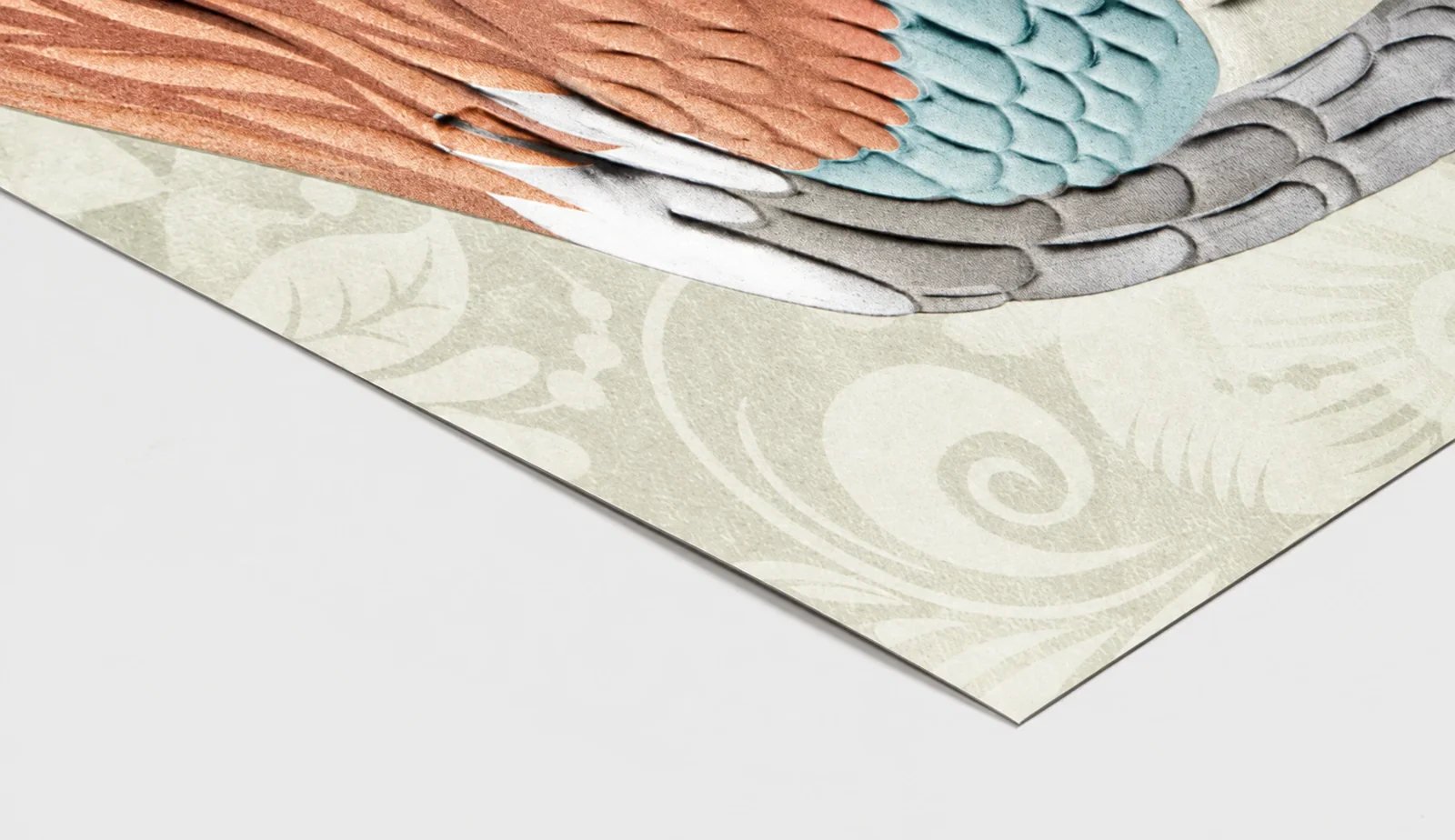
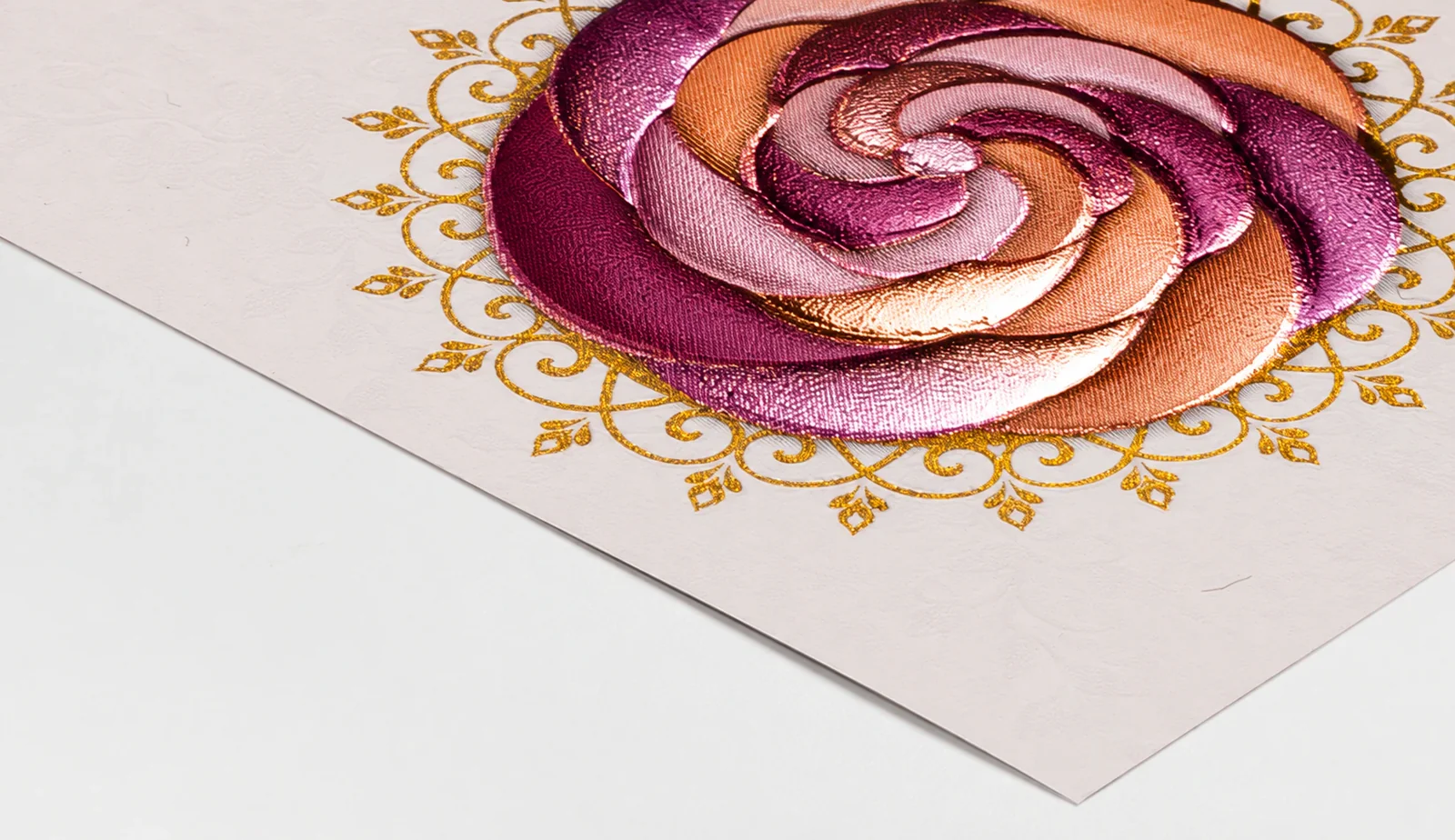
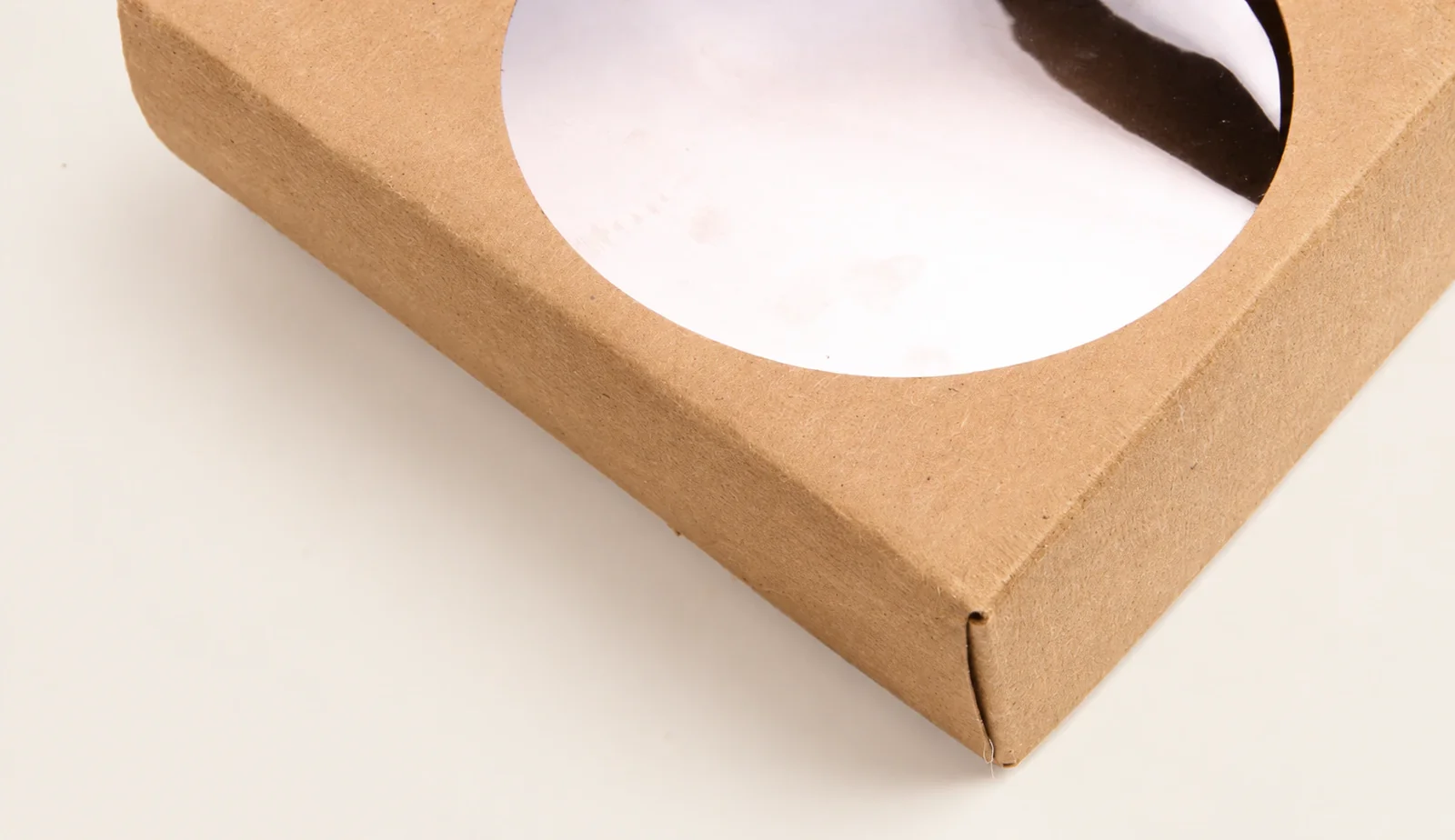
Packaging design
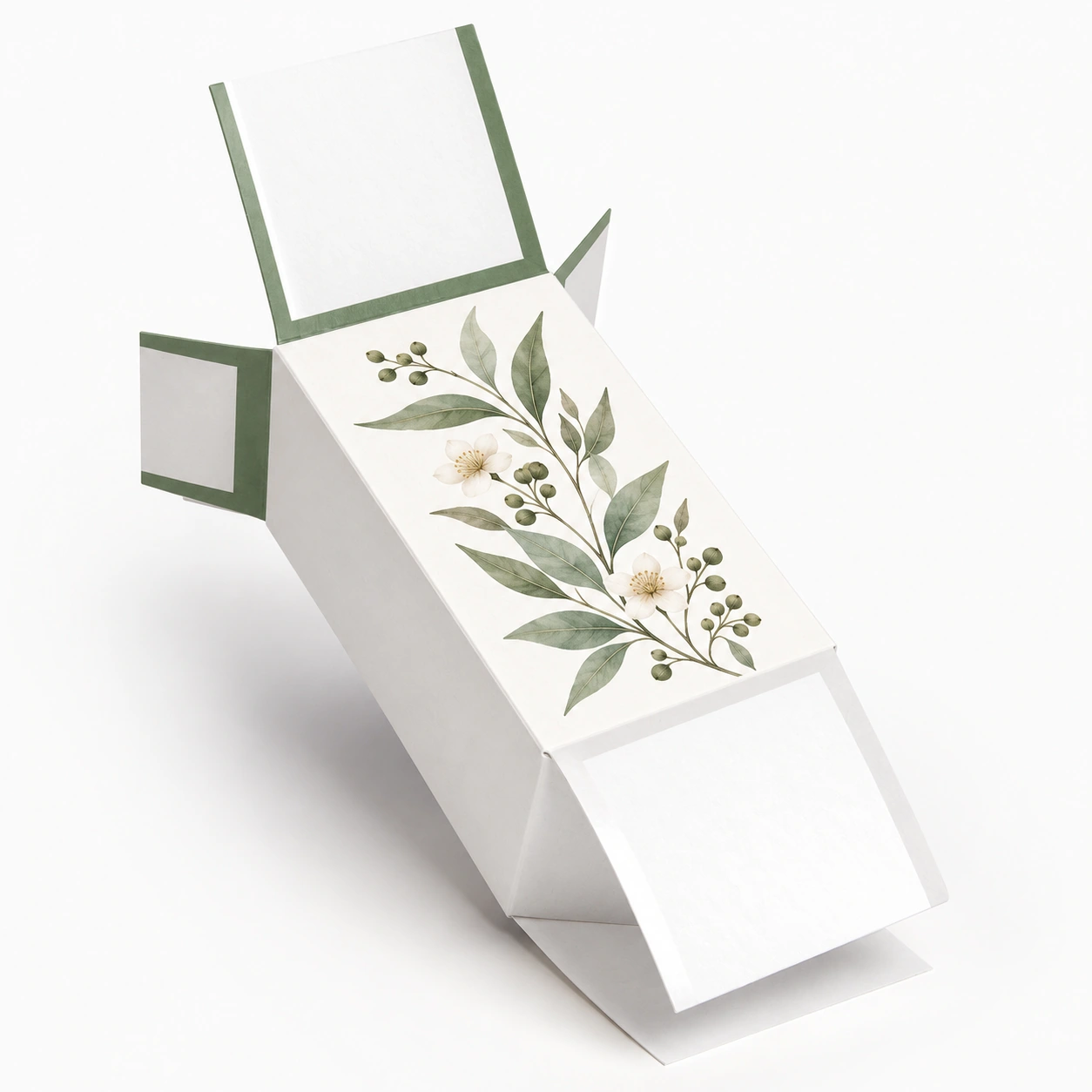
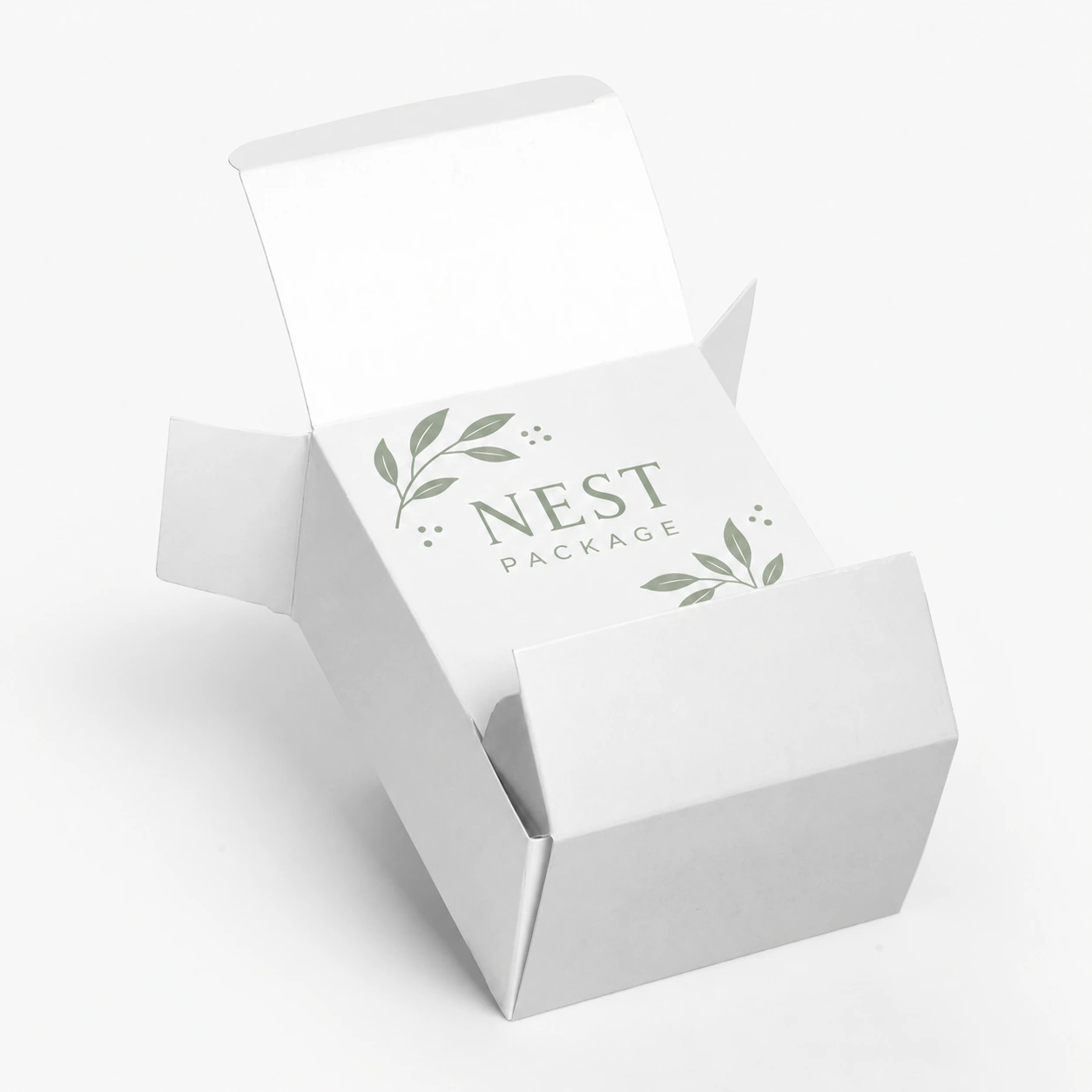
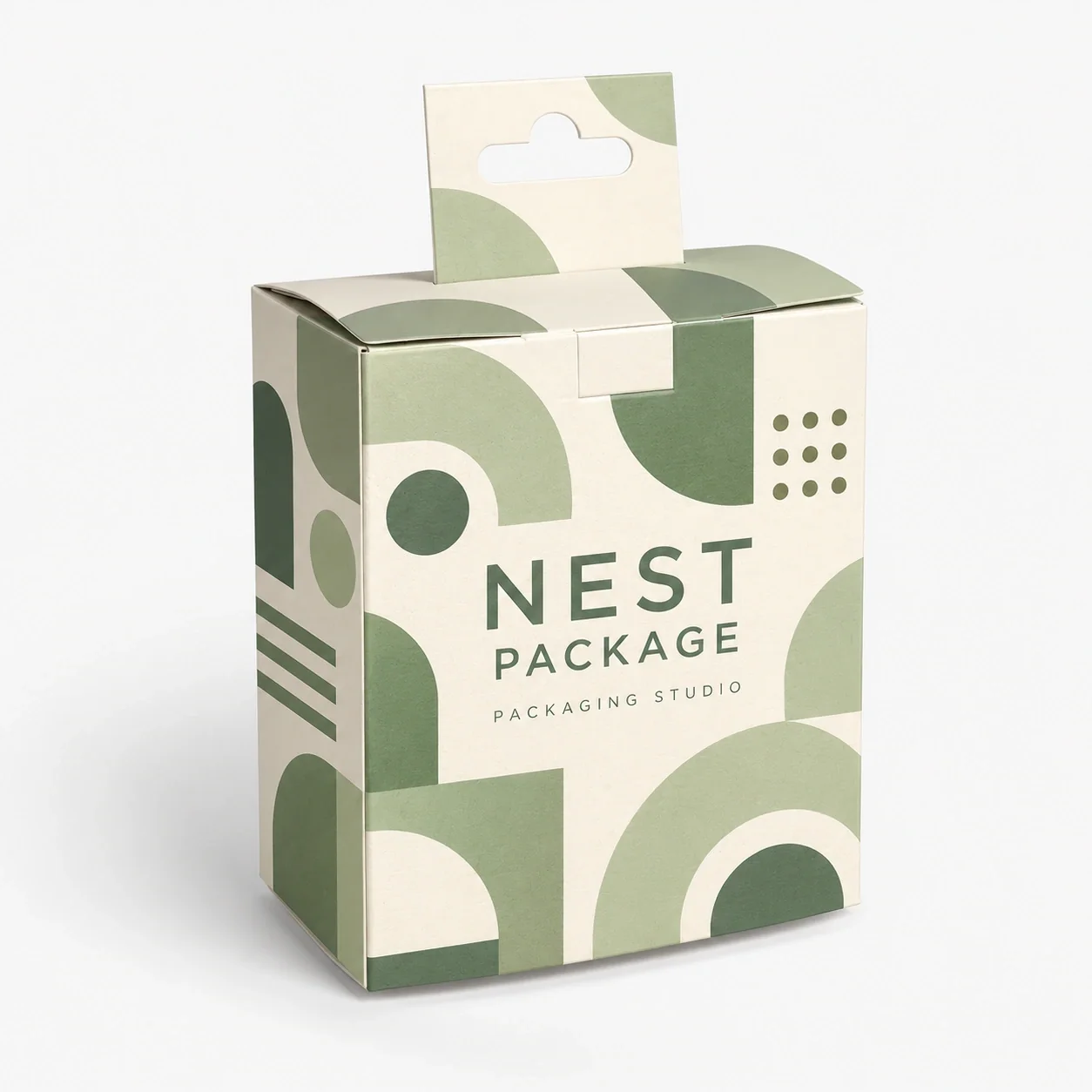
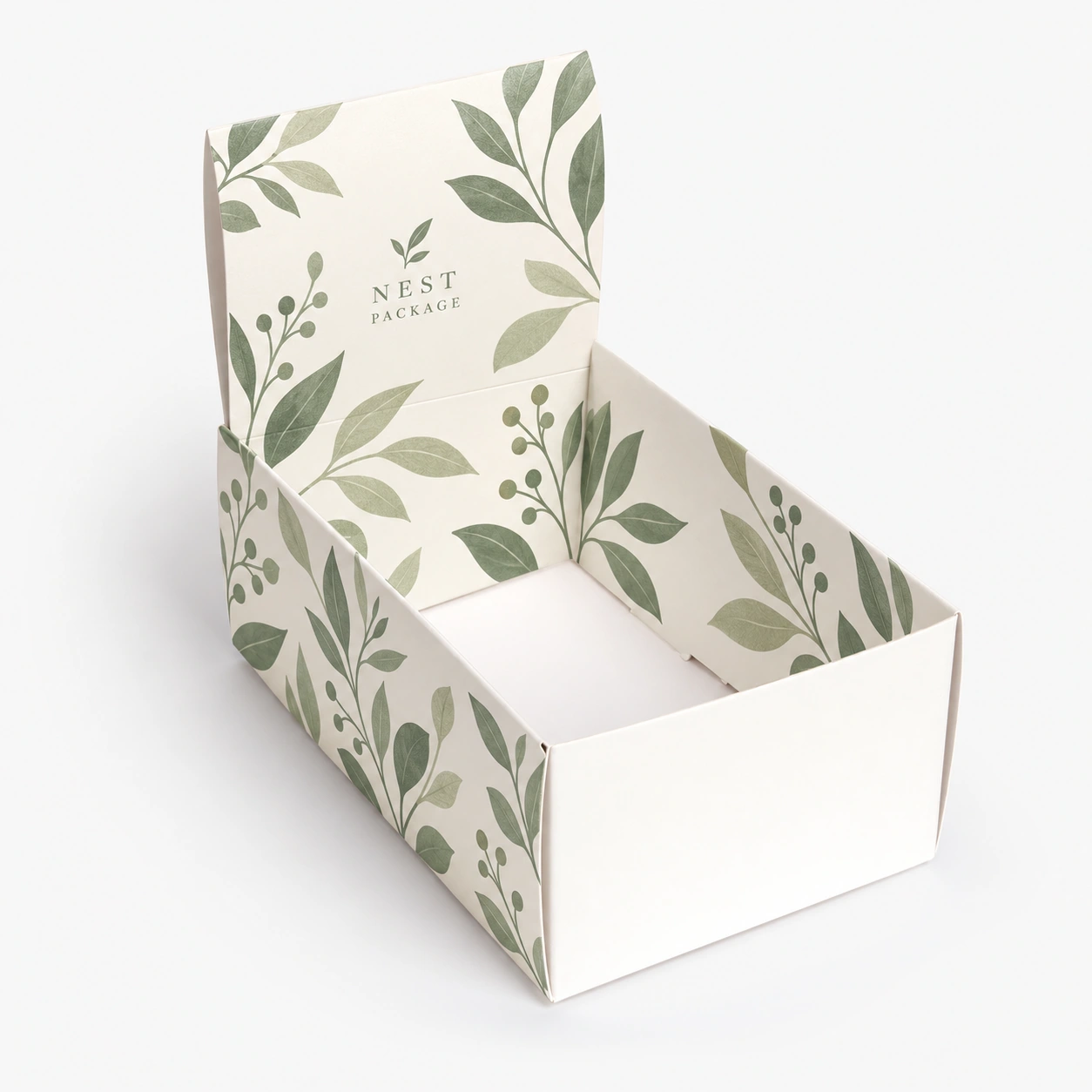
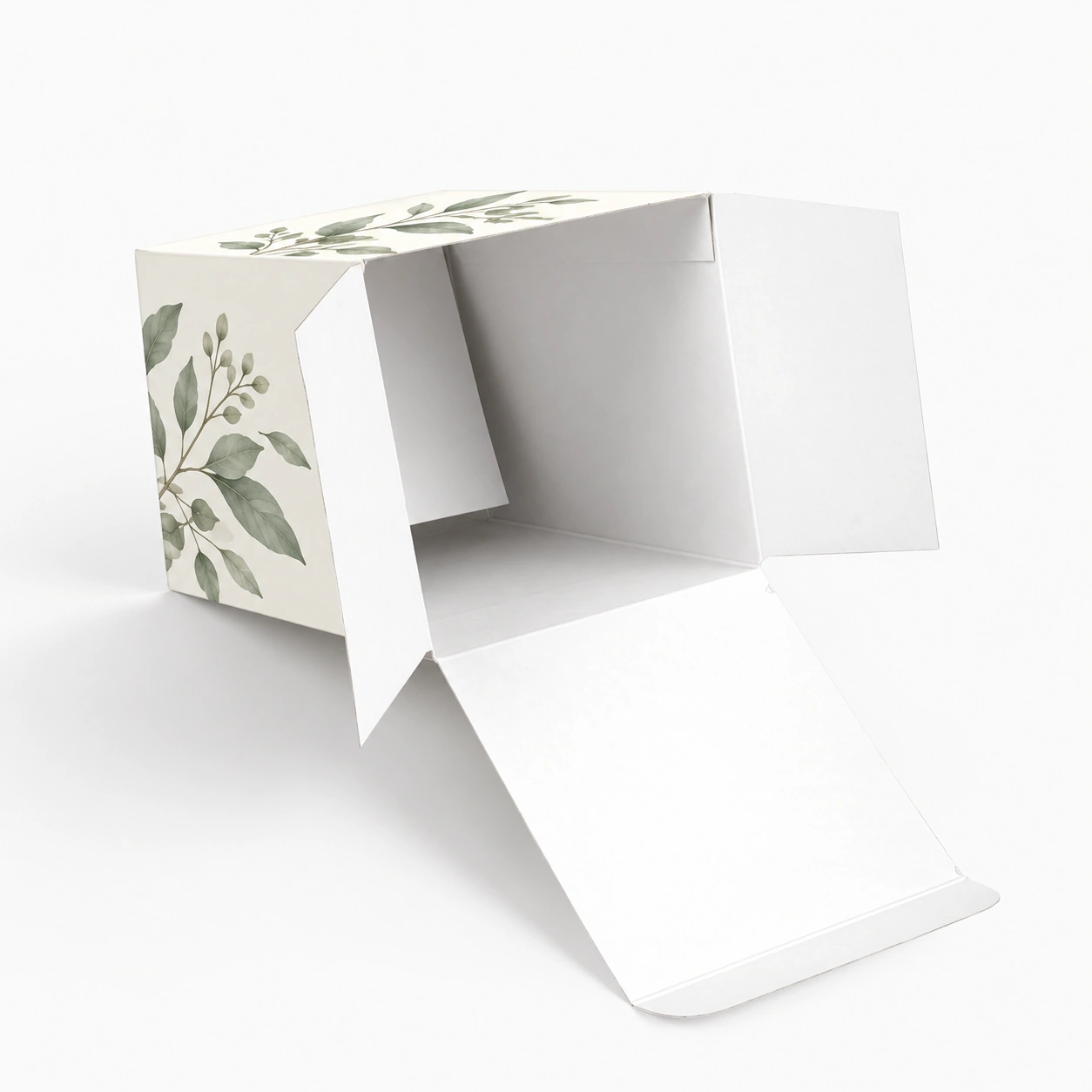
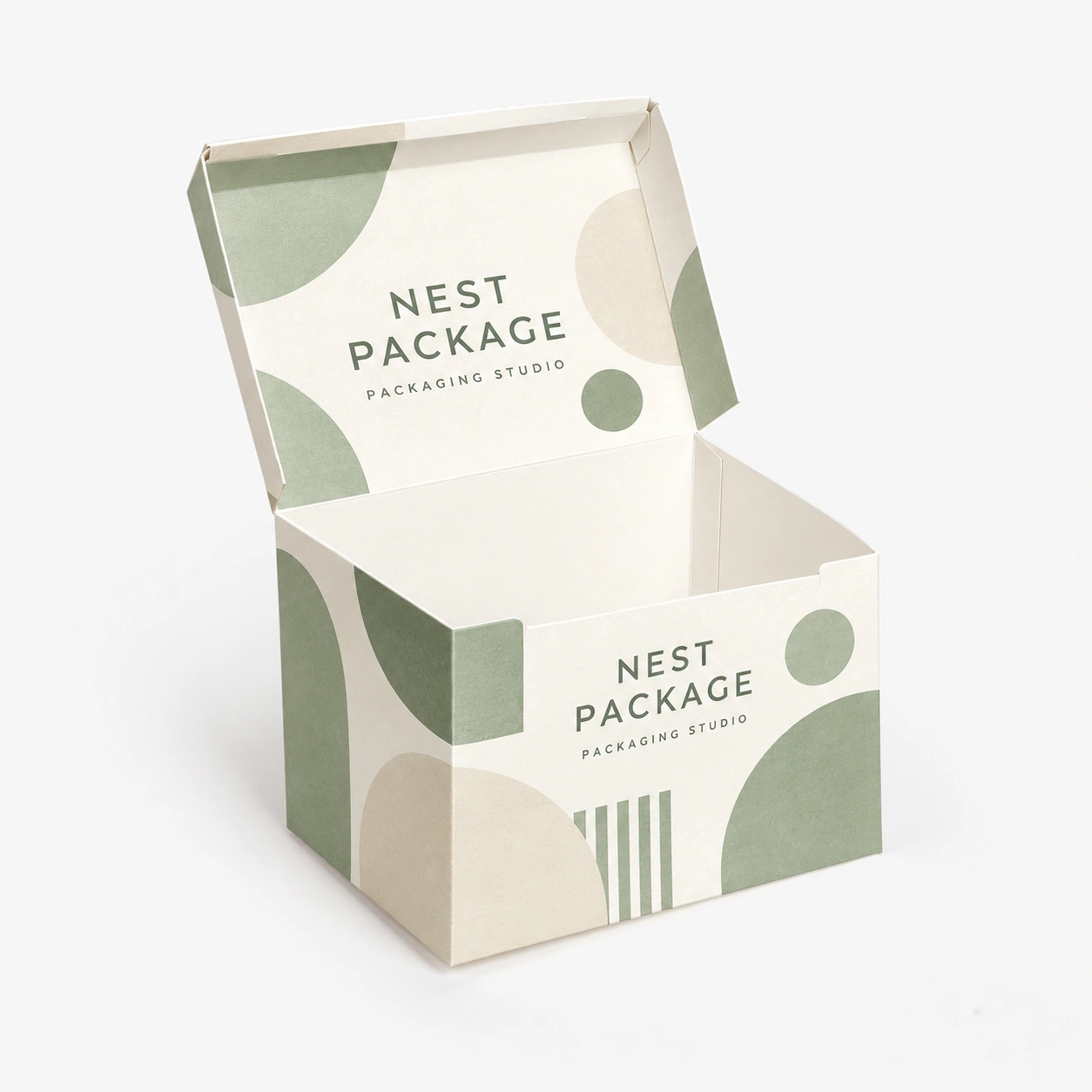
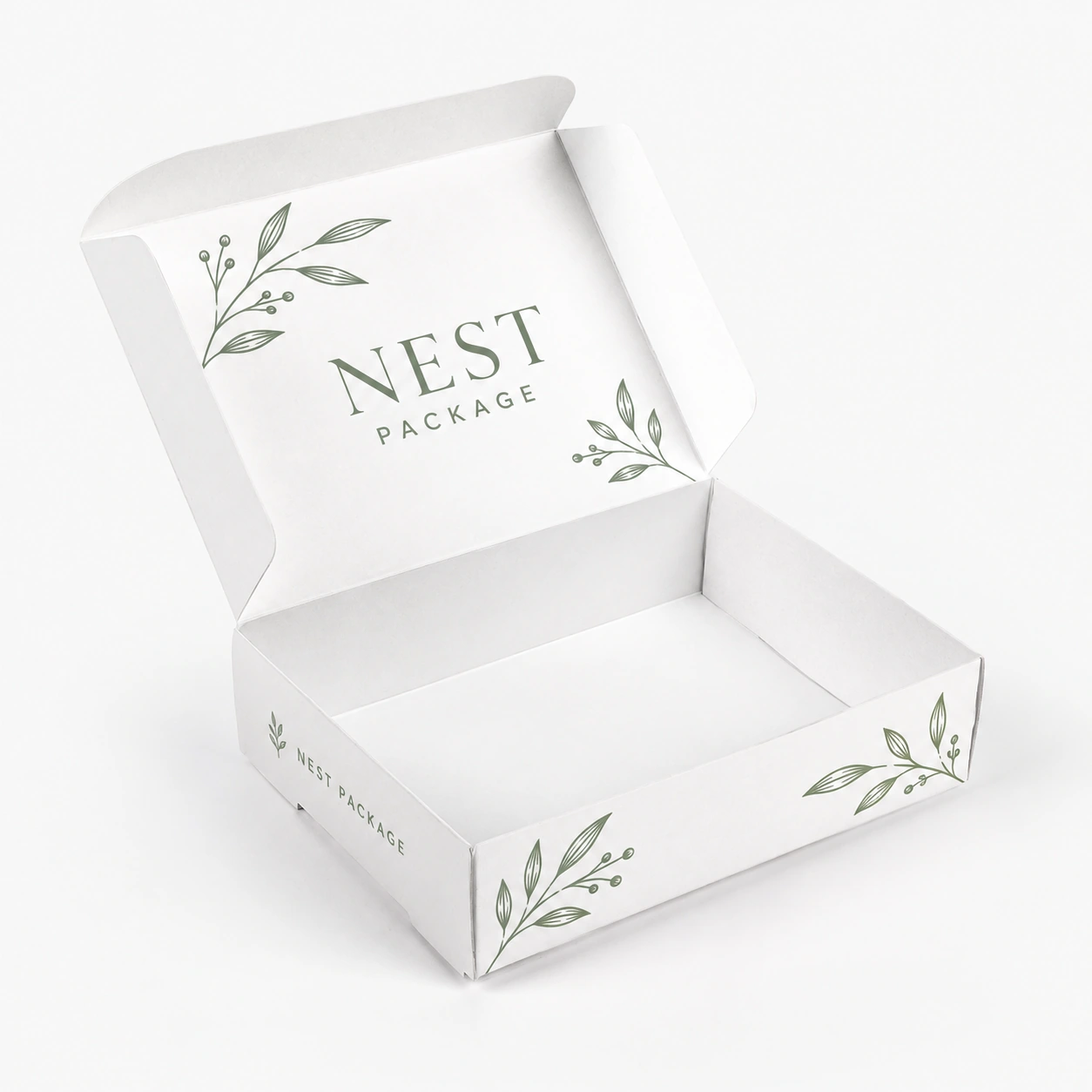
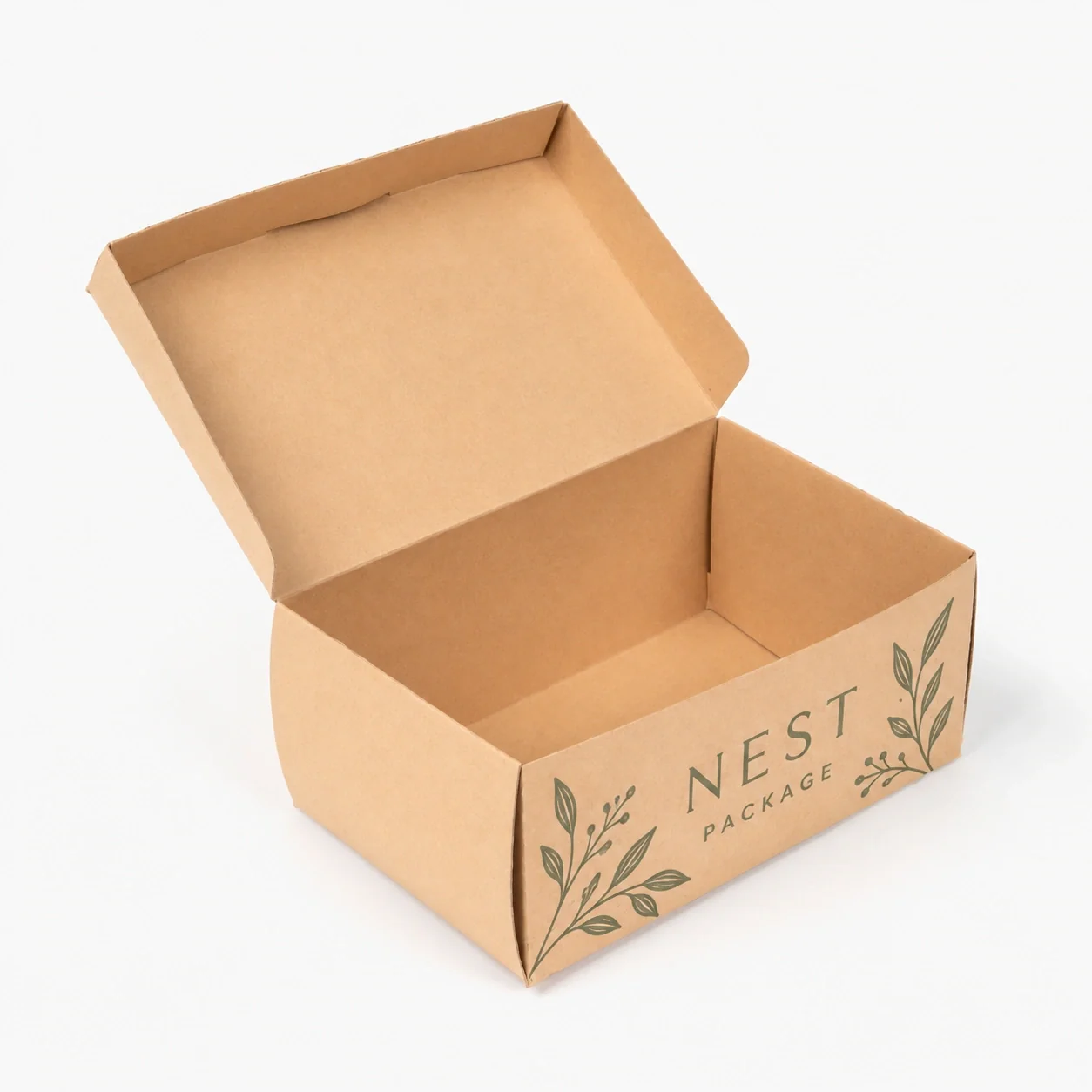
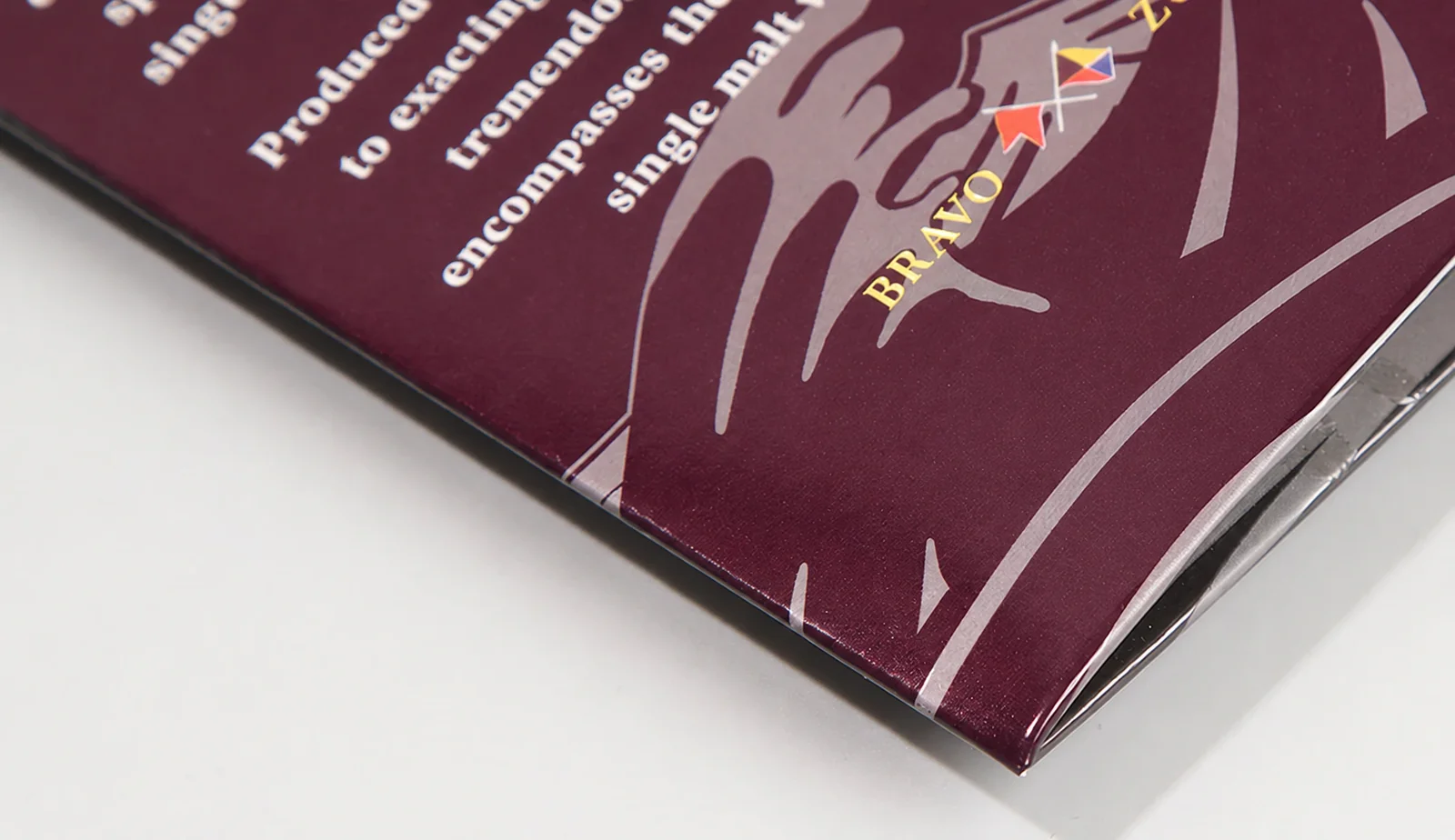
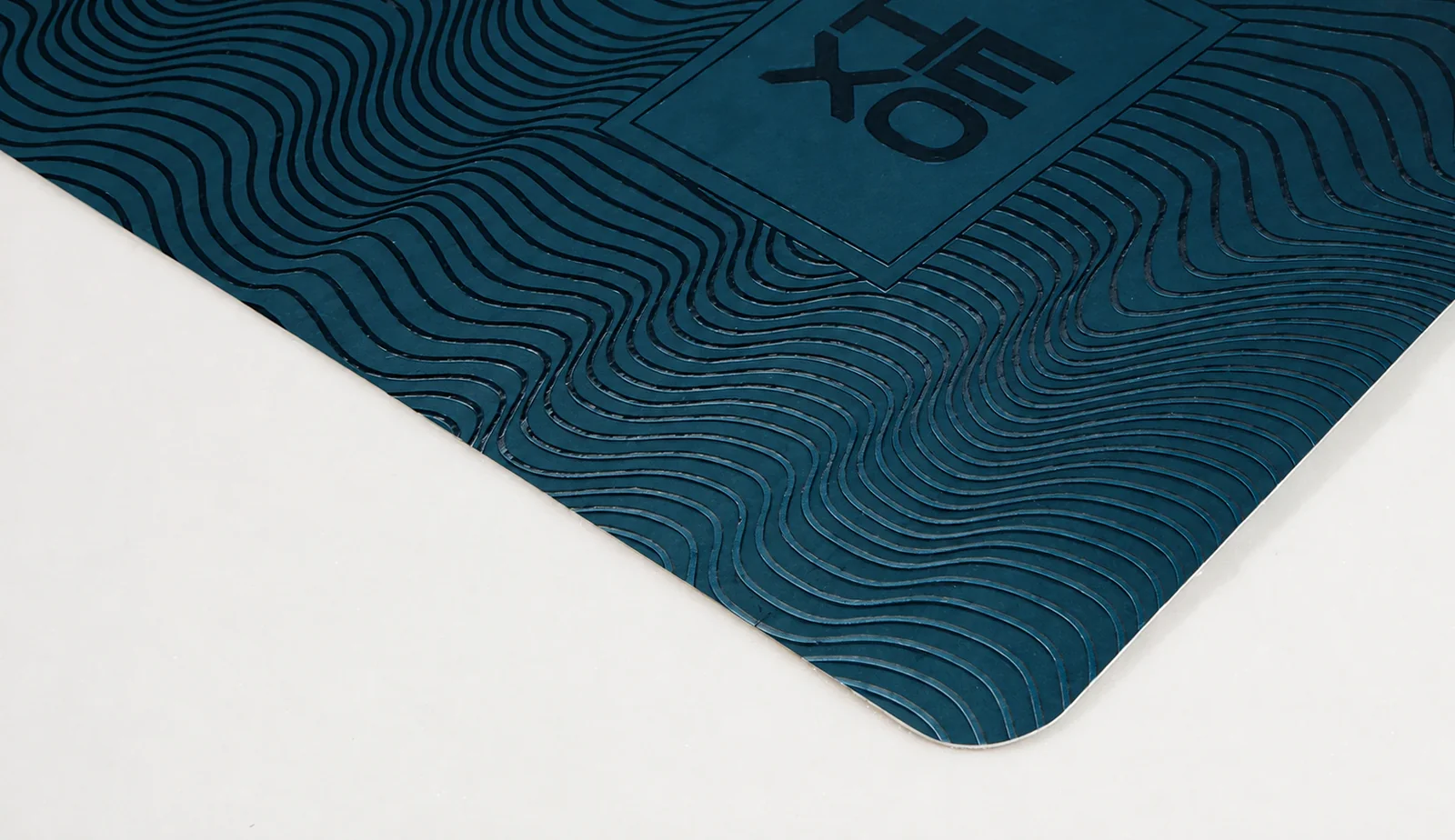
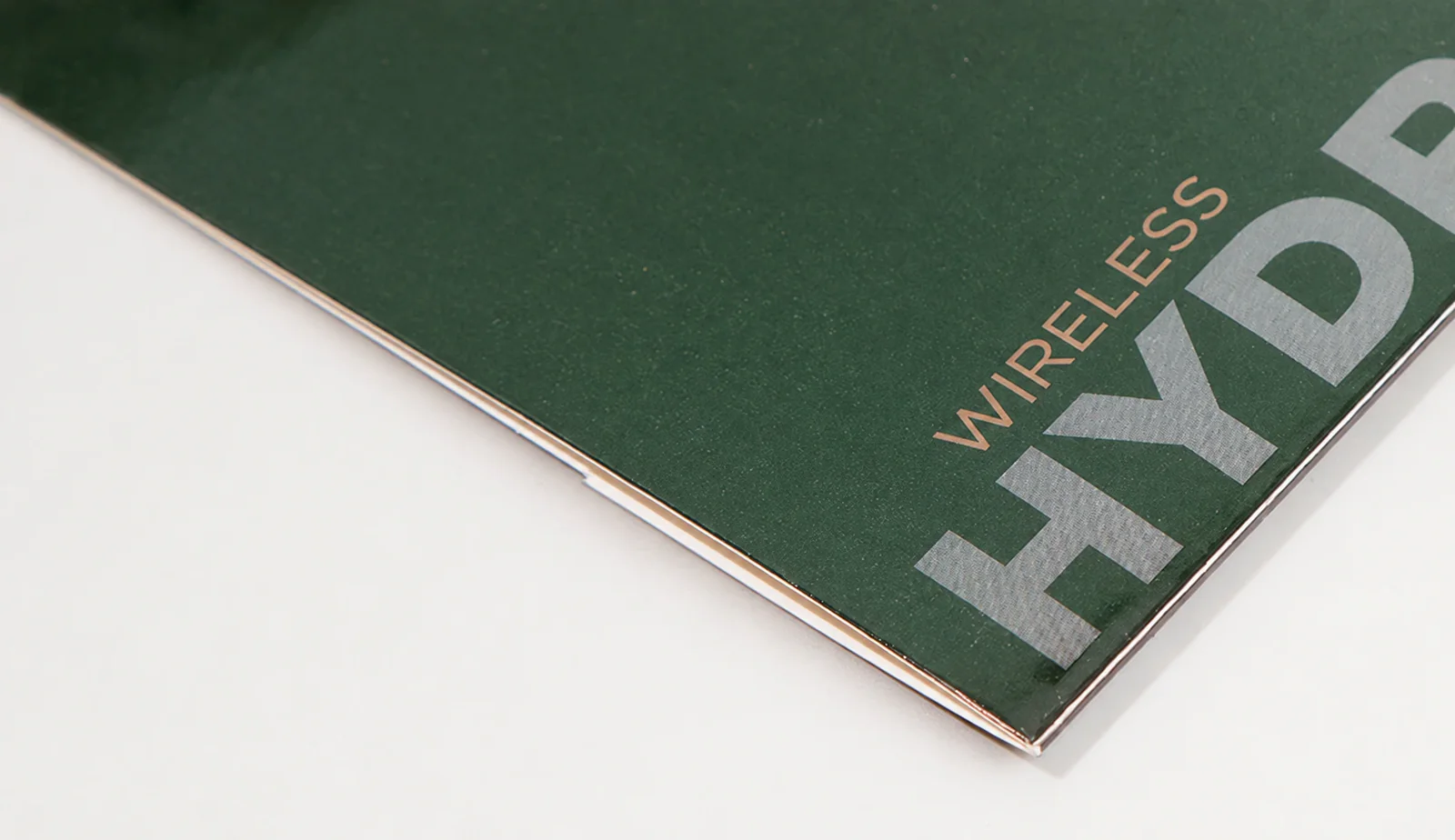
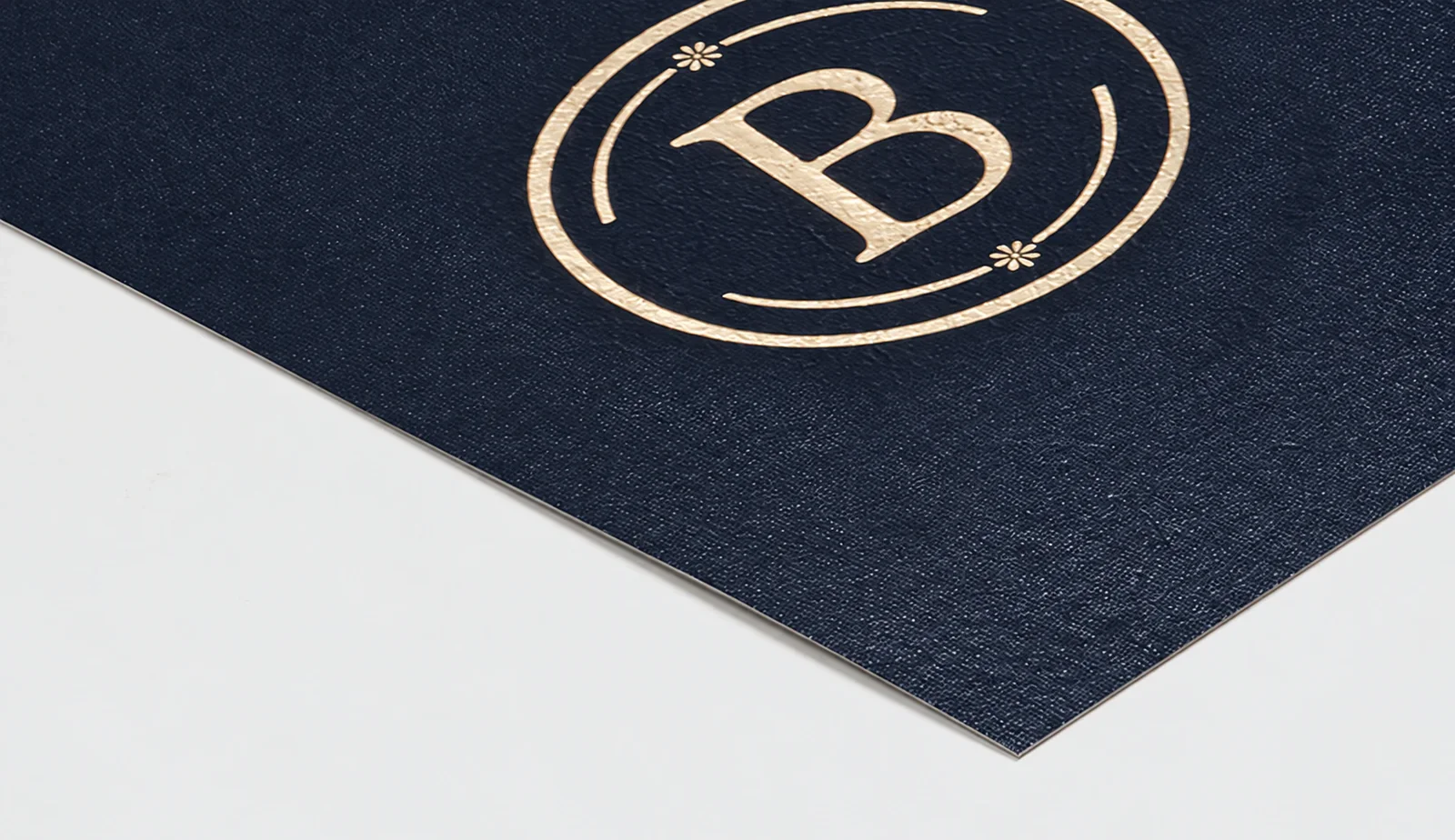
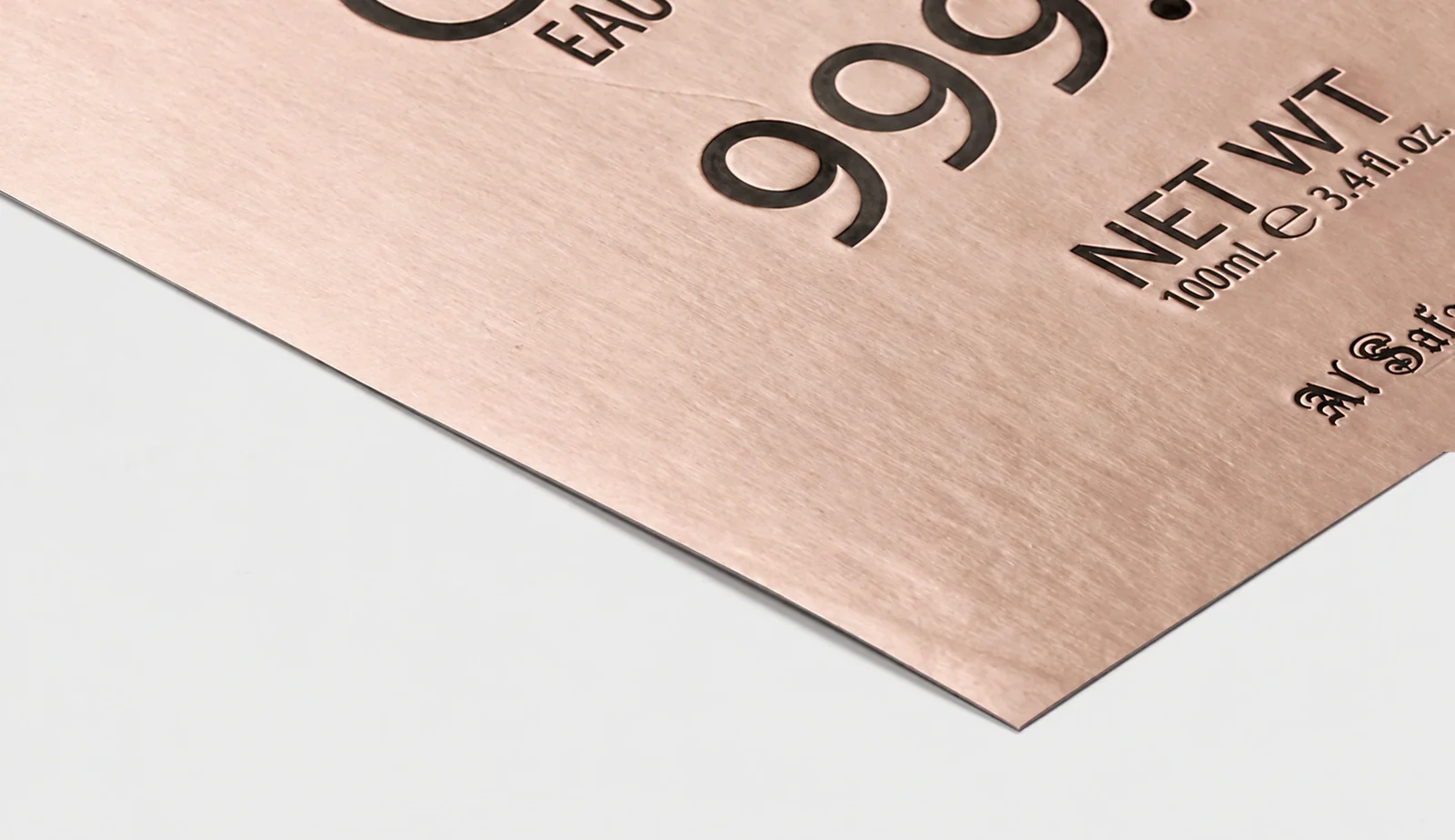
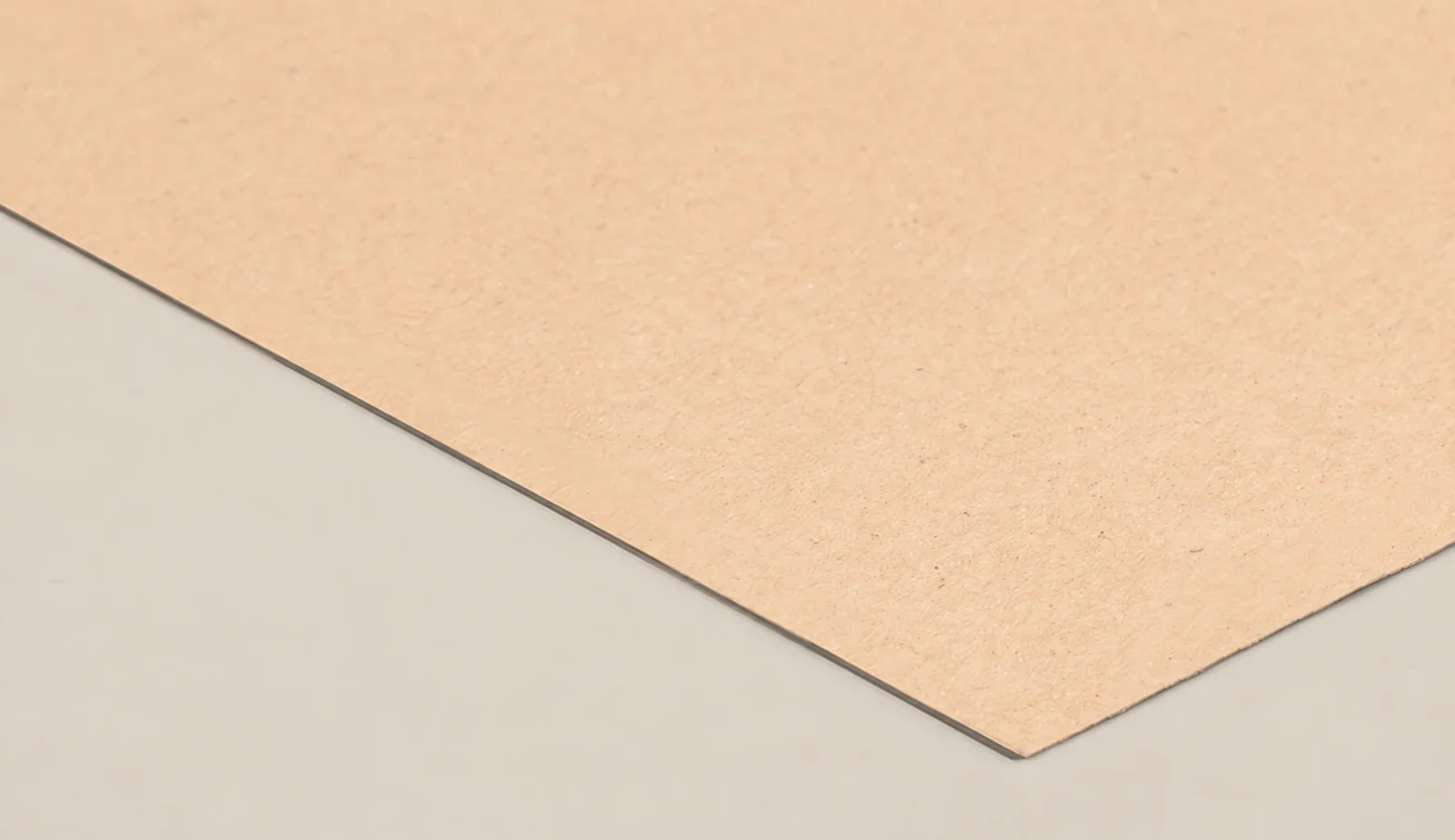
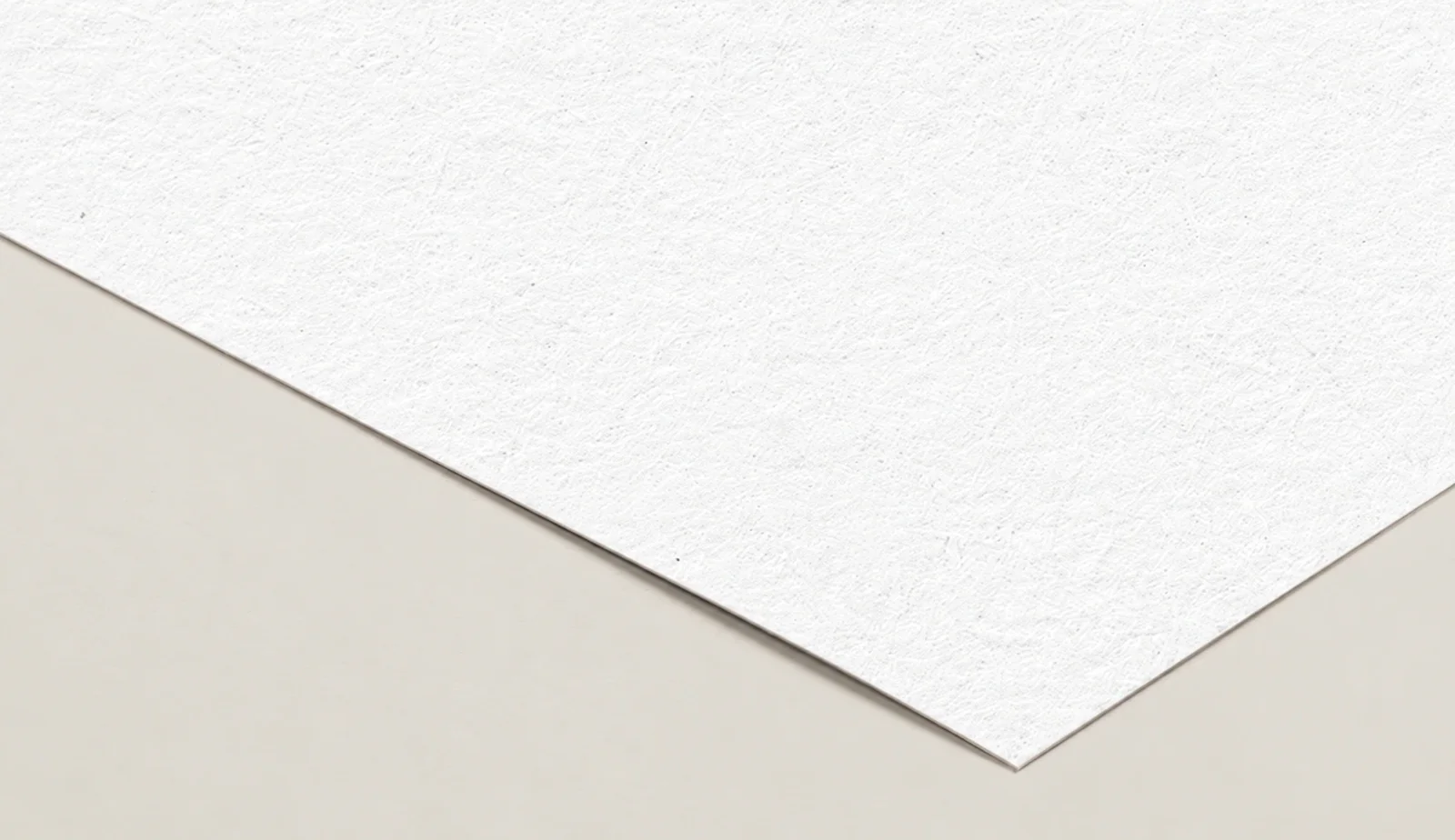
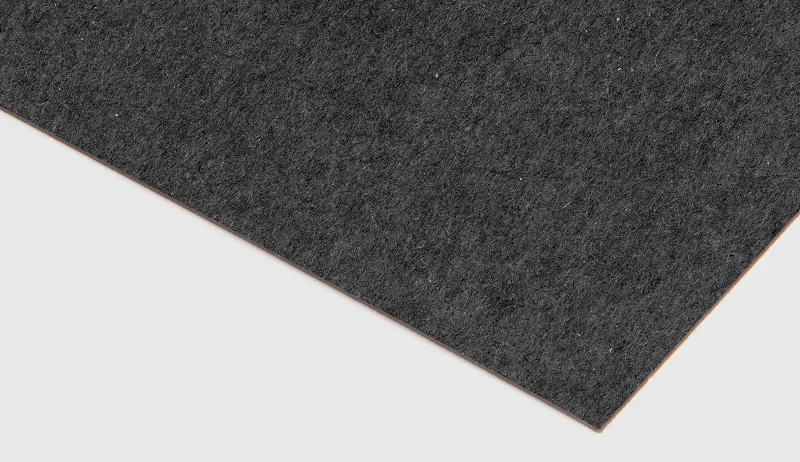
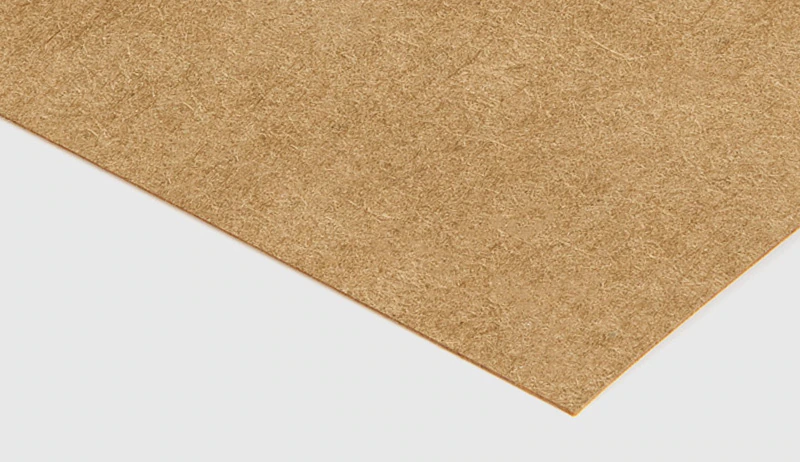
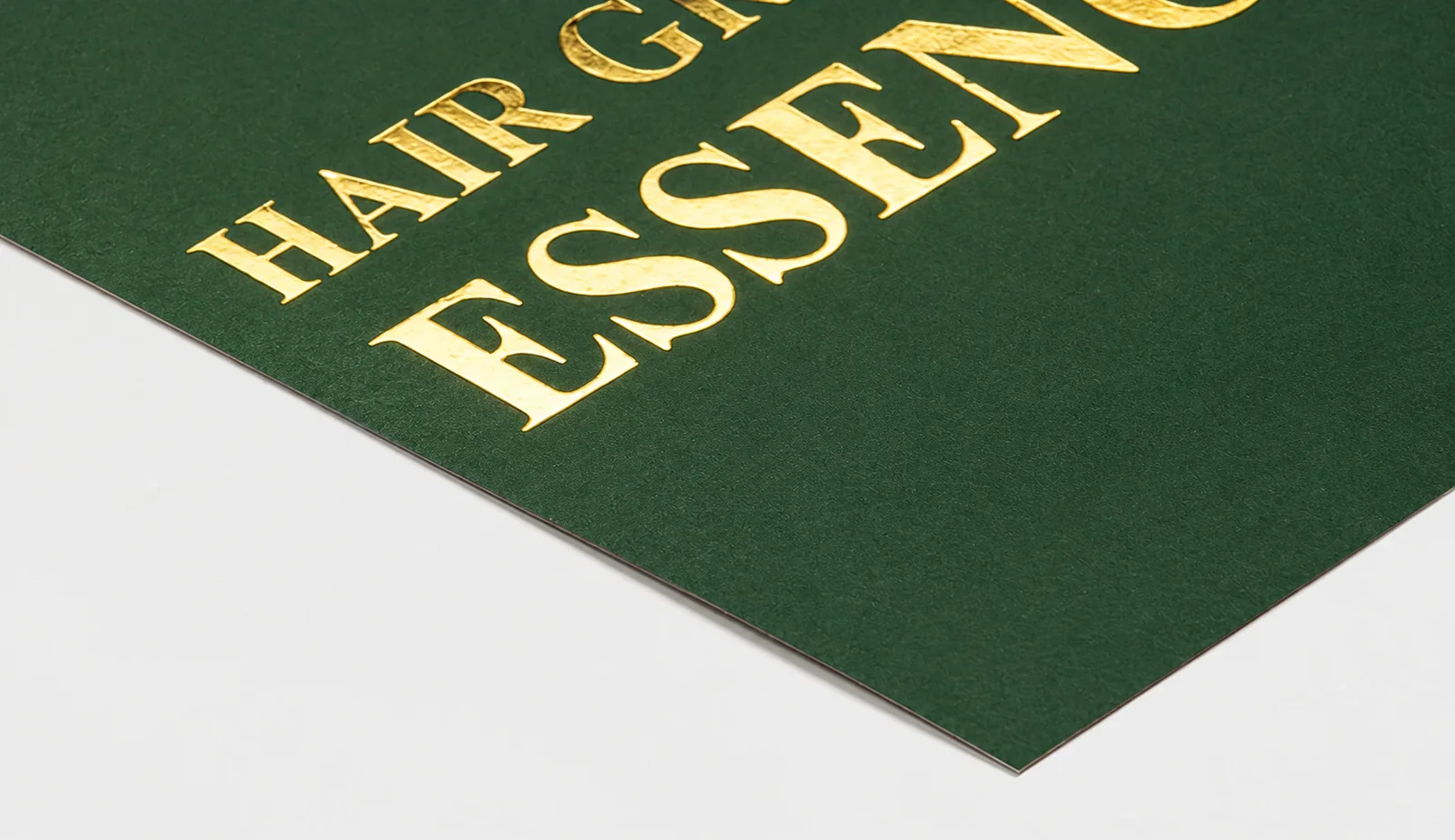
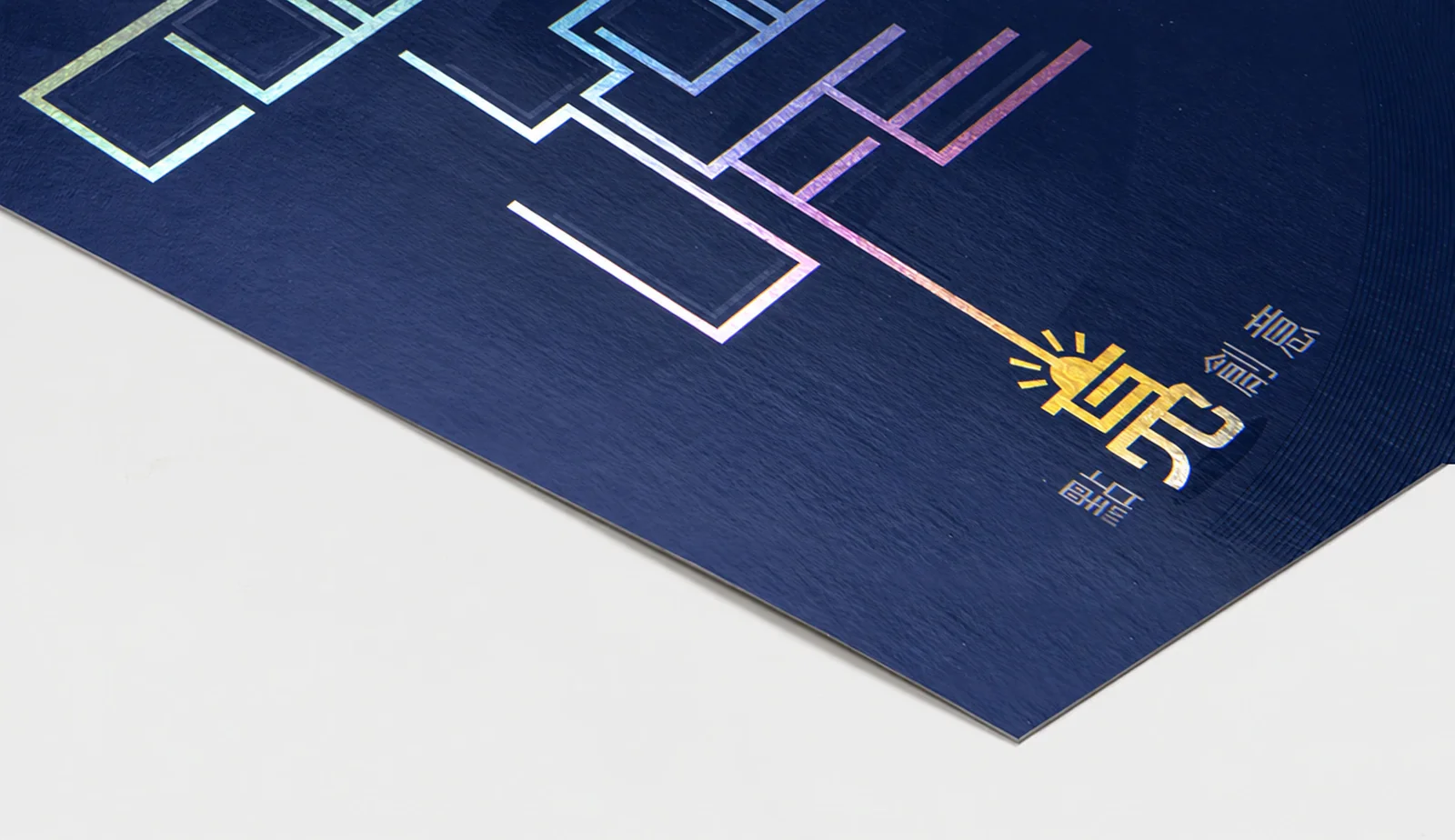
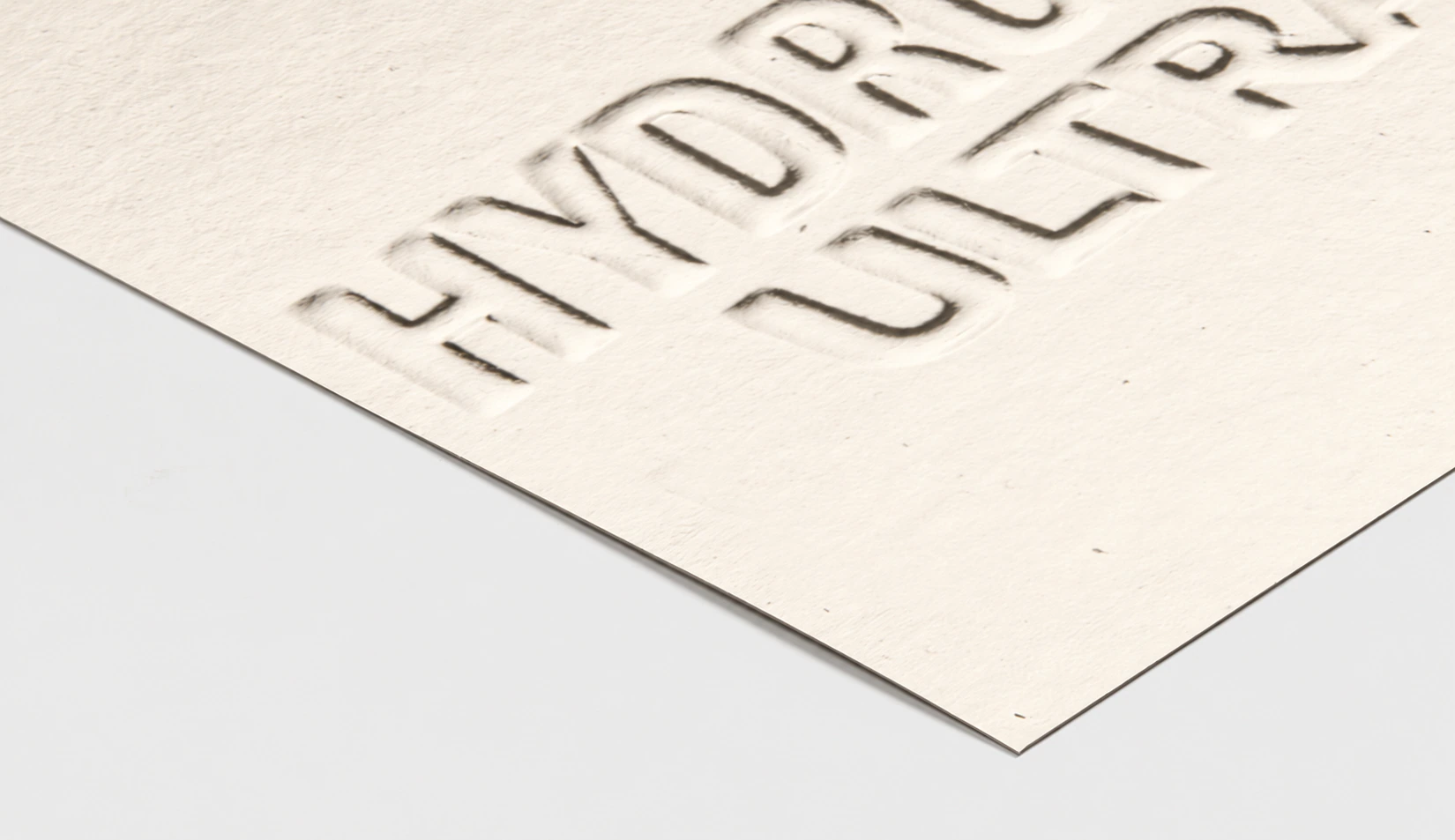
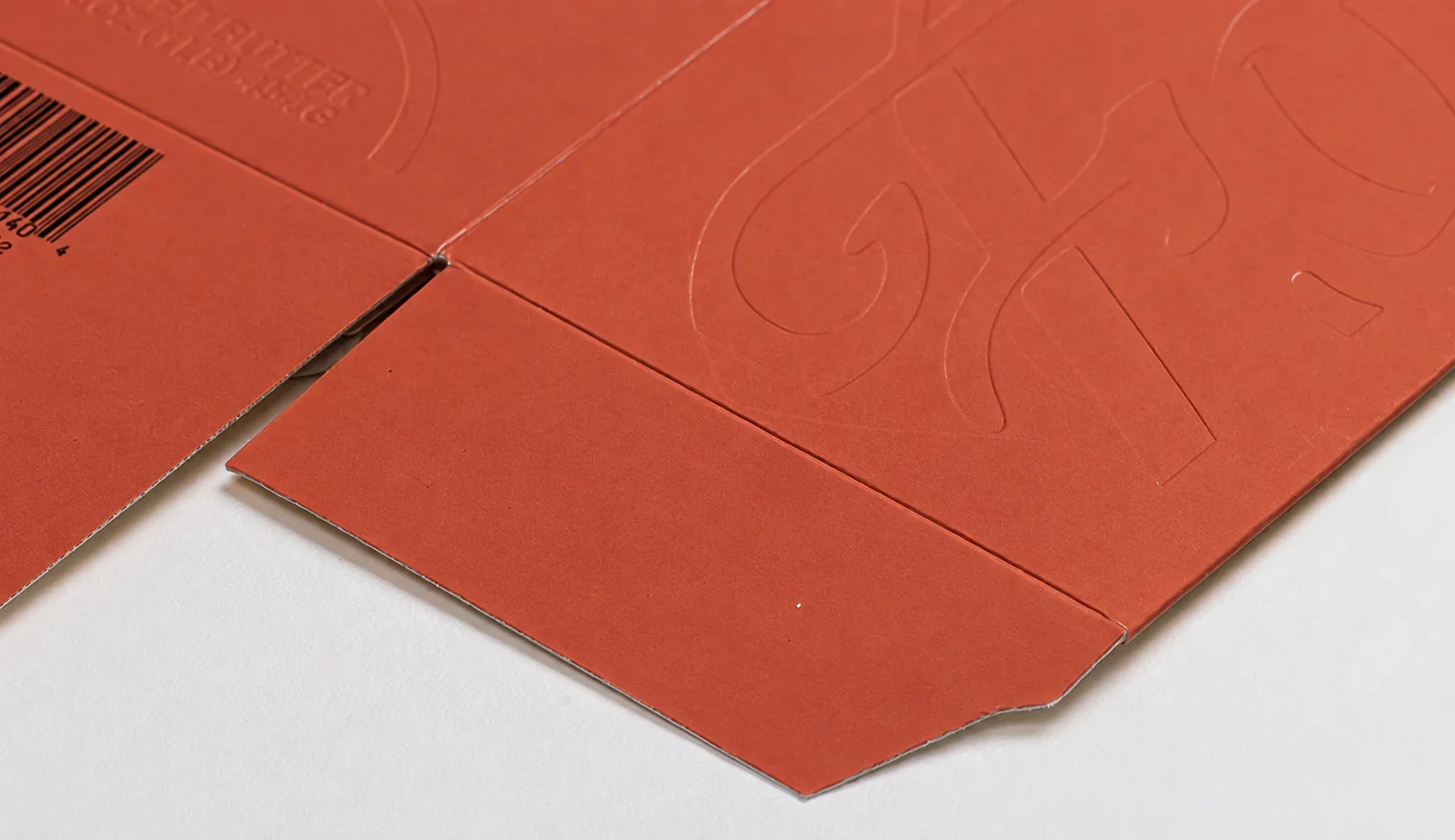
Shape the structure around your product, then review the artwork, opening experience and material choices.
Explore designCompare these formats against your project brief, including product weight, filling direction, board specification.
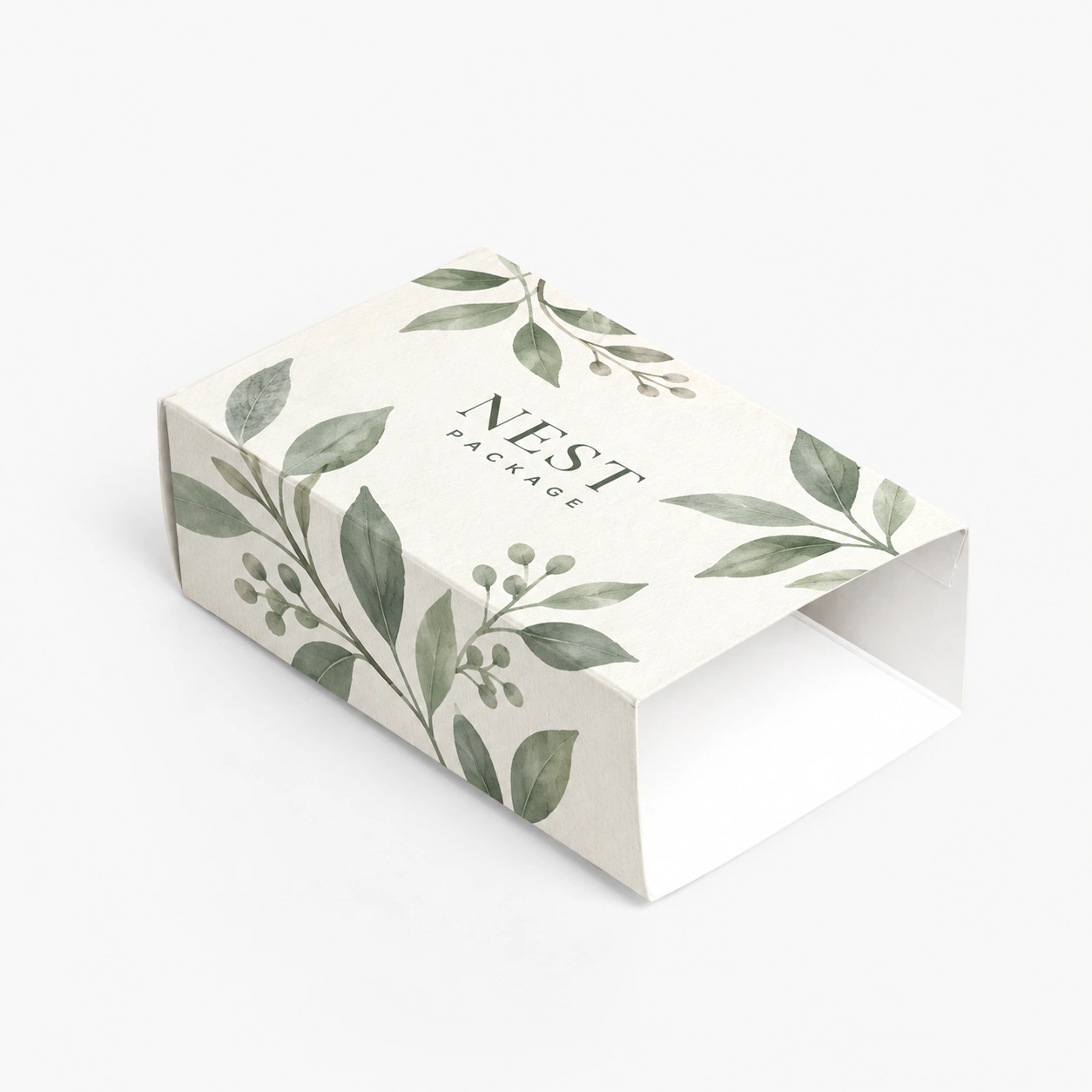
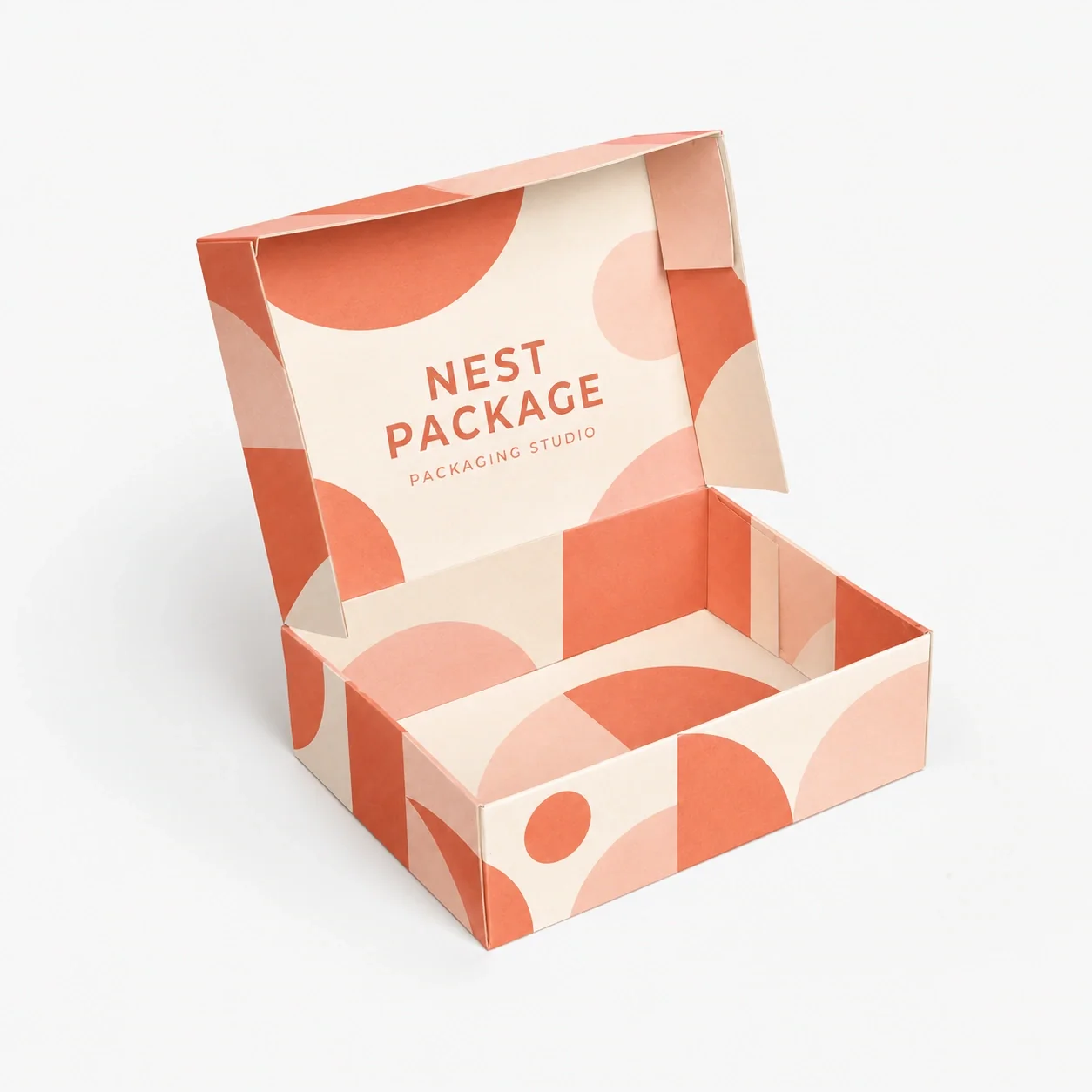
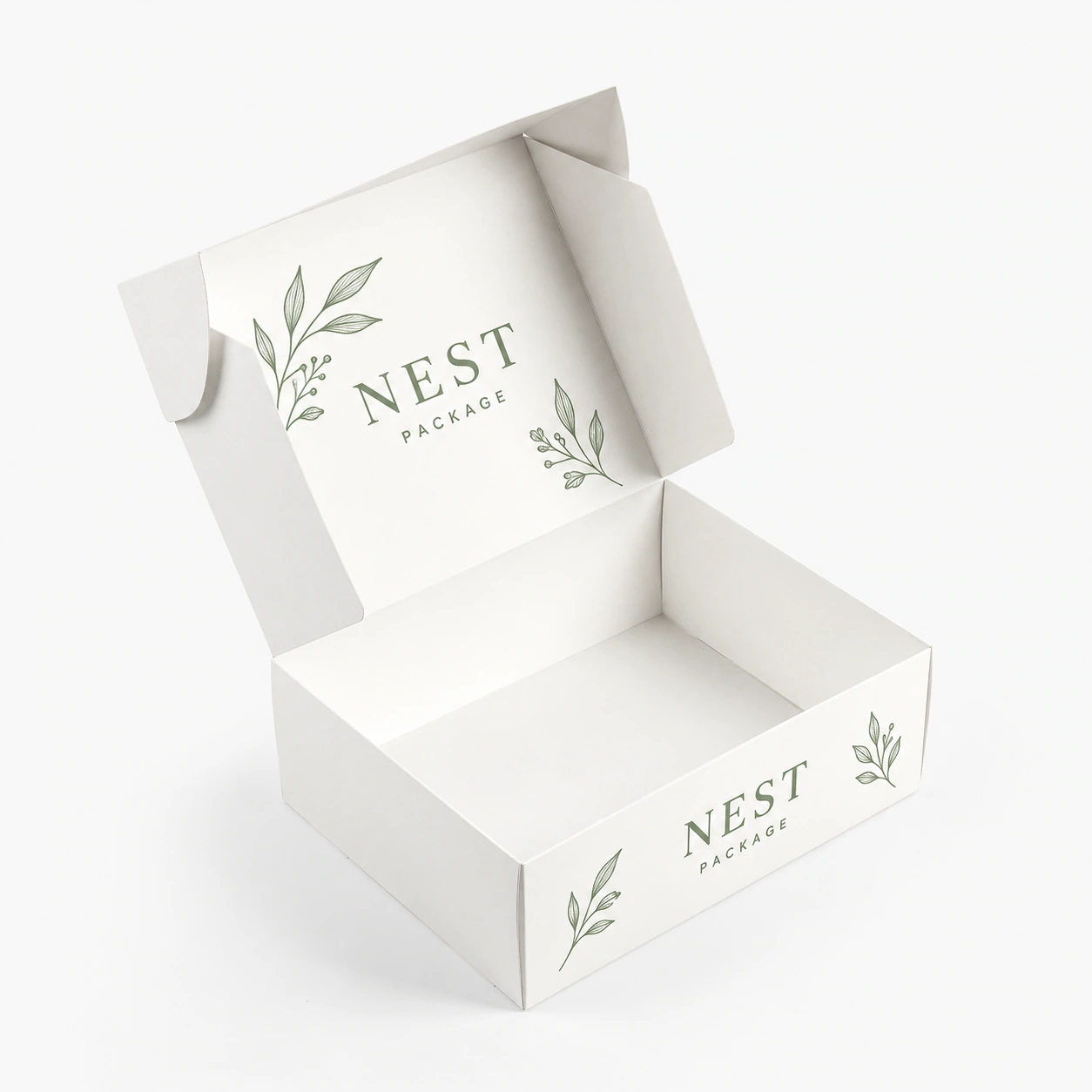
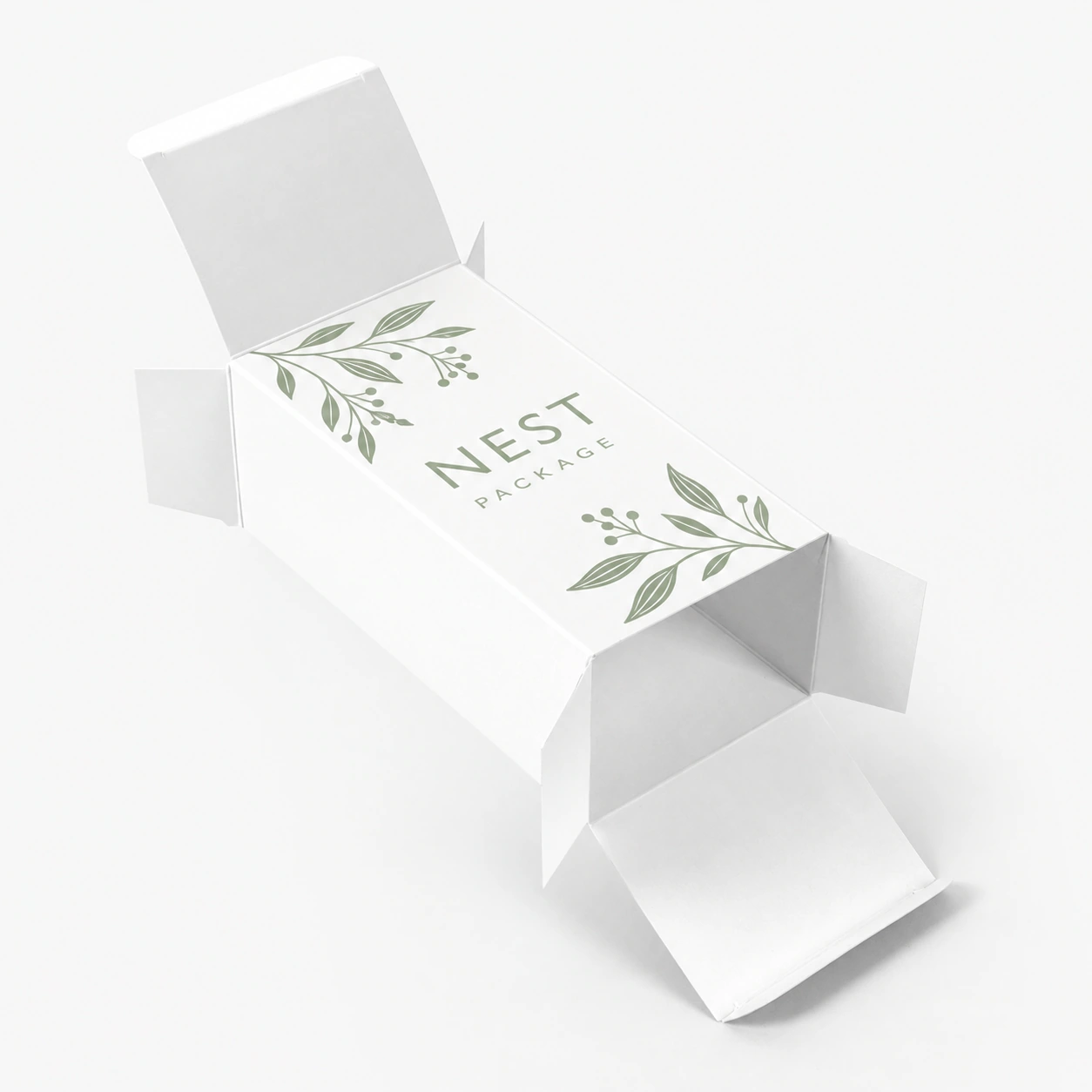
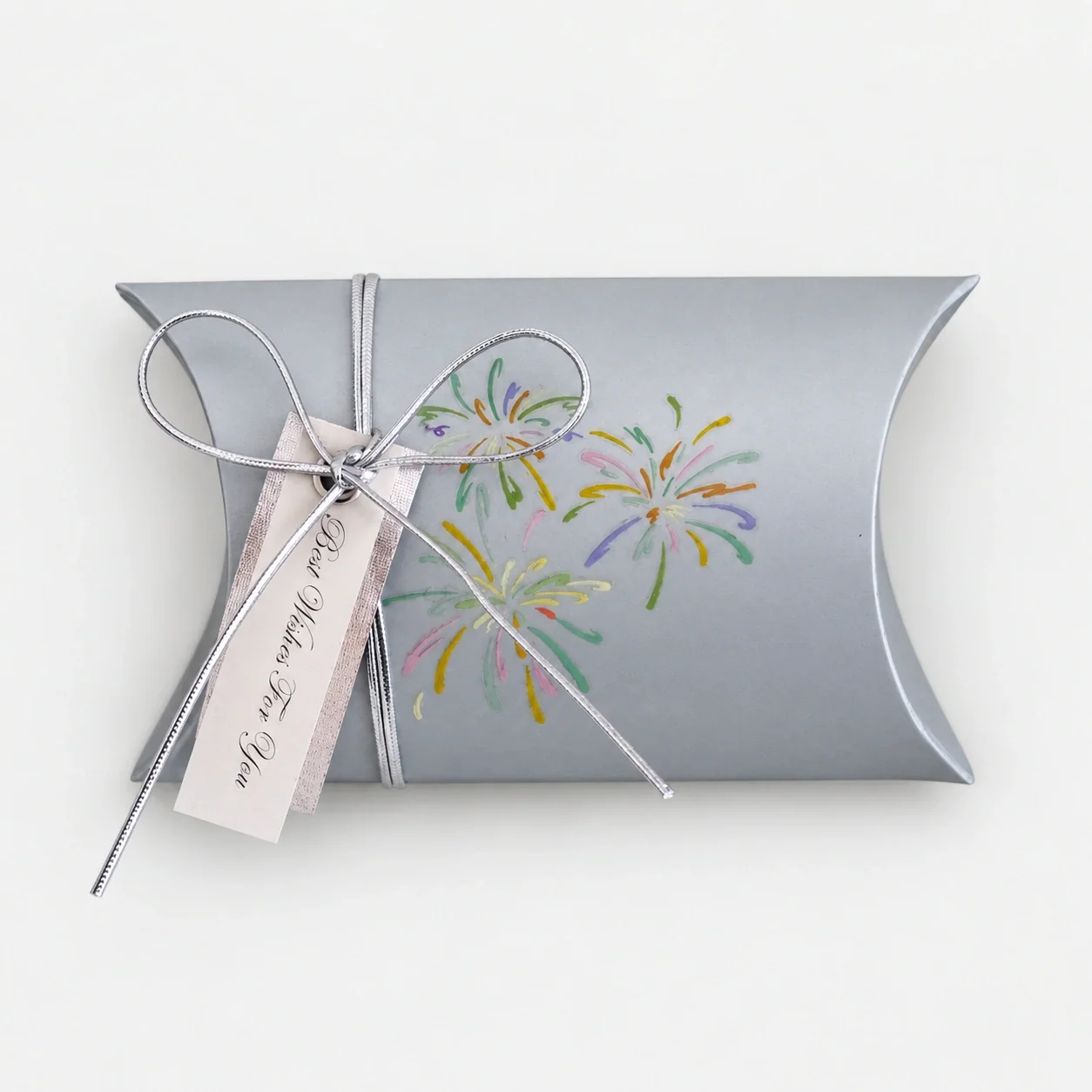
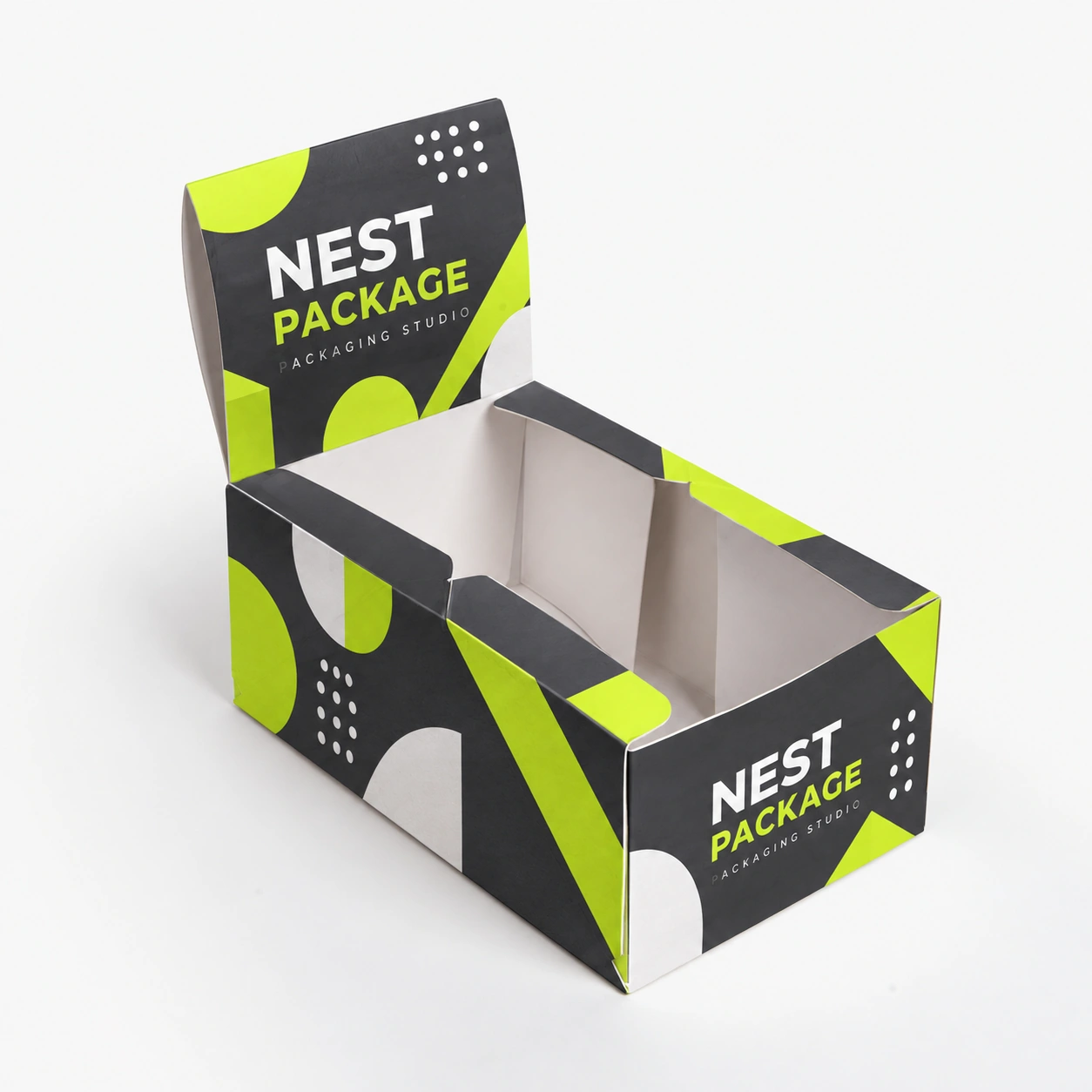
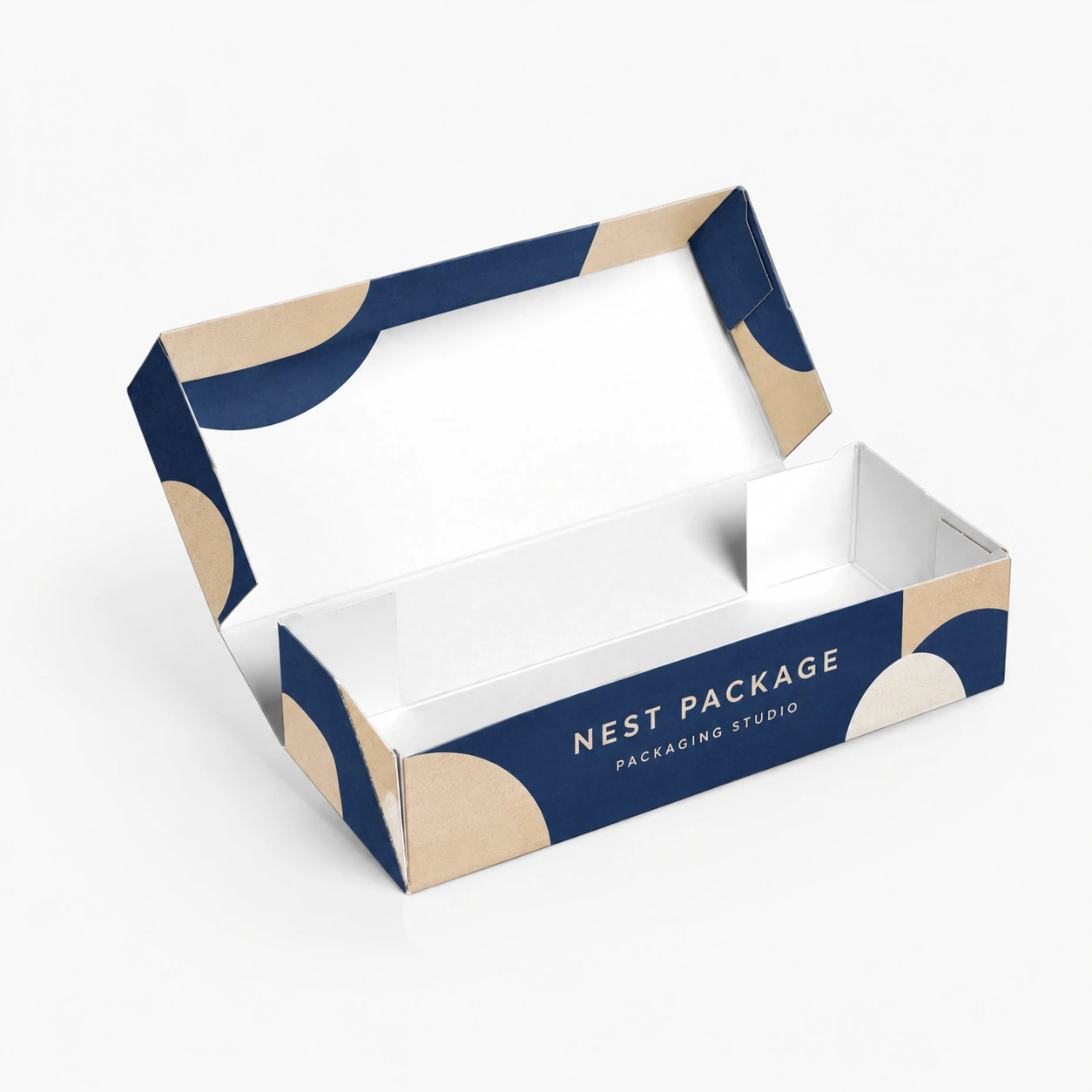
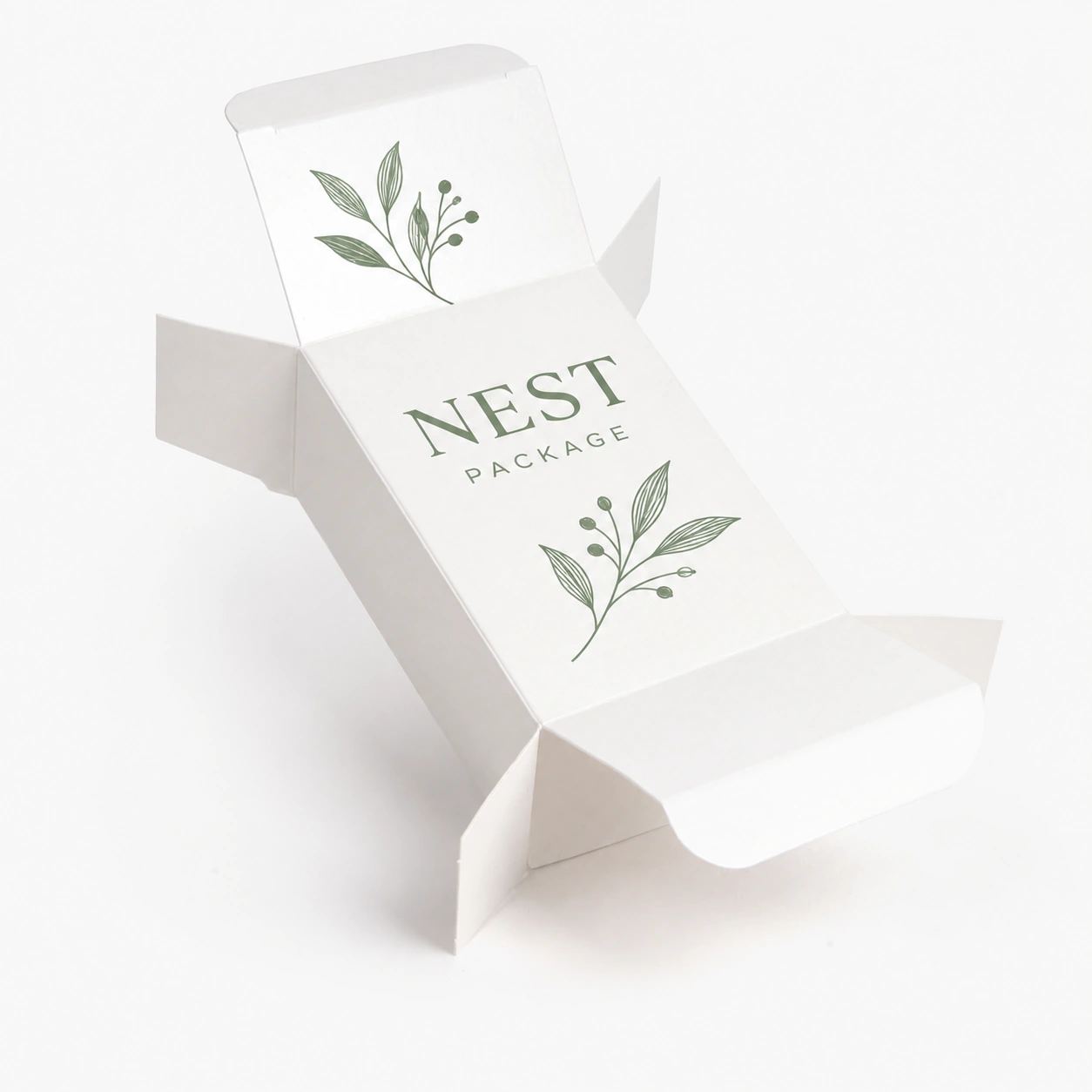
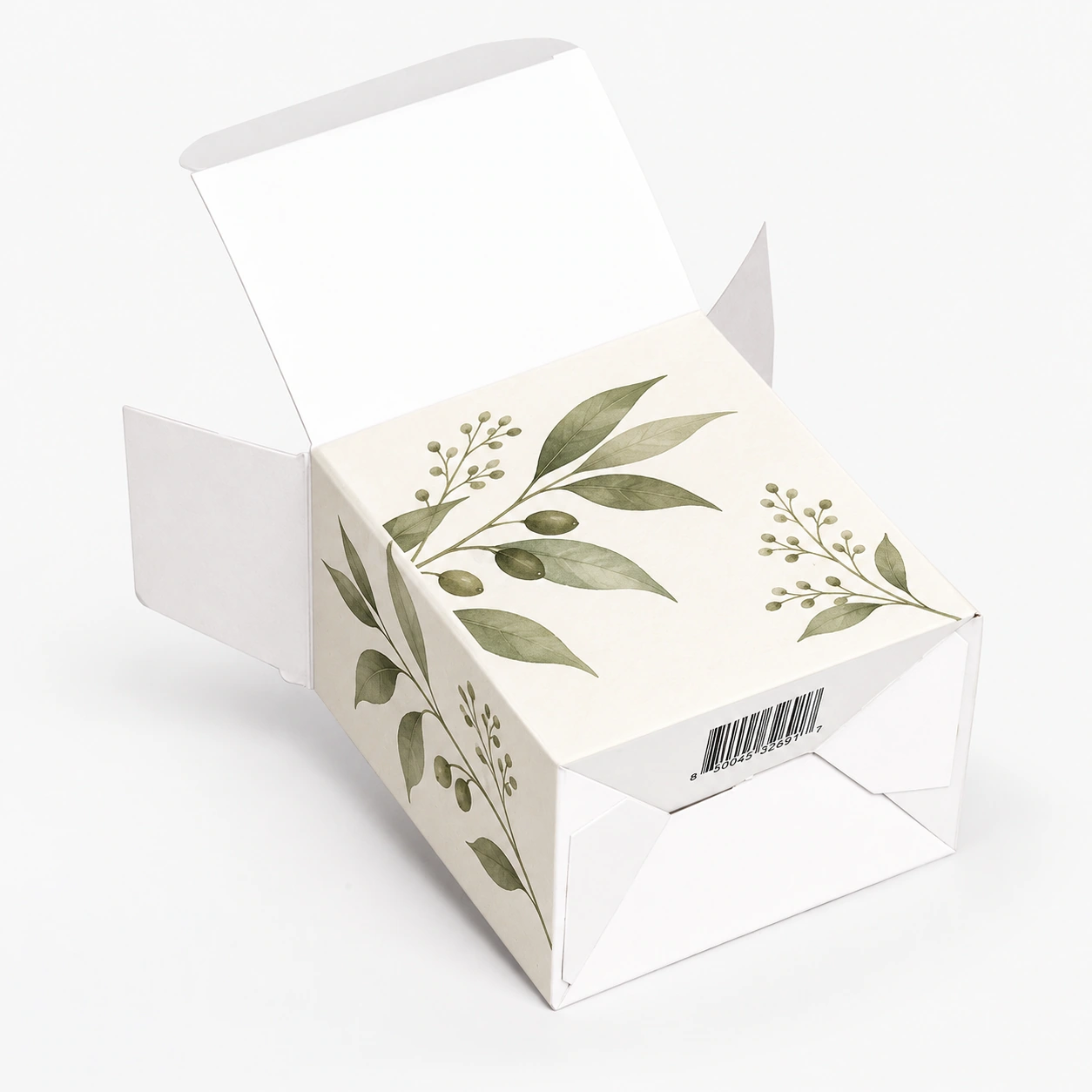
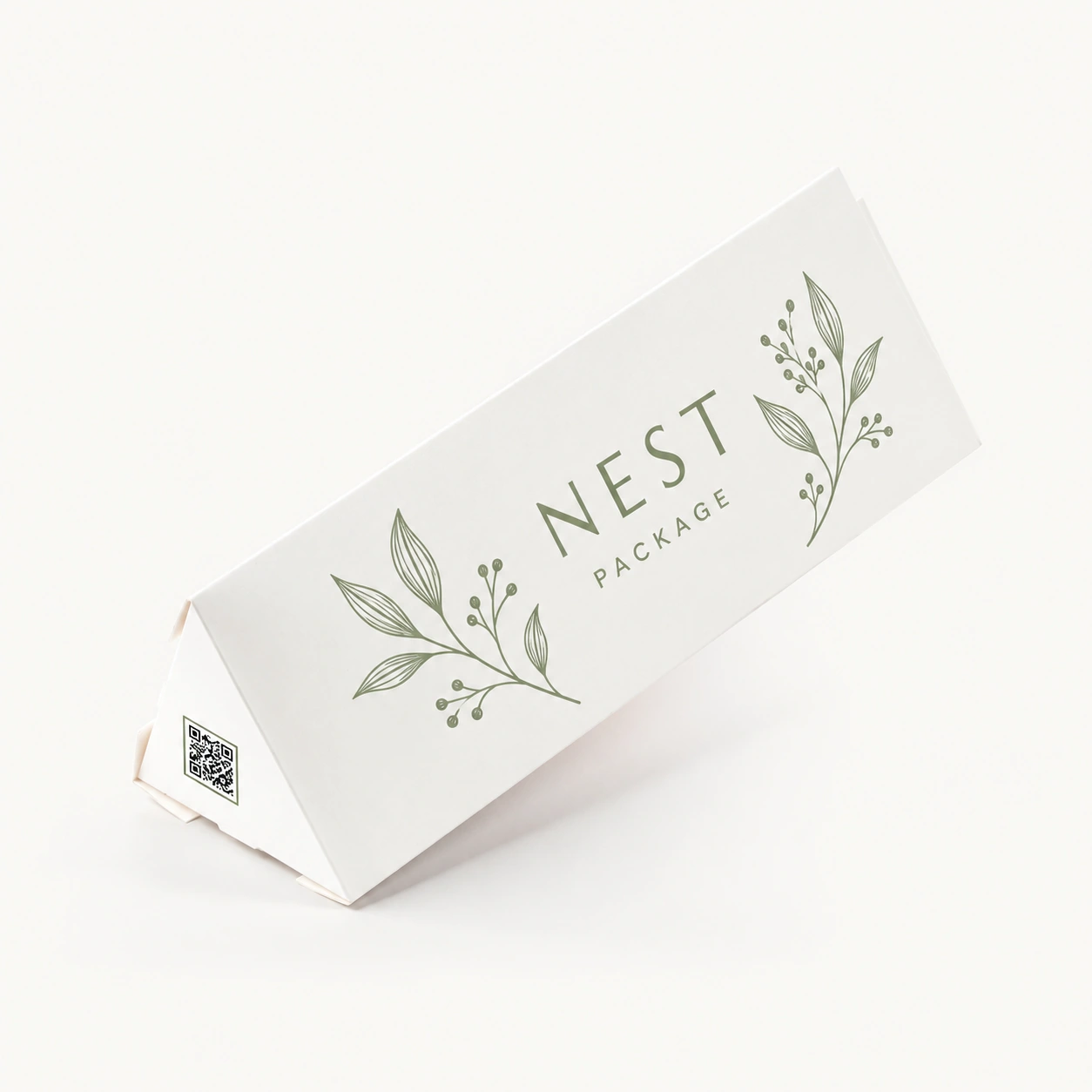
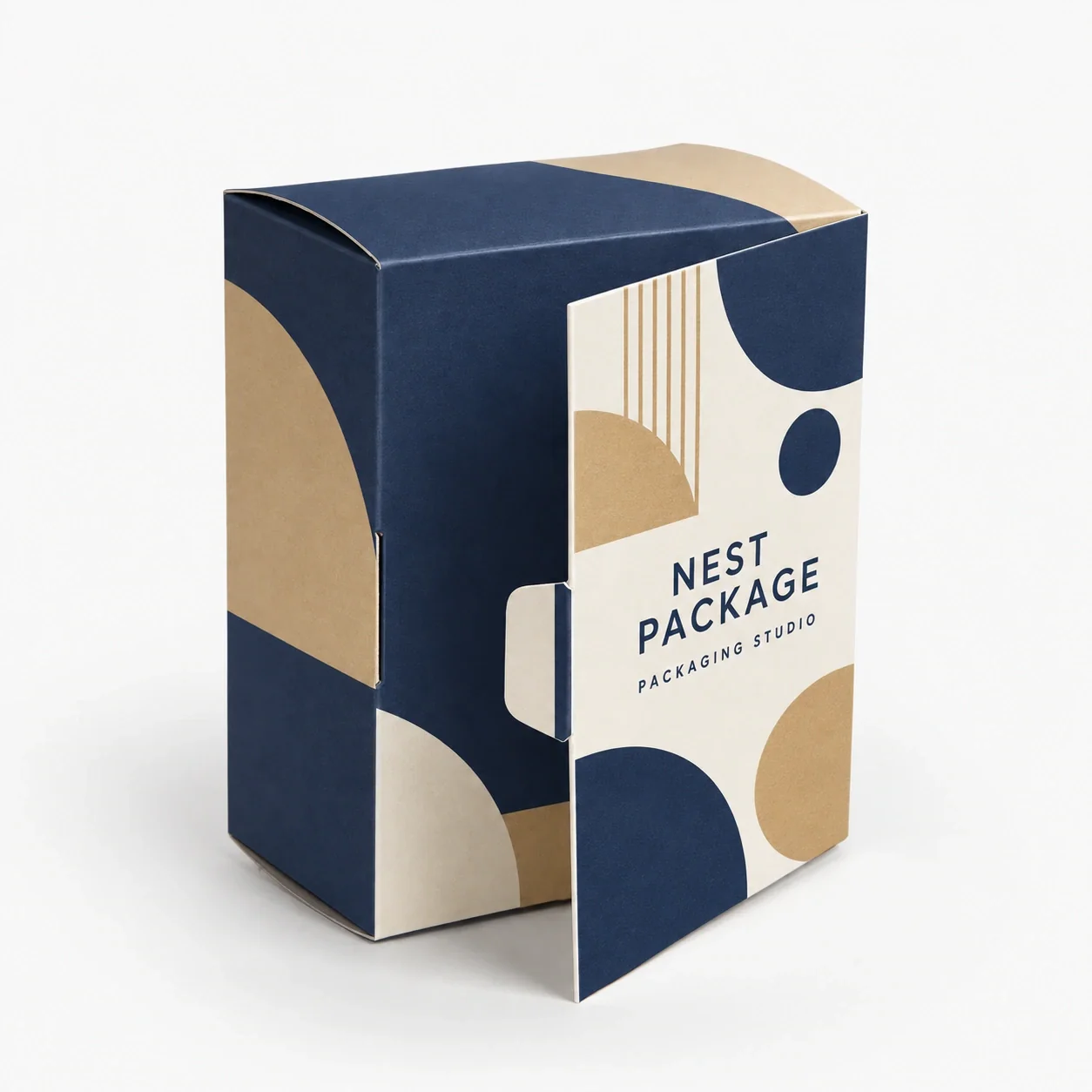
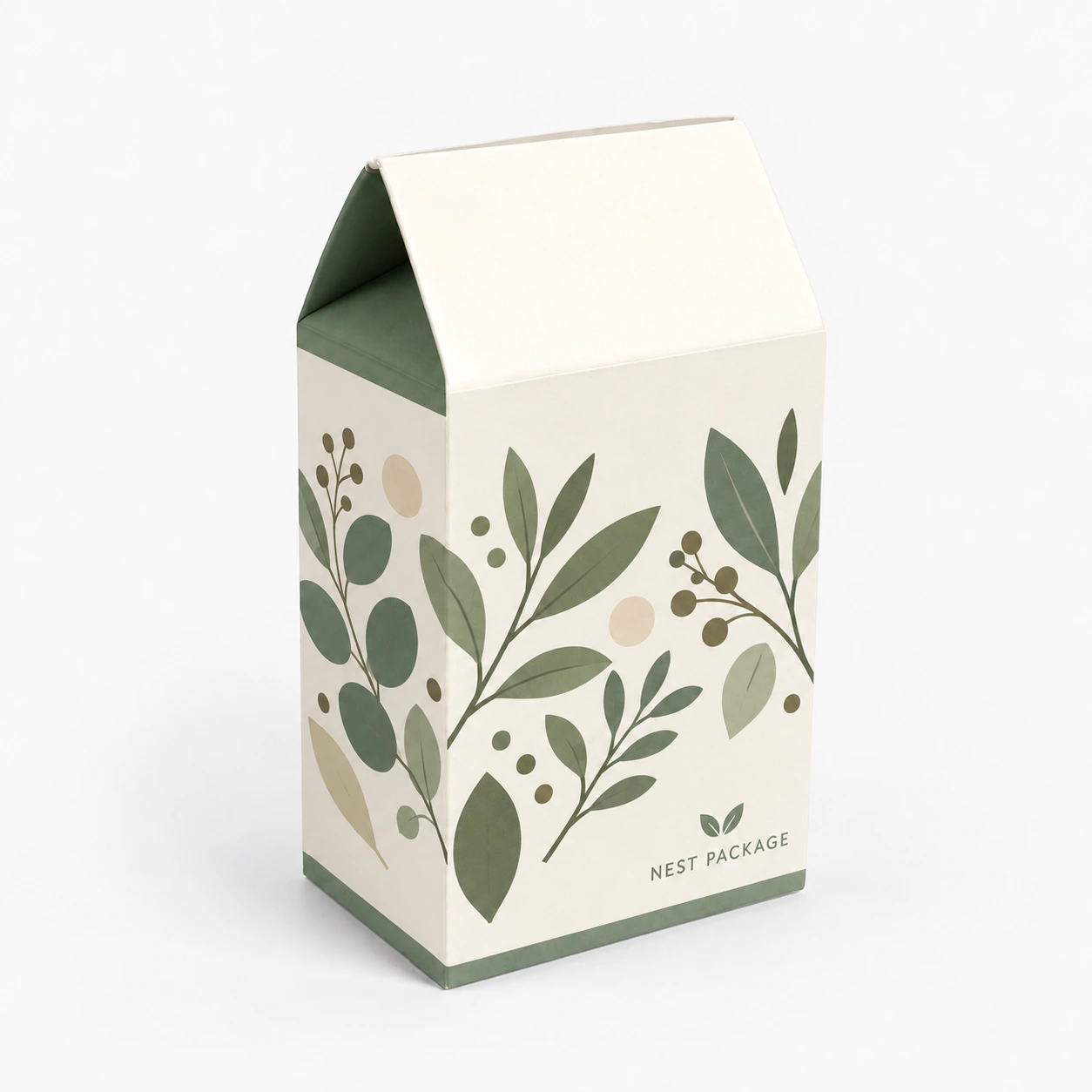
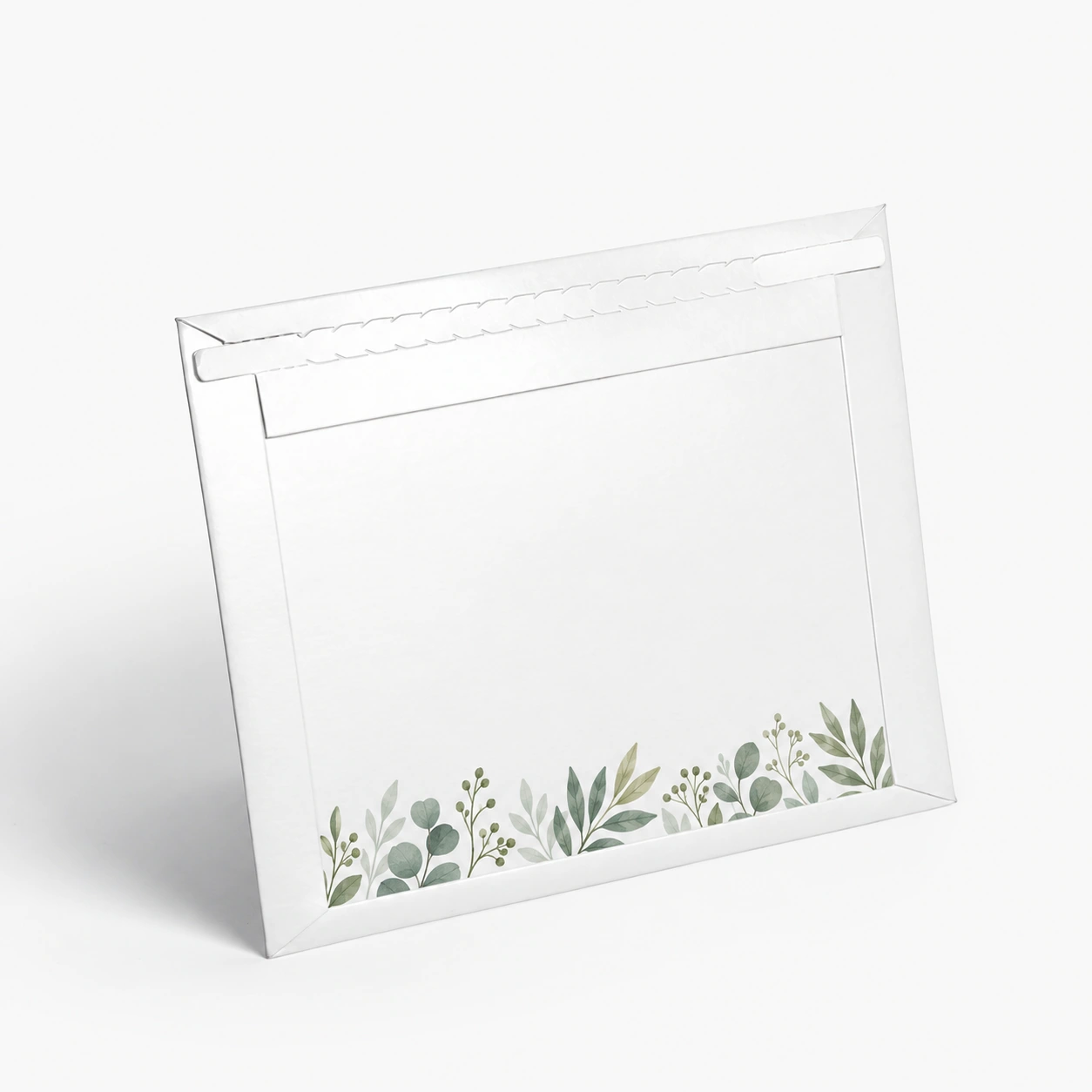
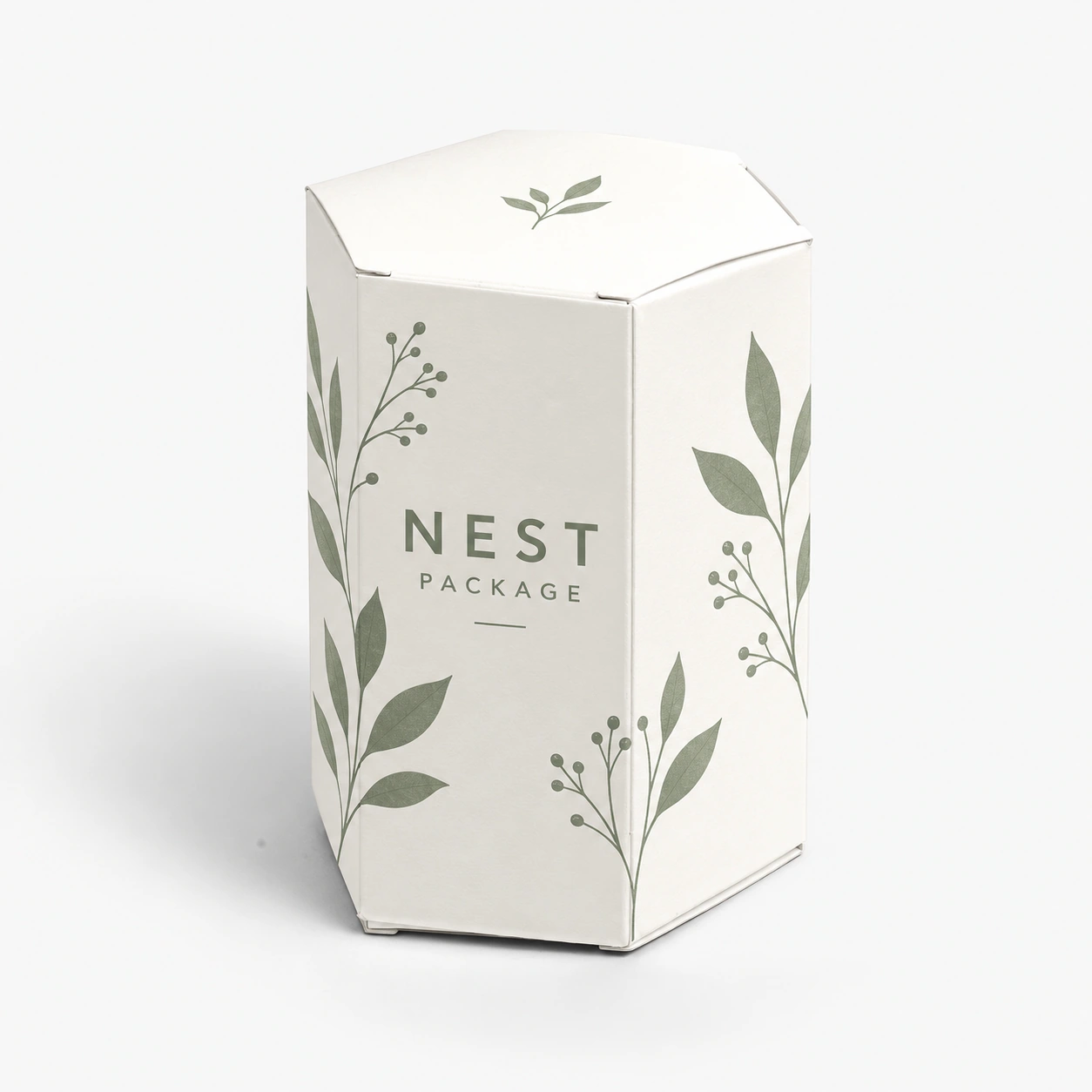

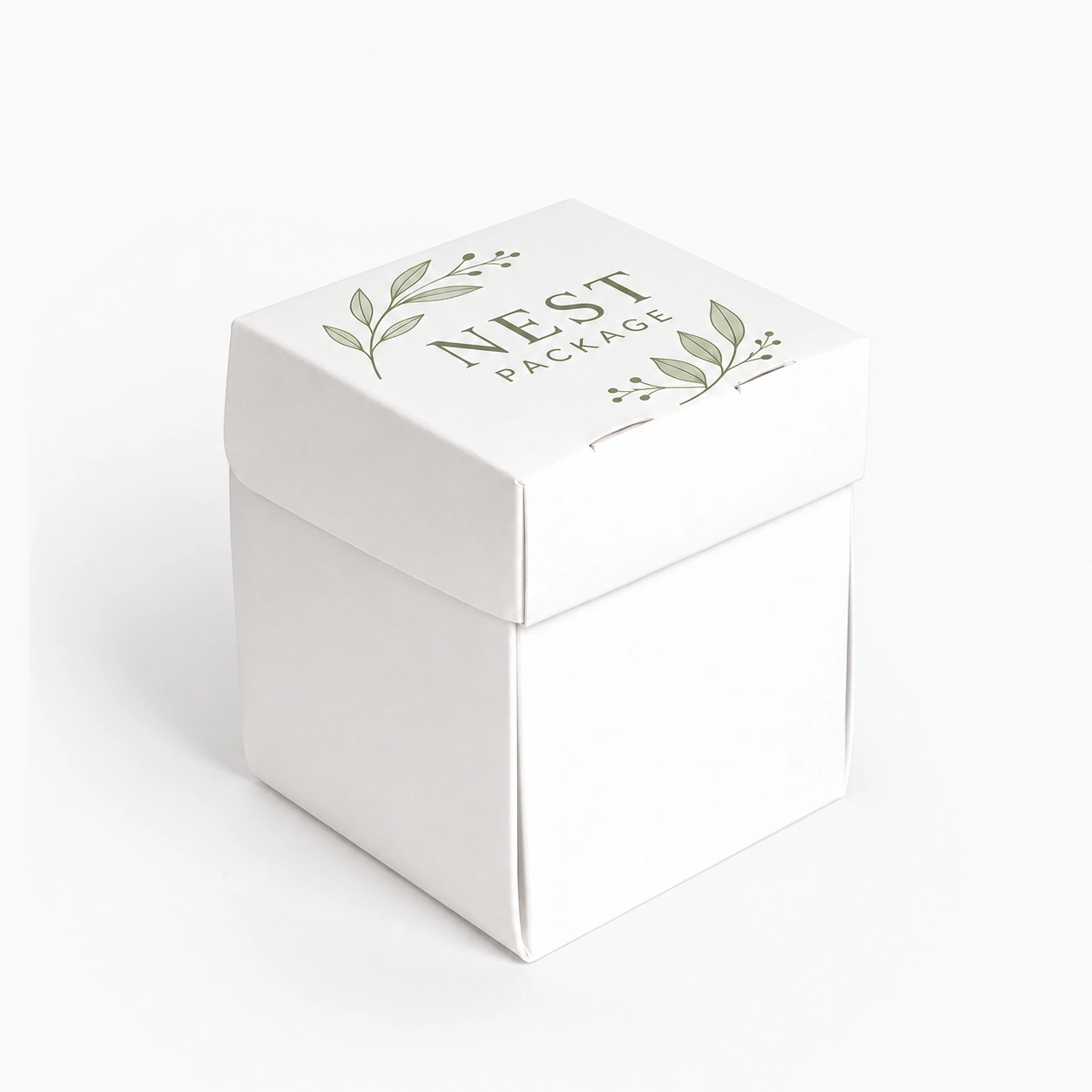
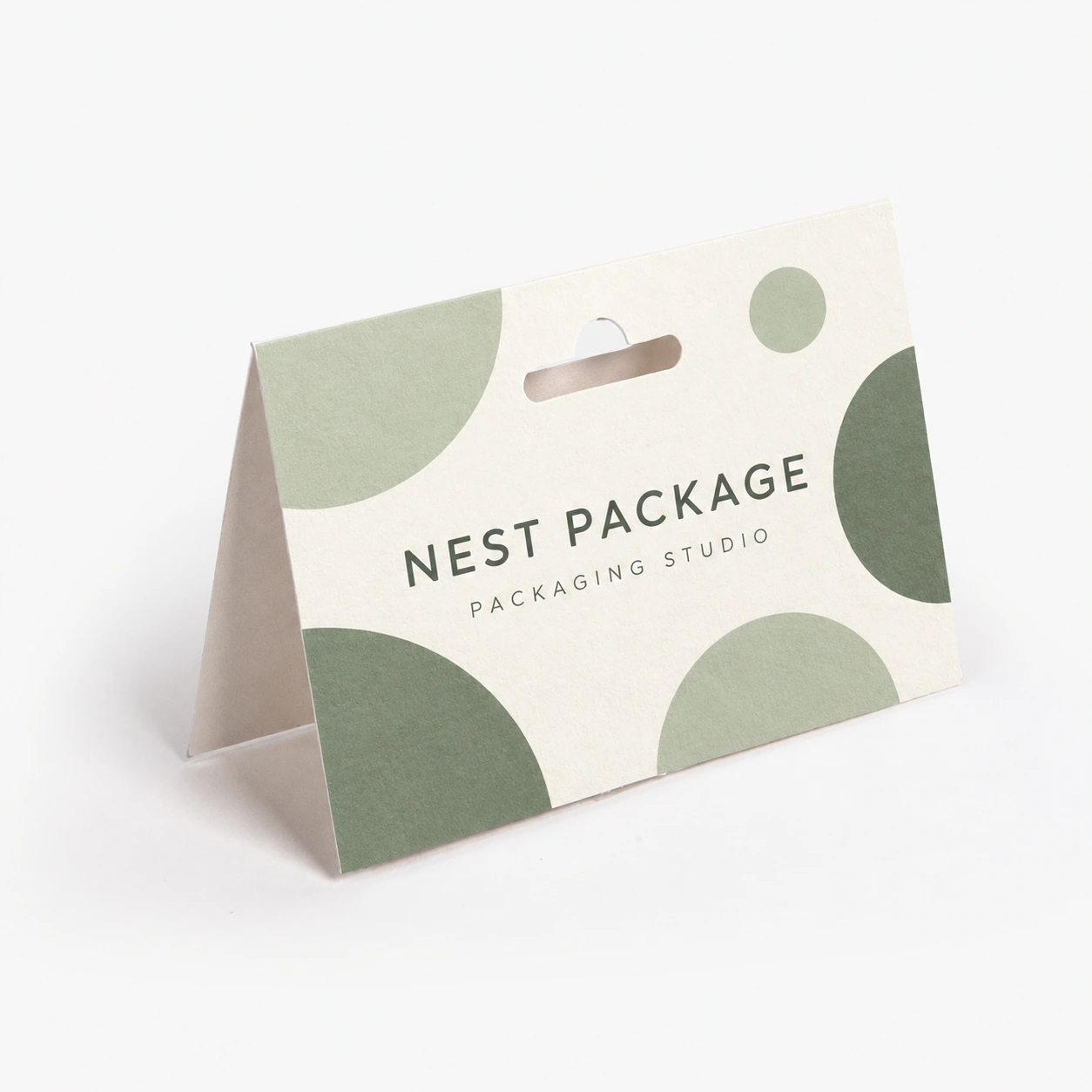
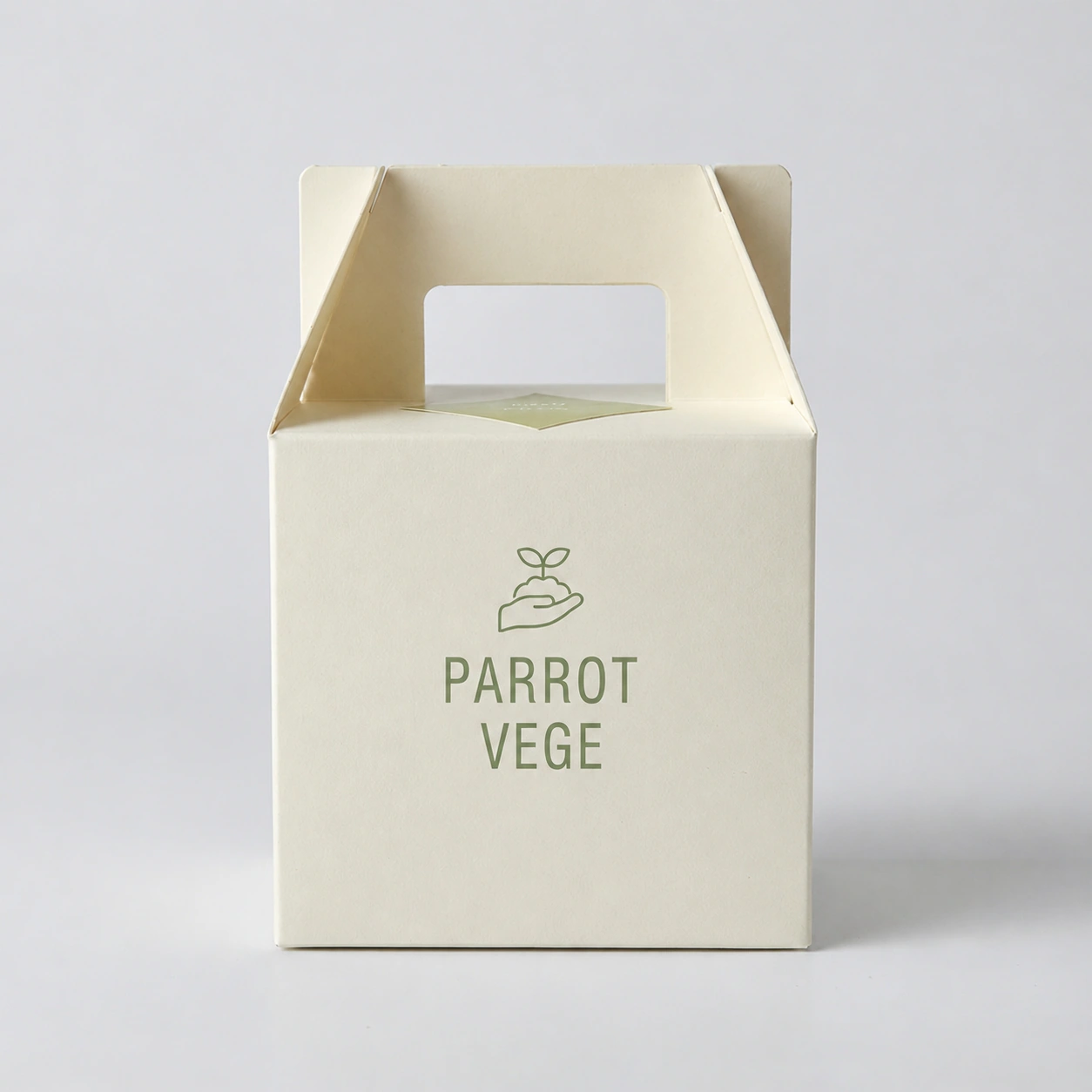
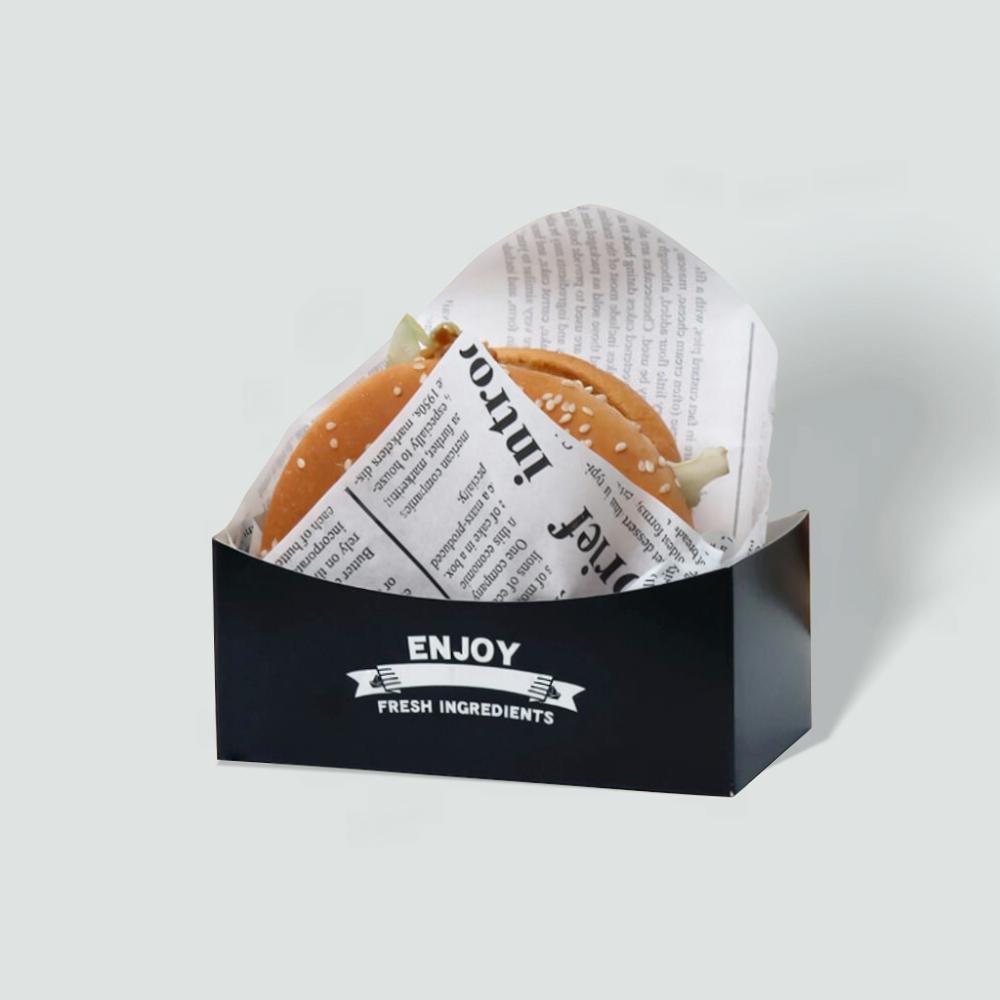
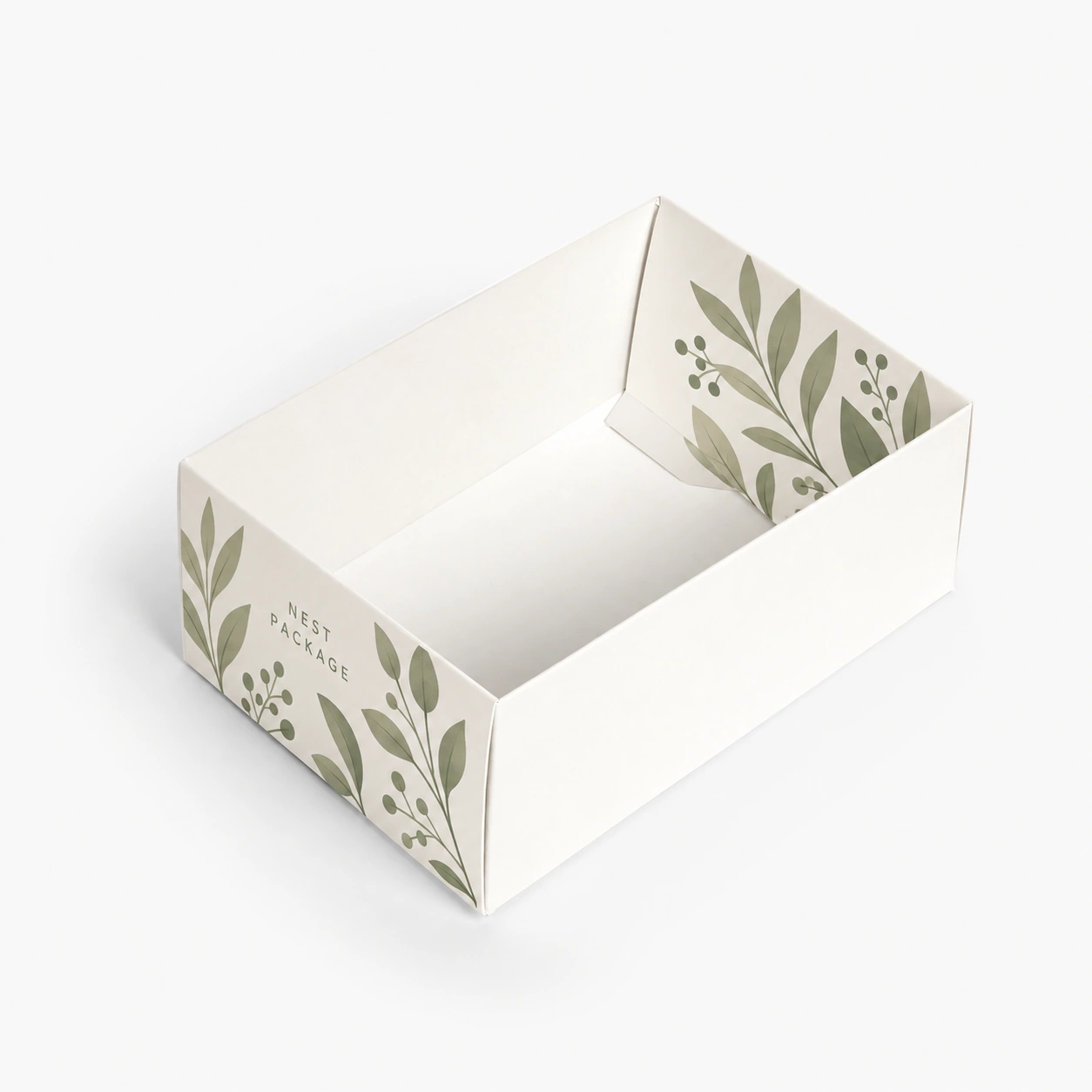
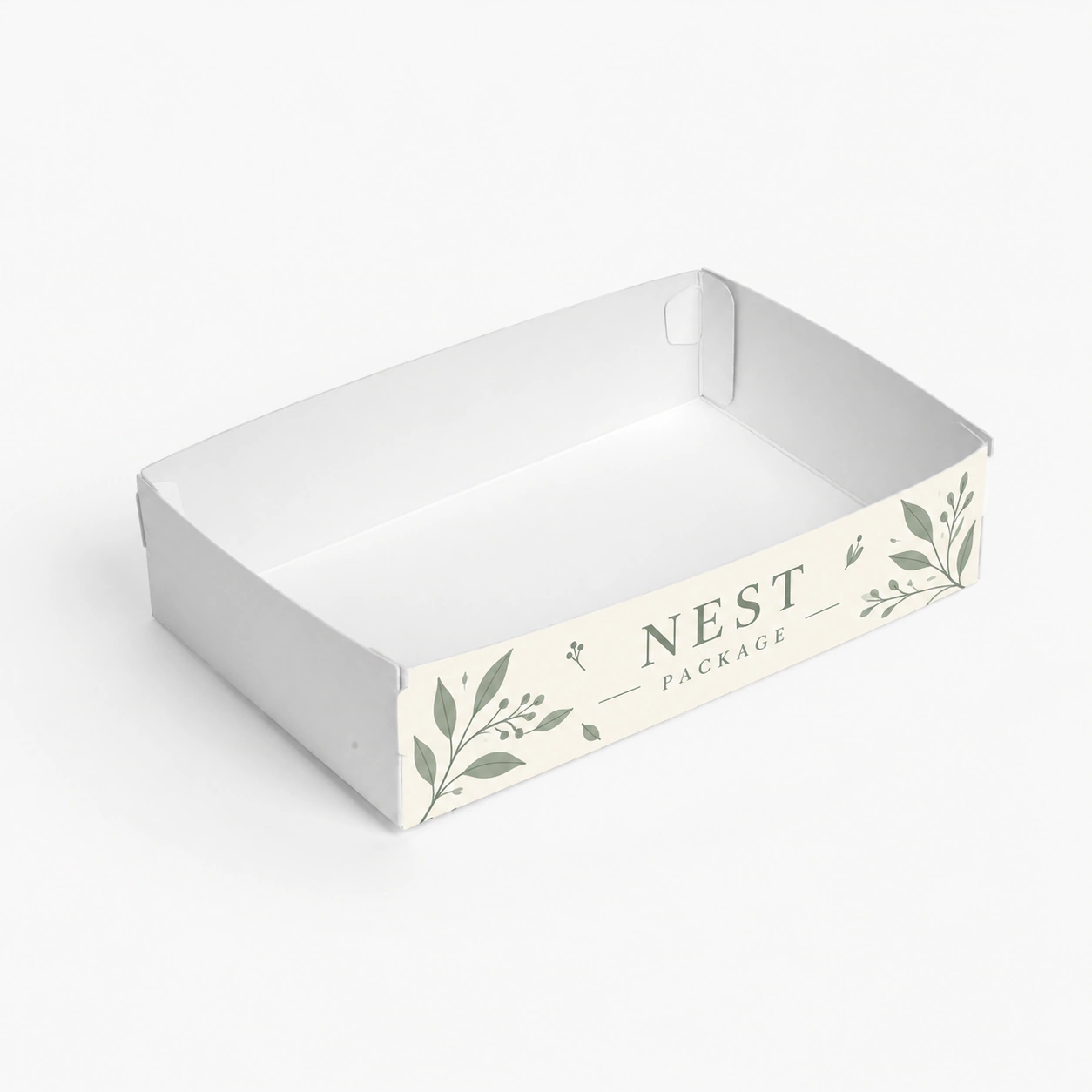
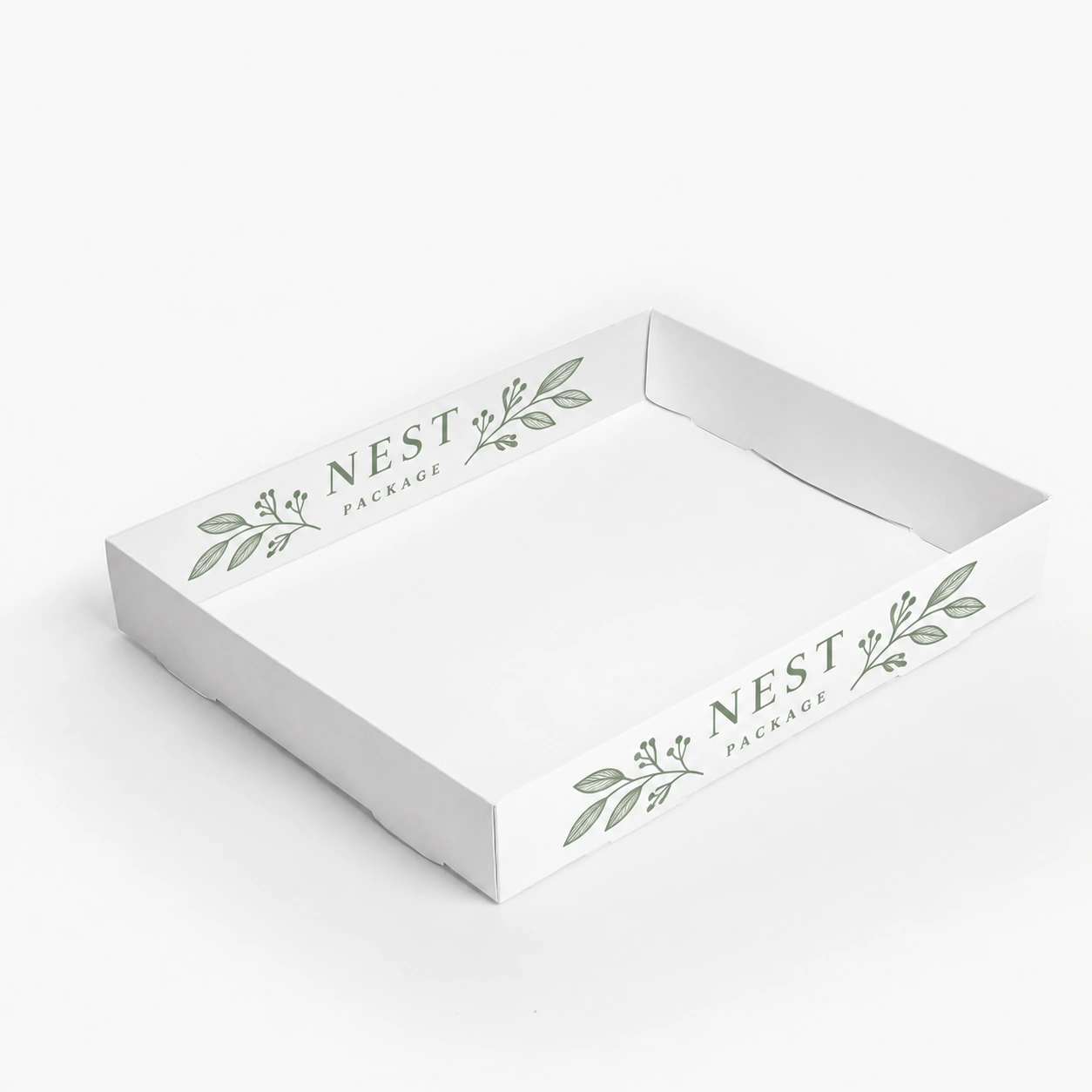
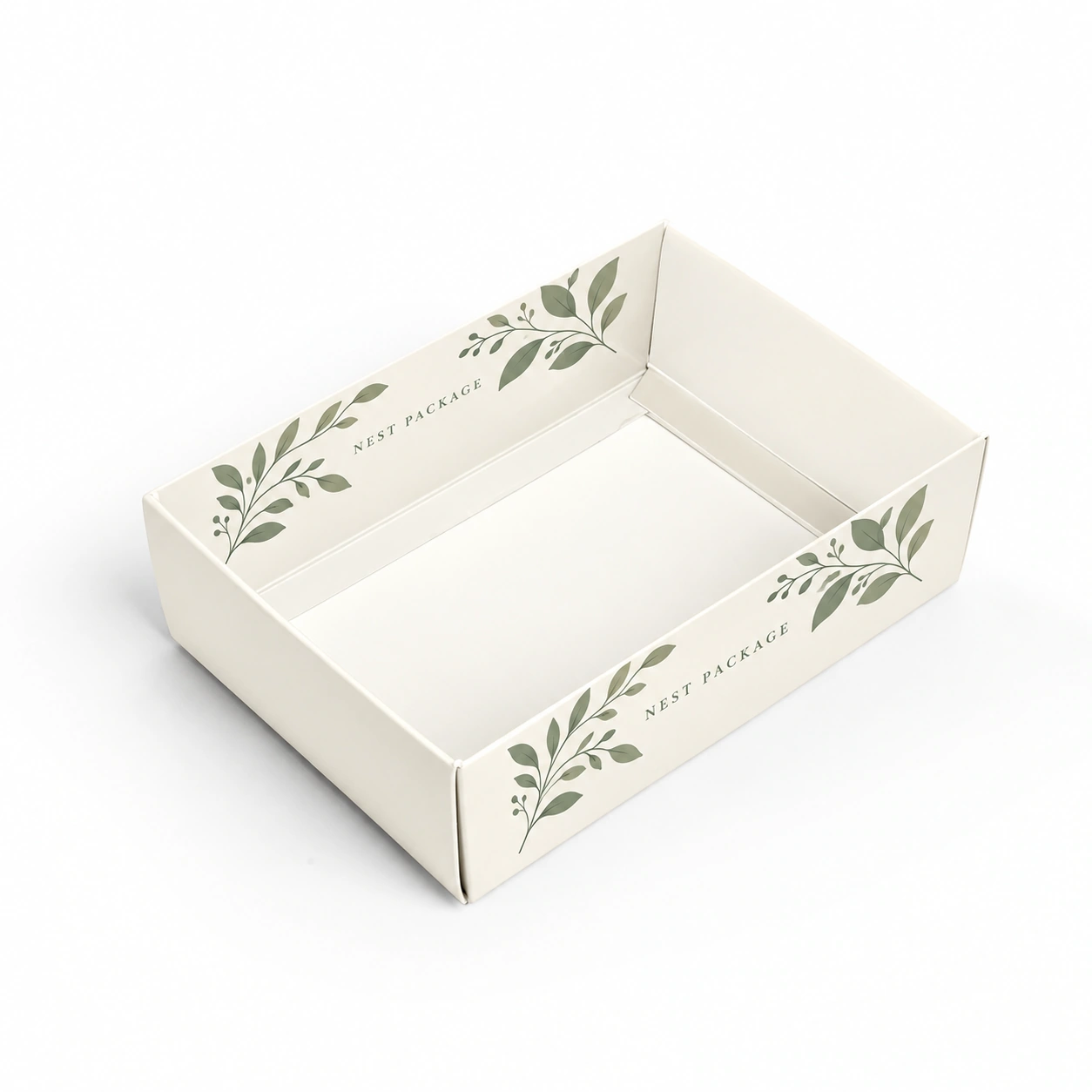

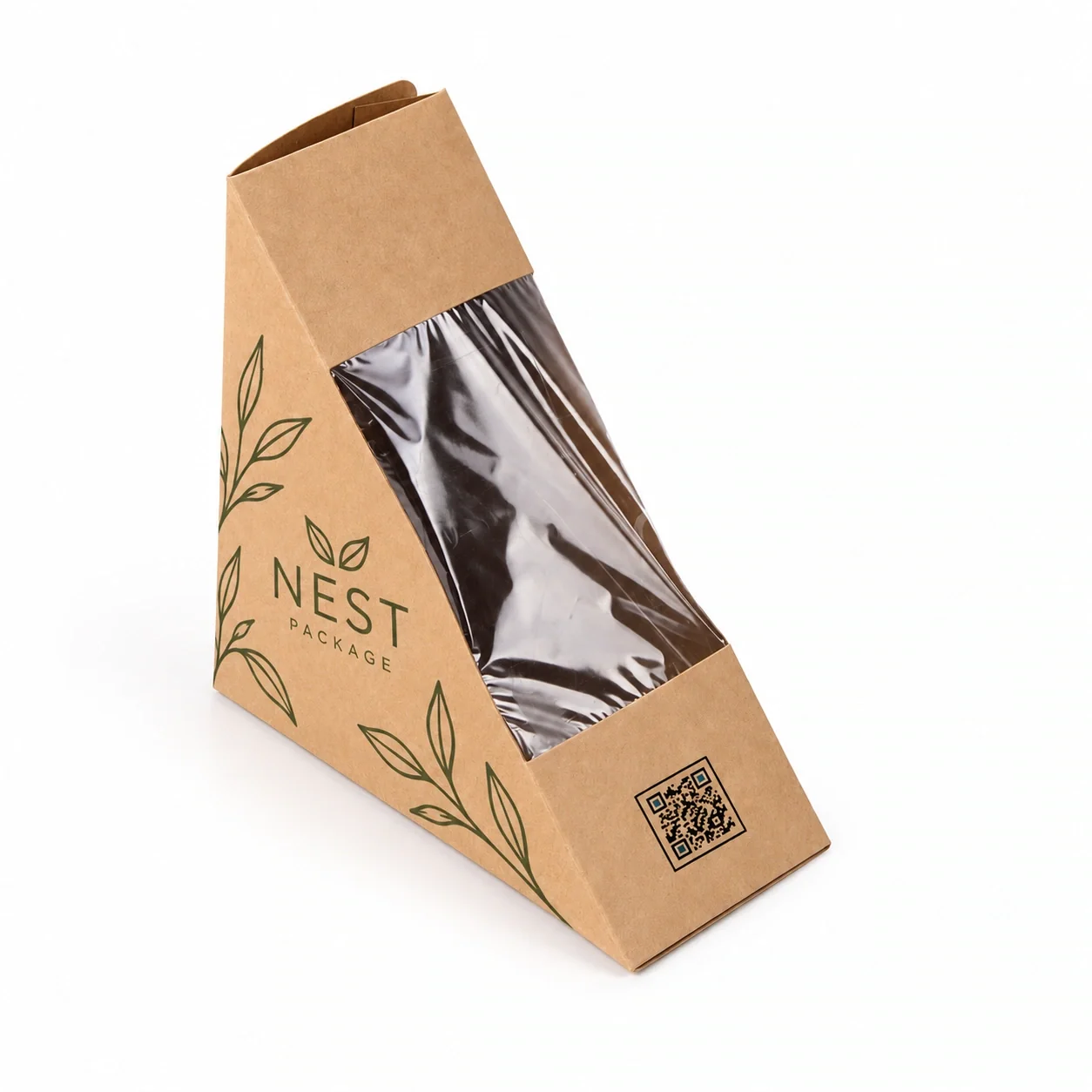
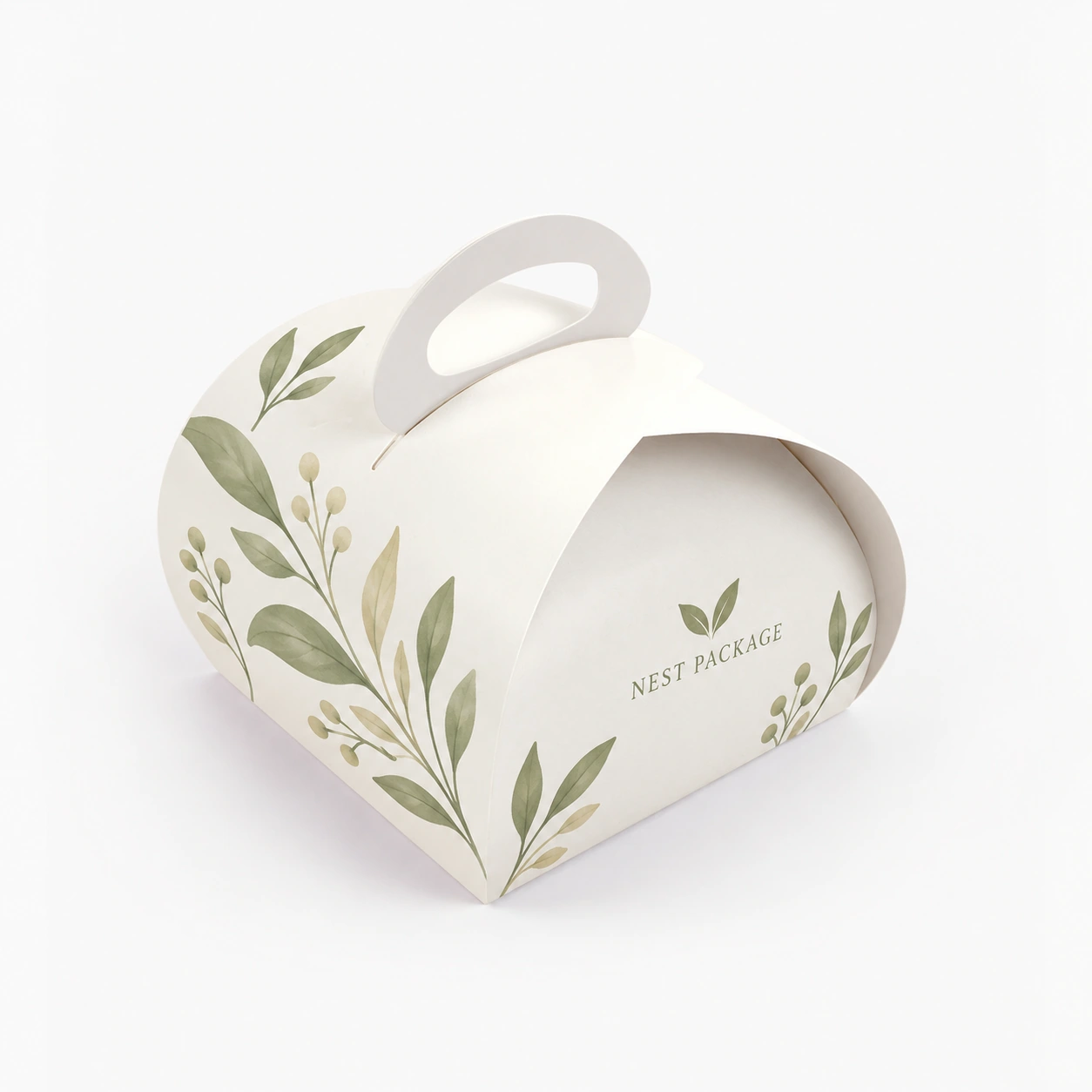
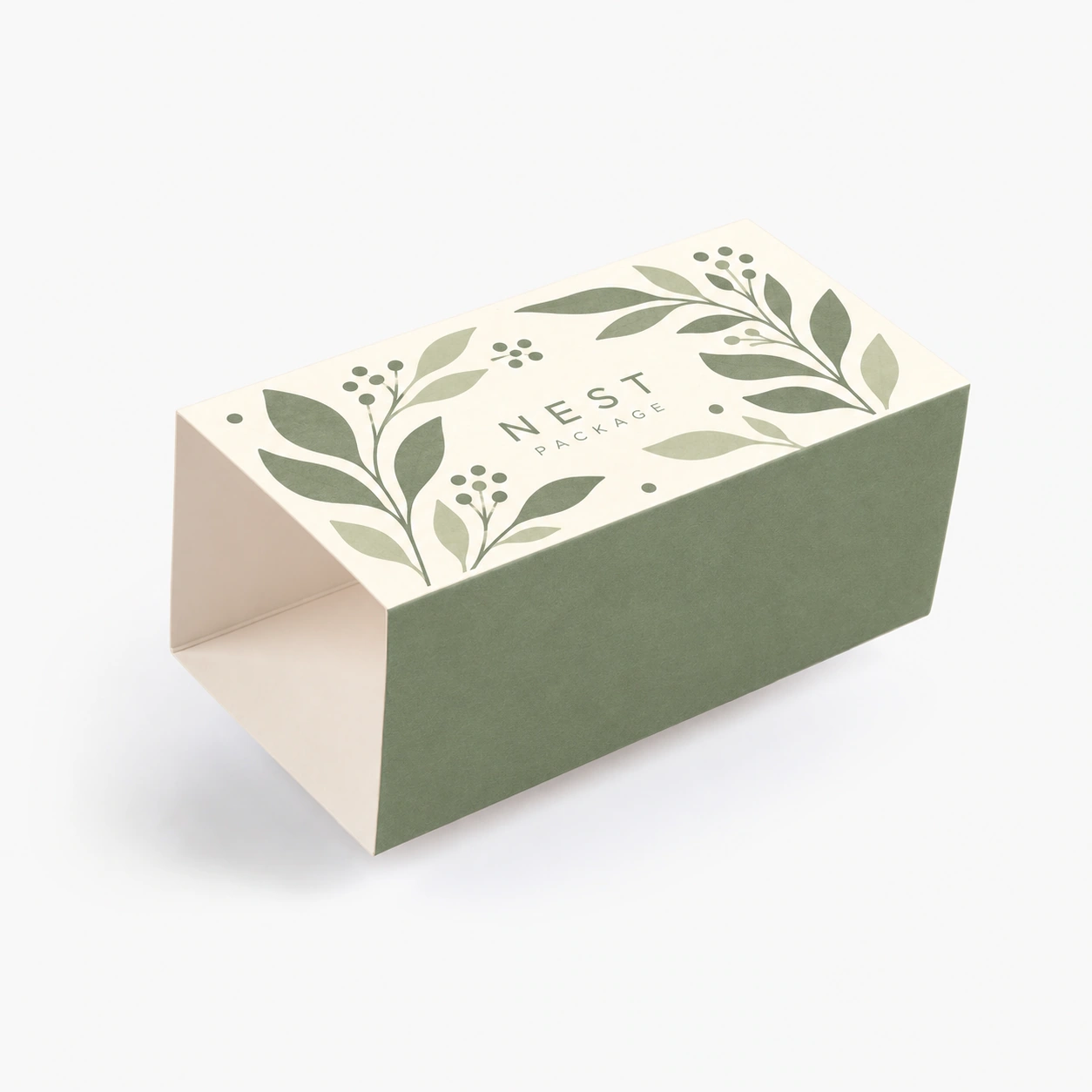
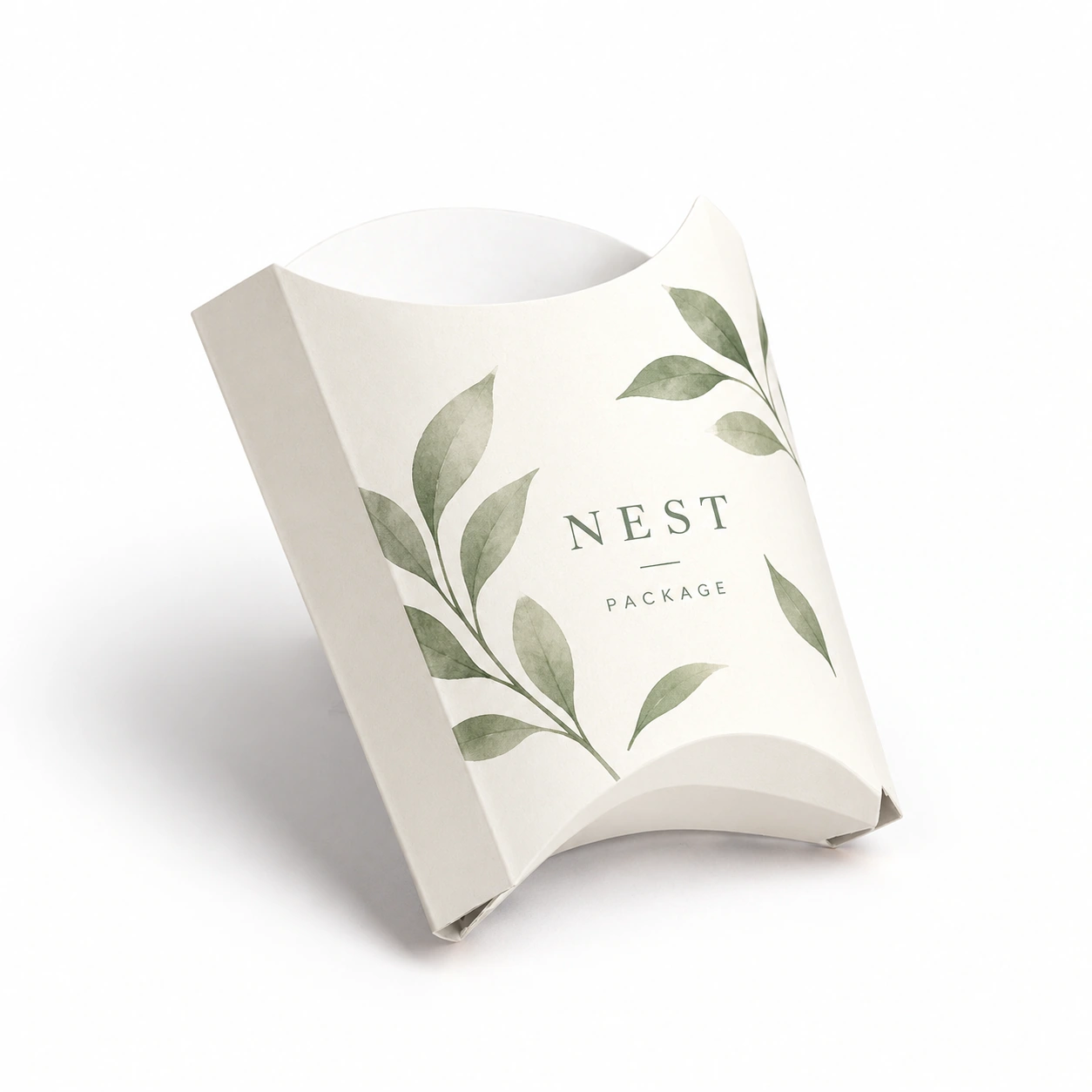
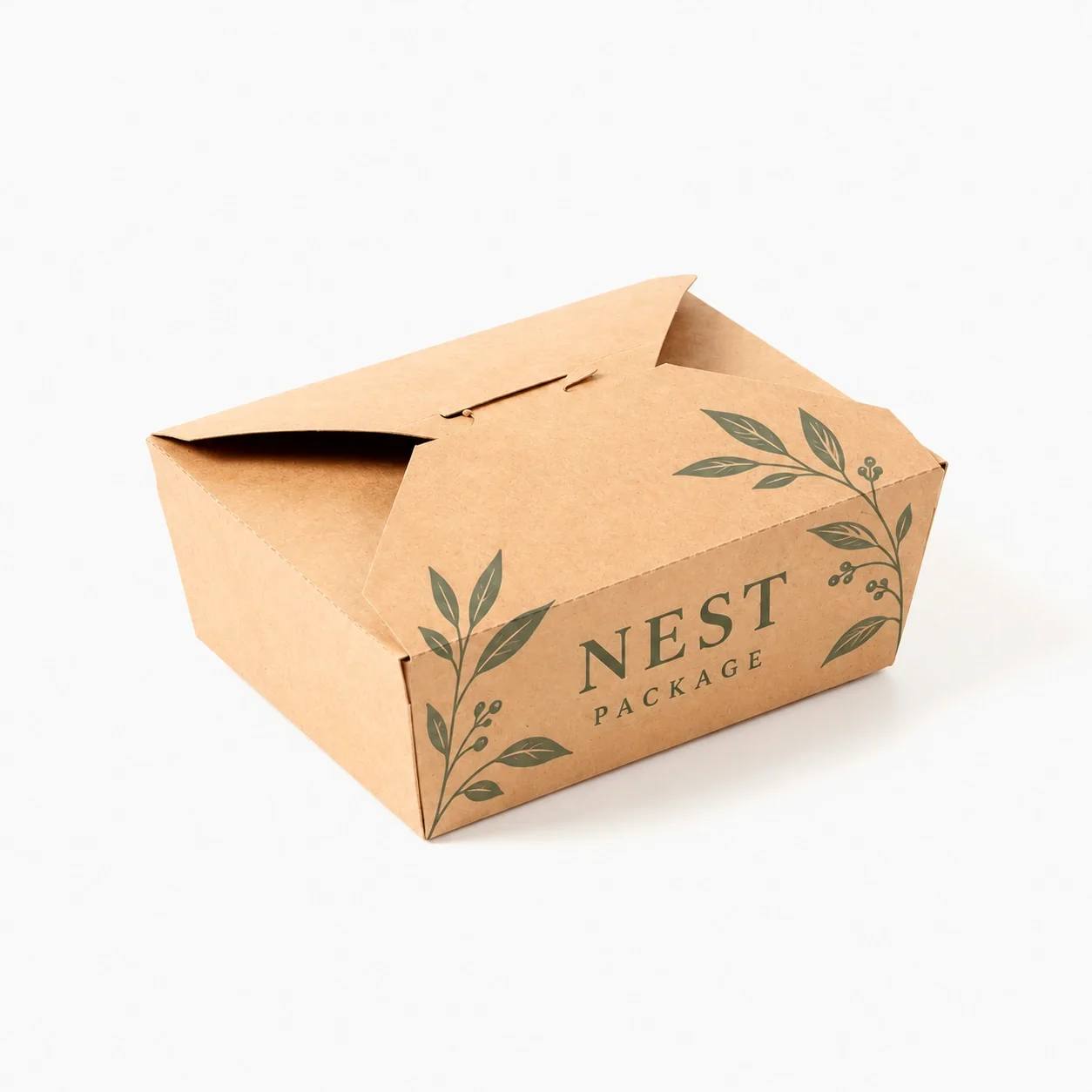
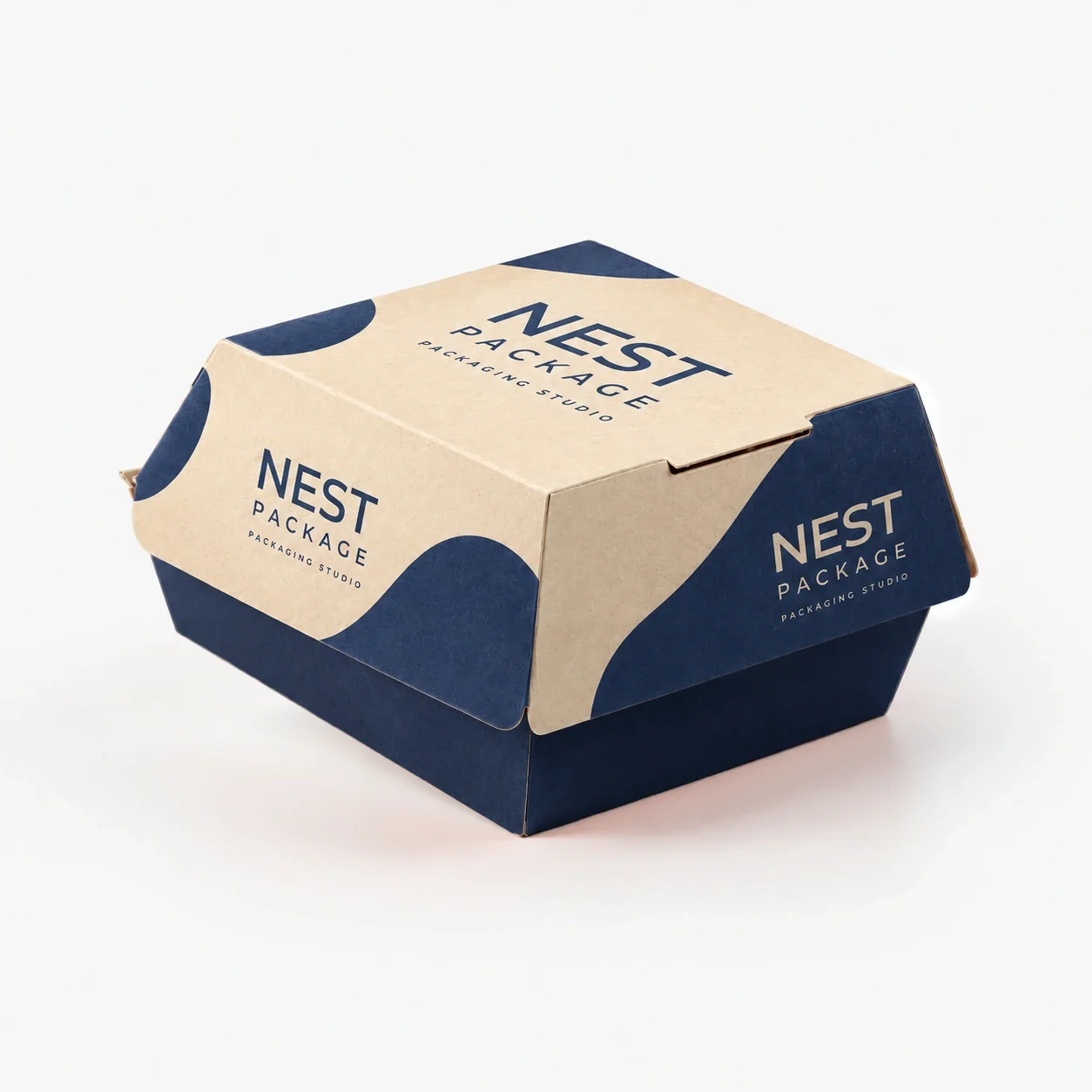
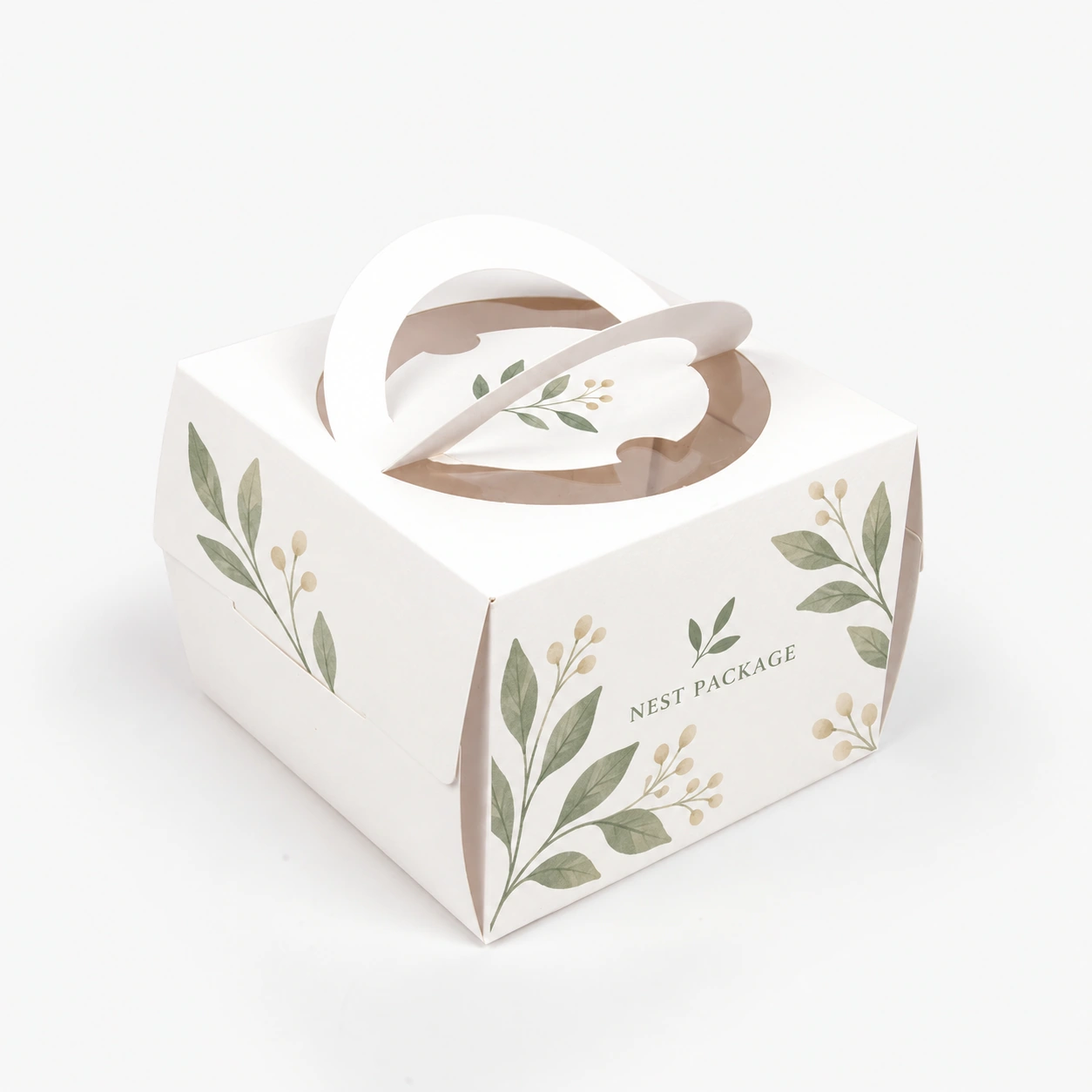
Review the options with the chosen structure. Confirm the exact material, appearance and supporting documentation for your project.



THE NEST PACKAGE APPROACH
Bring the design, production and delivery details together, with clear decisions at each stage of your packaging project.
Explore packaging services
Shape the structure around your product, then review the artwork, opening experience and material choices.
Explore designAgree on quantities, materials and finishes. Review sample requirements and approval steps before the production run.
Plan your samplesShare your destination and arrival date so packing, shipping options and delivery terms can be discussed together.
Plan delivery detailsSet the checks that matter for your pack: fit, print, construction and any project-specific documentation.
Review the checklistProduct dimensions, quantity and delivery destination are a useful first step.
FAMILIAR BRANDS. DIFFERENT FORMATS.
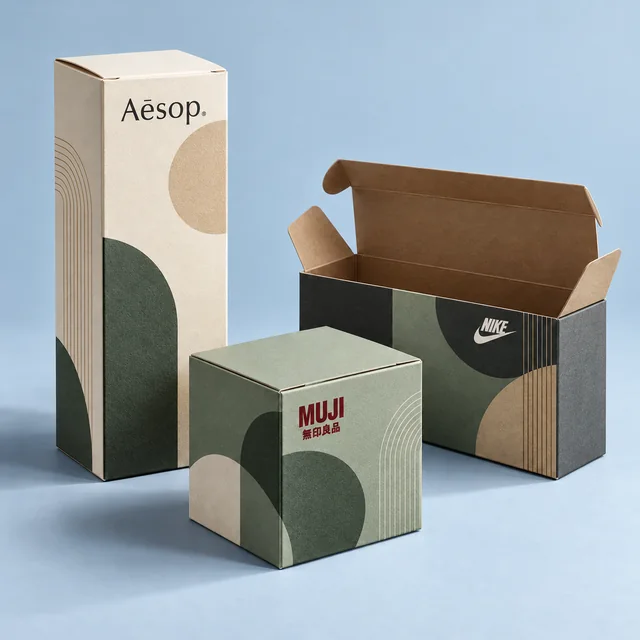
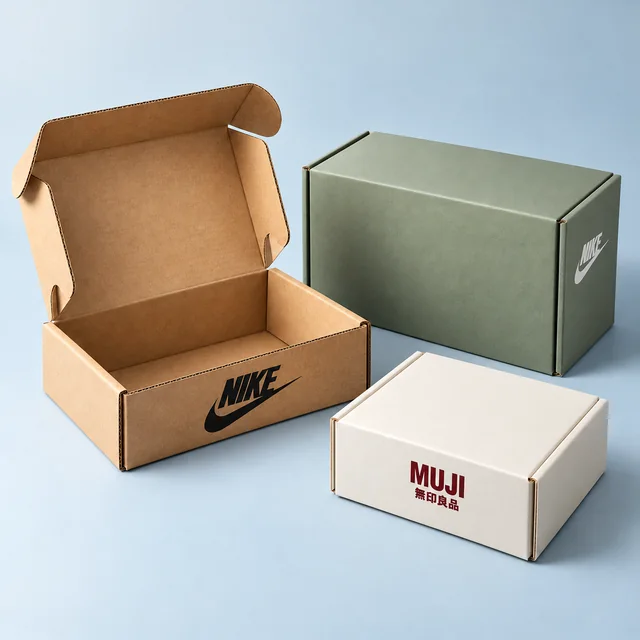
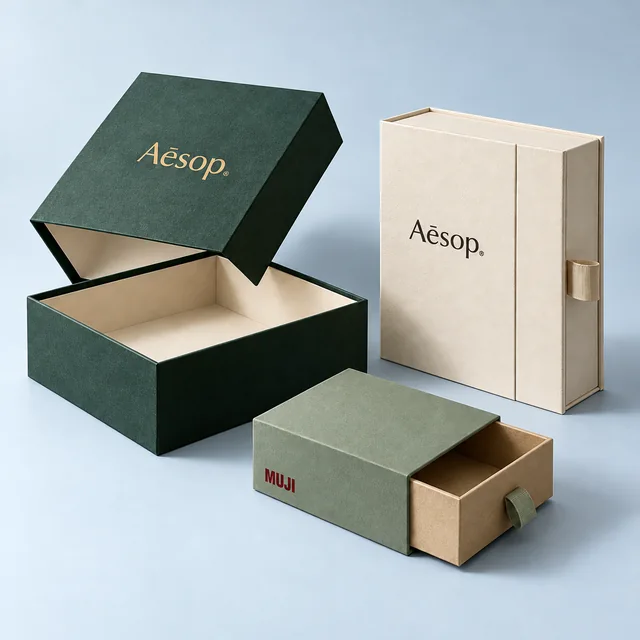
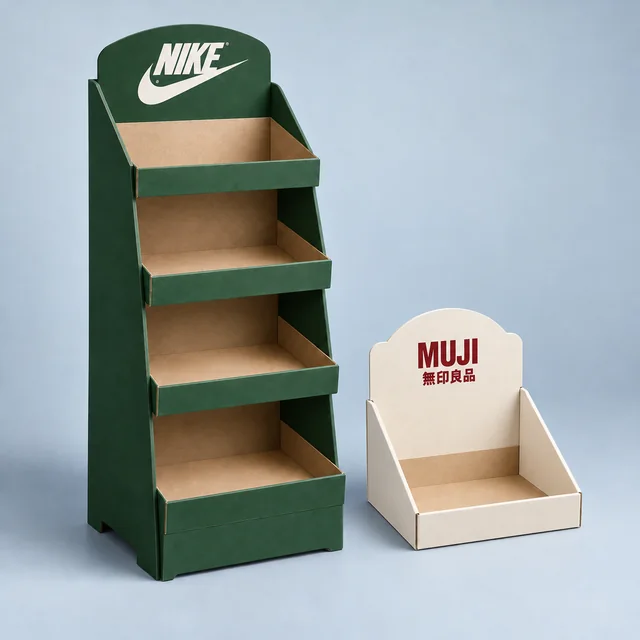
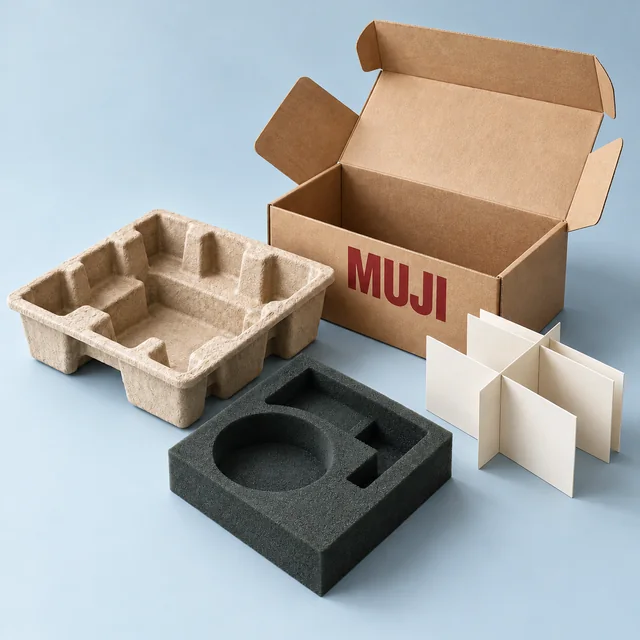
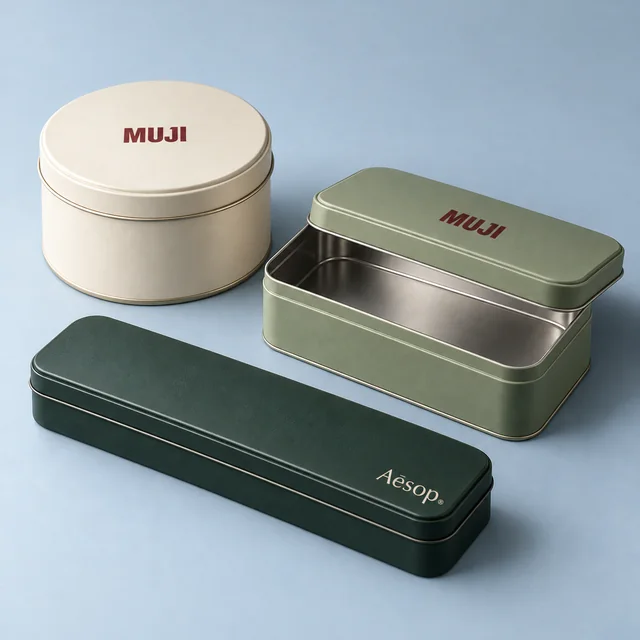
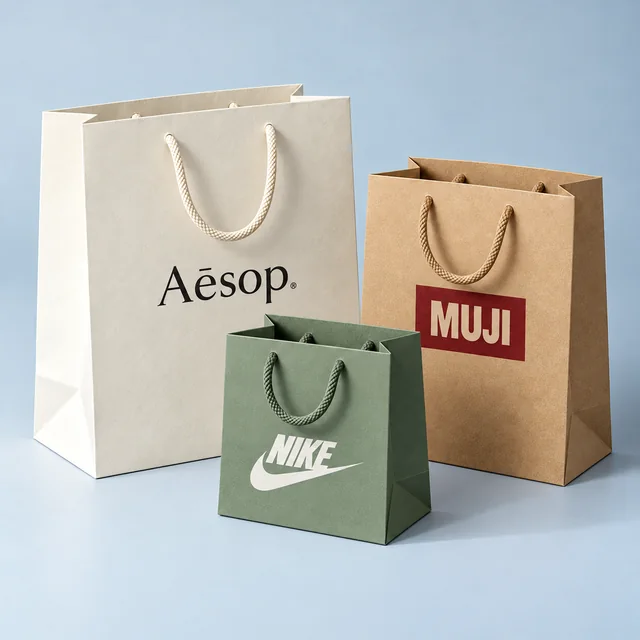
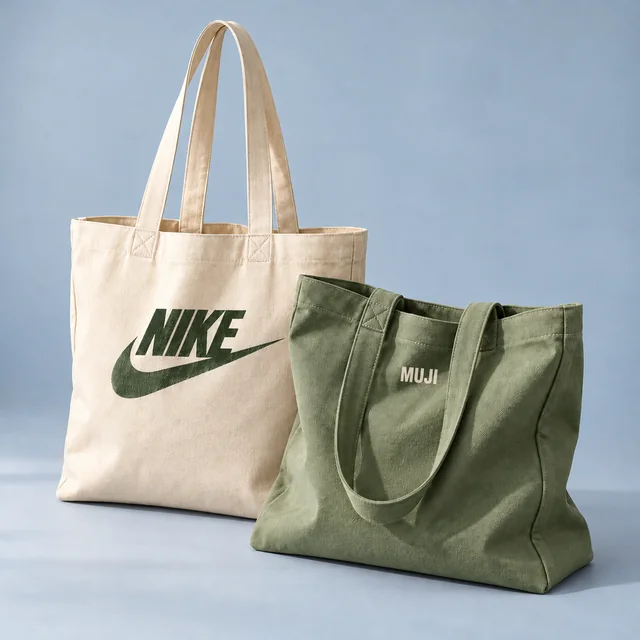
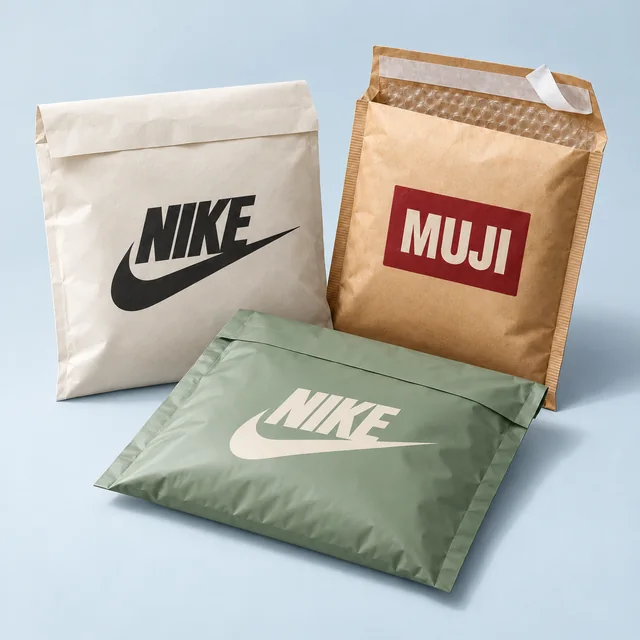
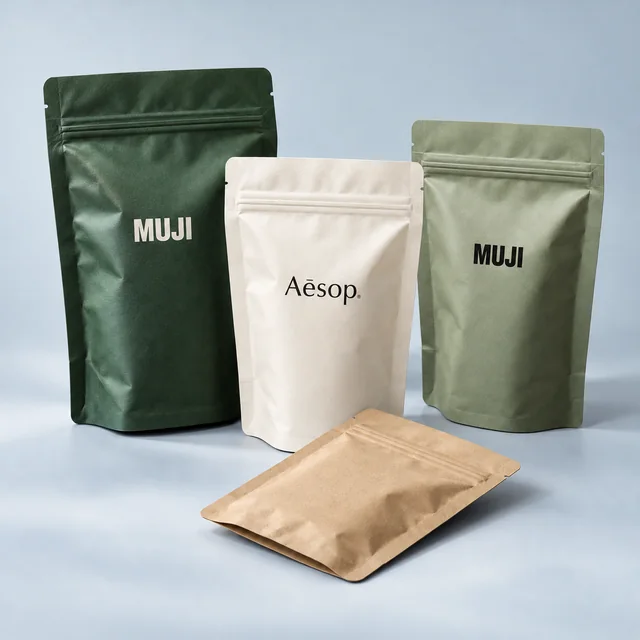
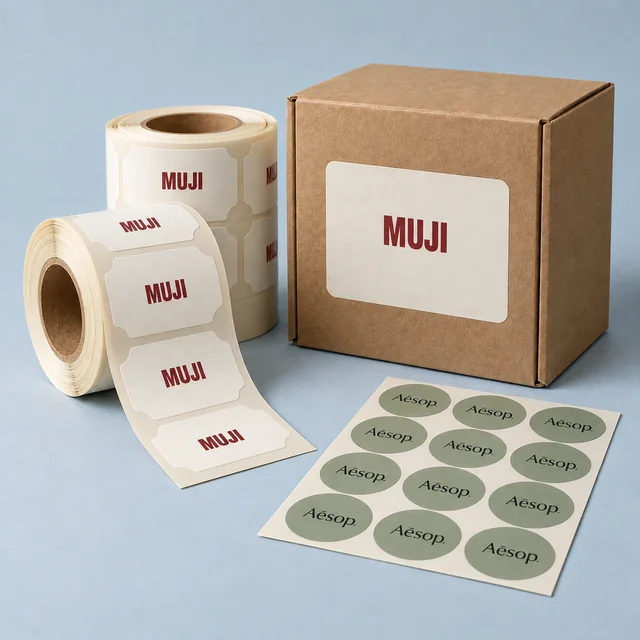
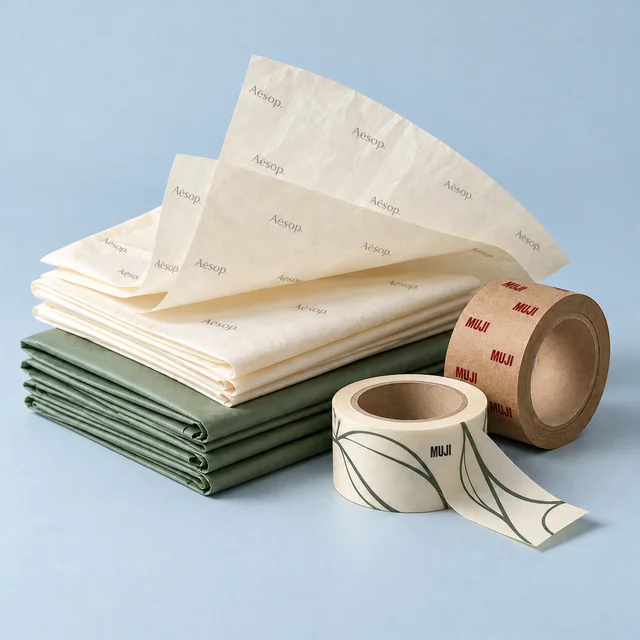
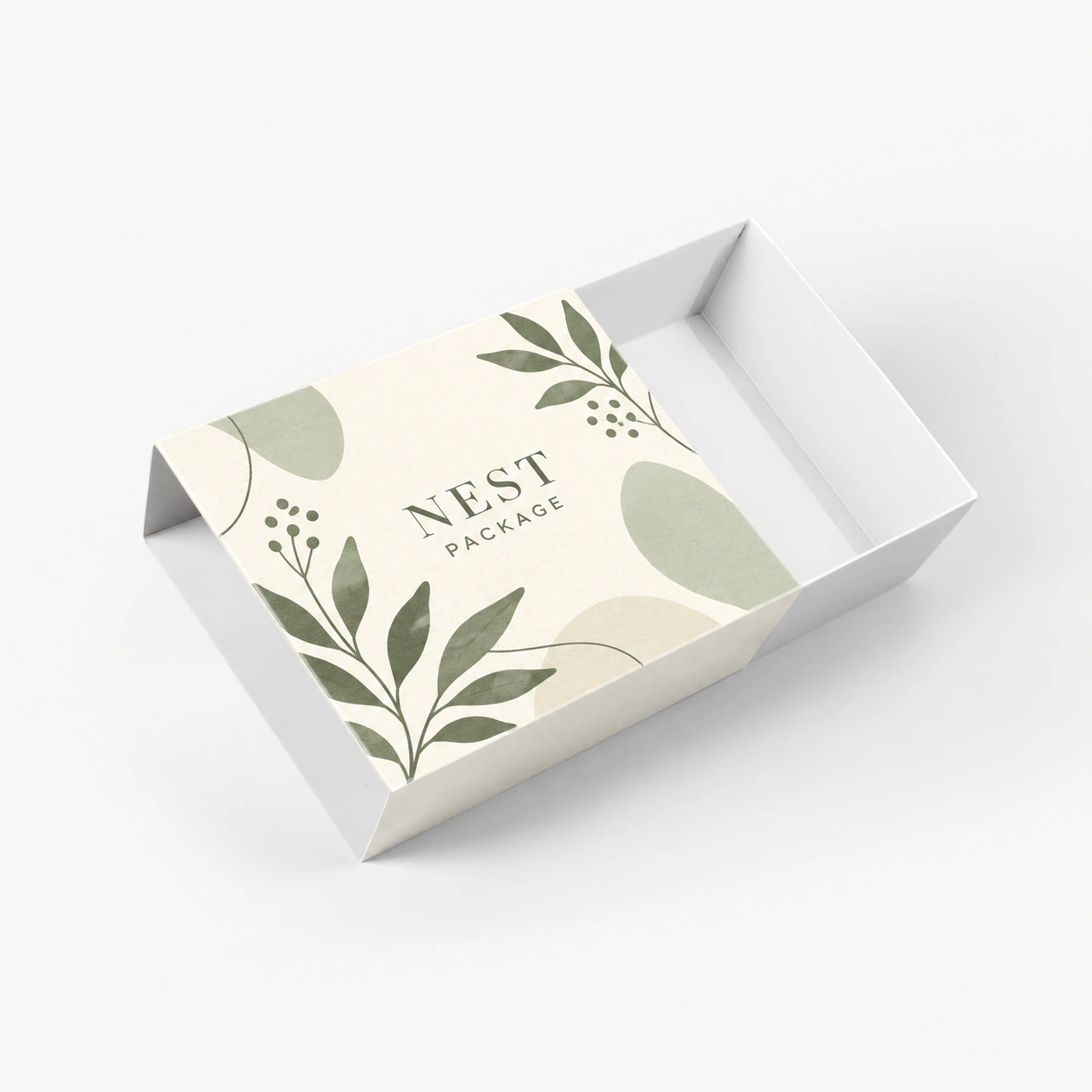
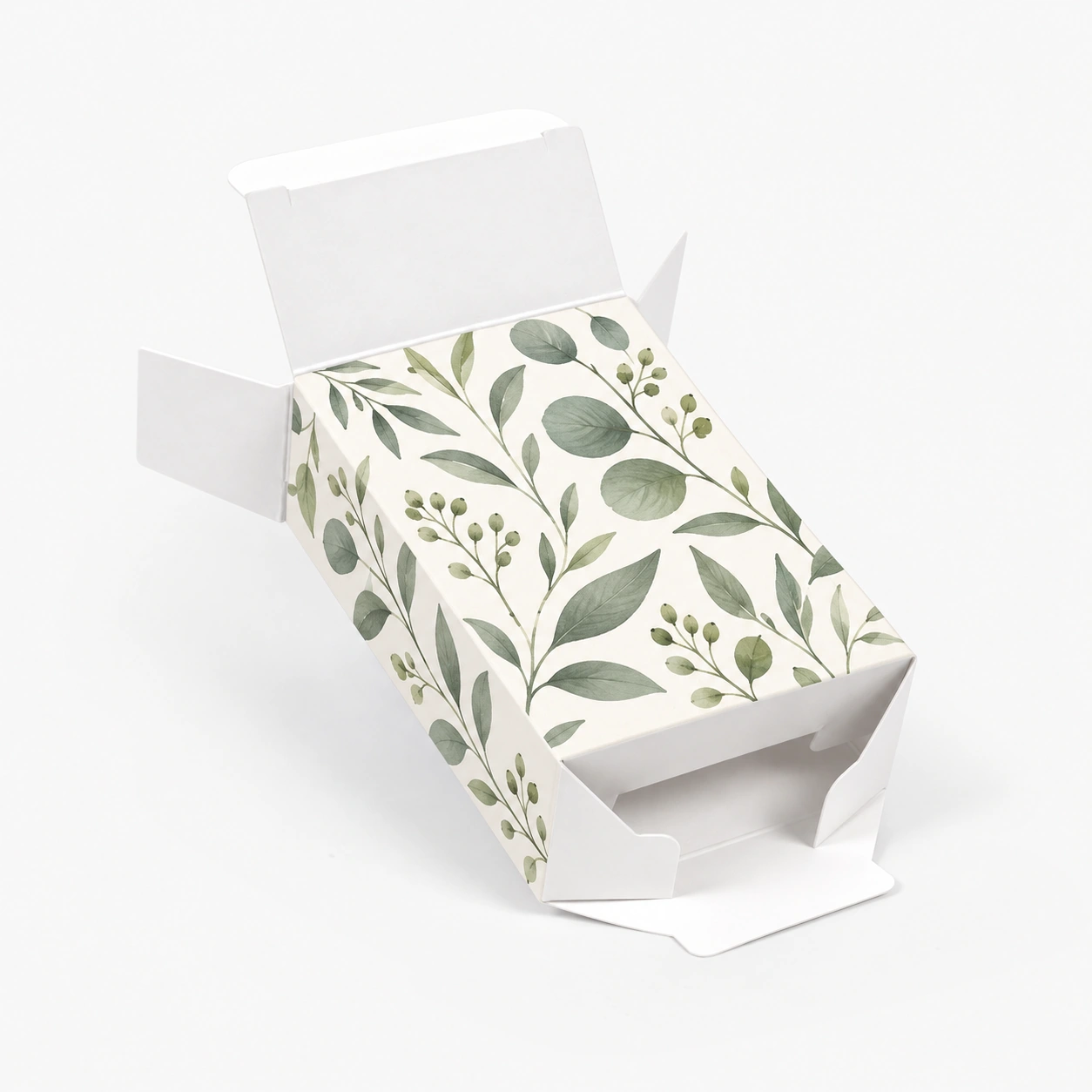
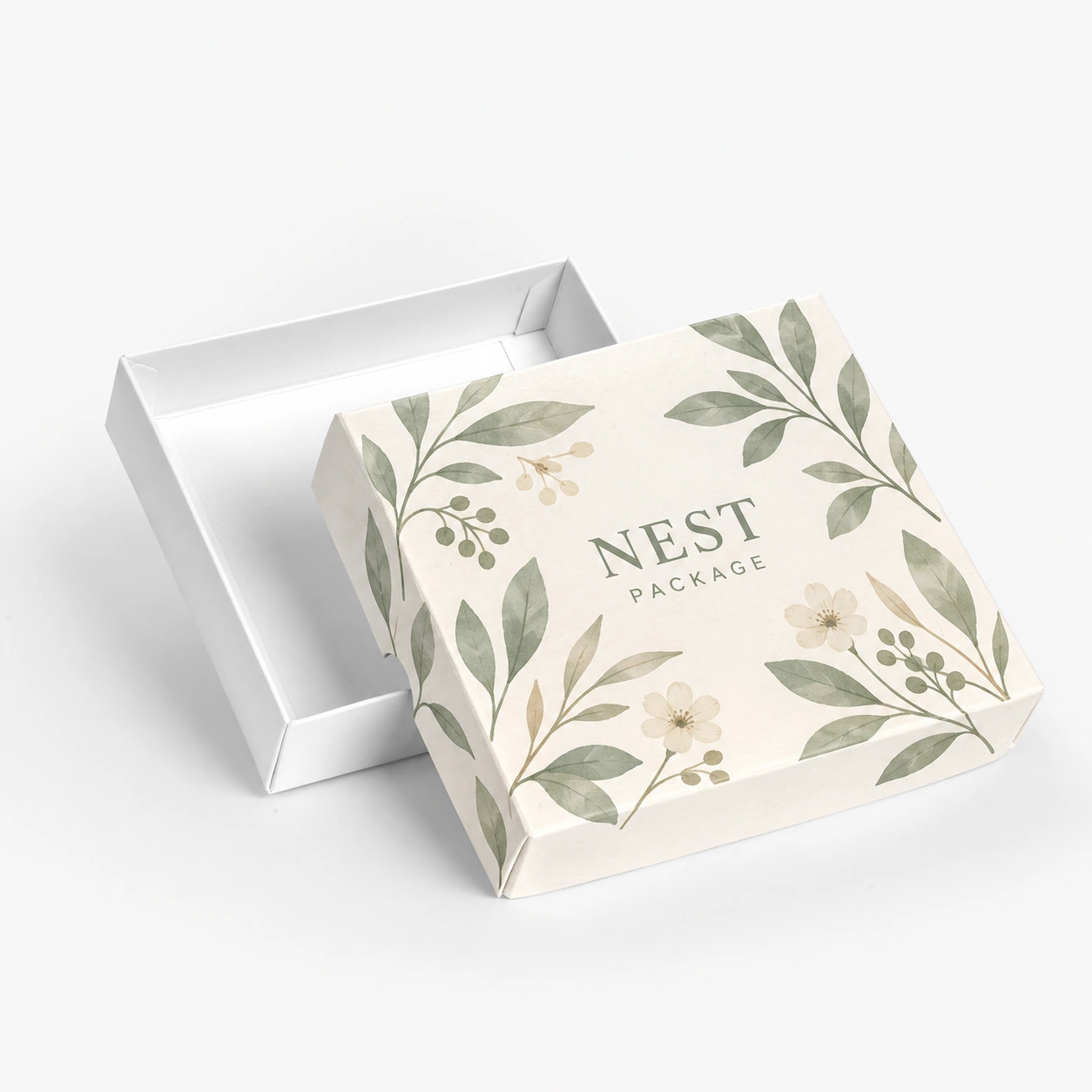
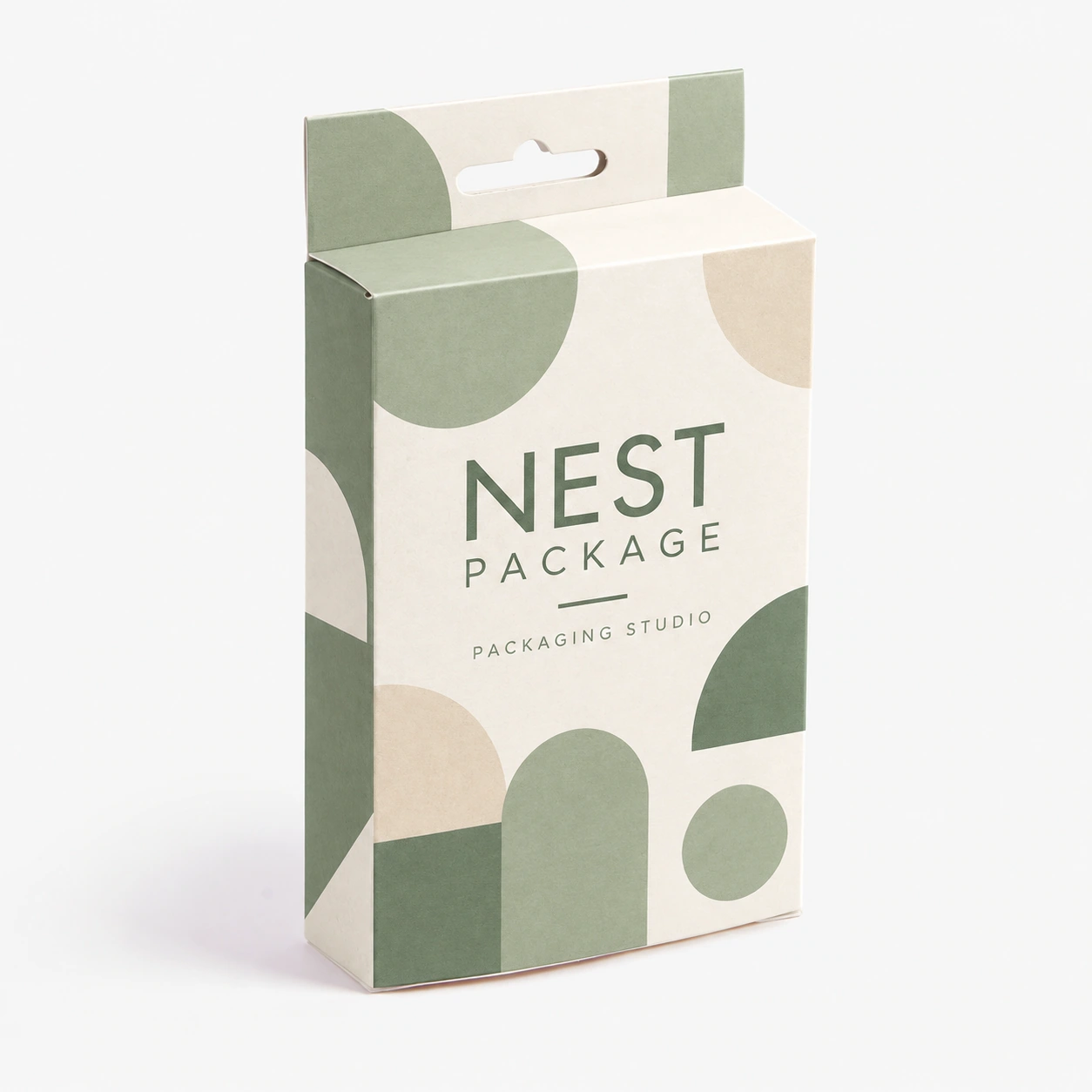
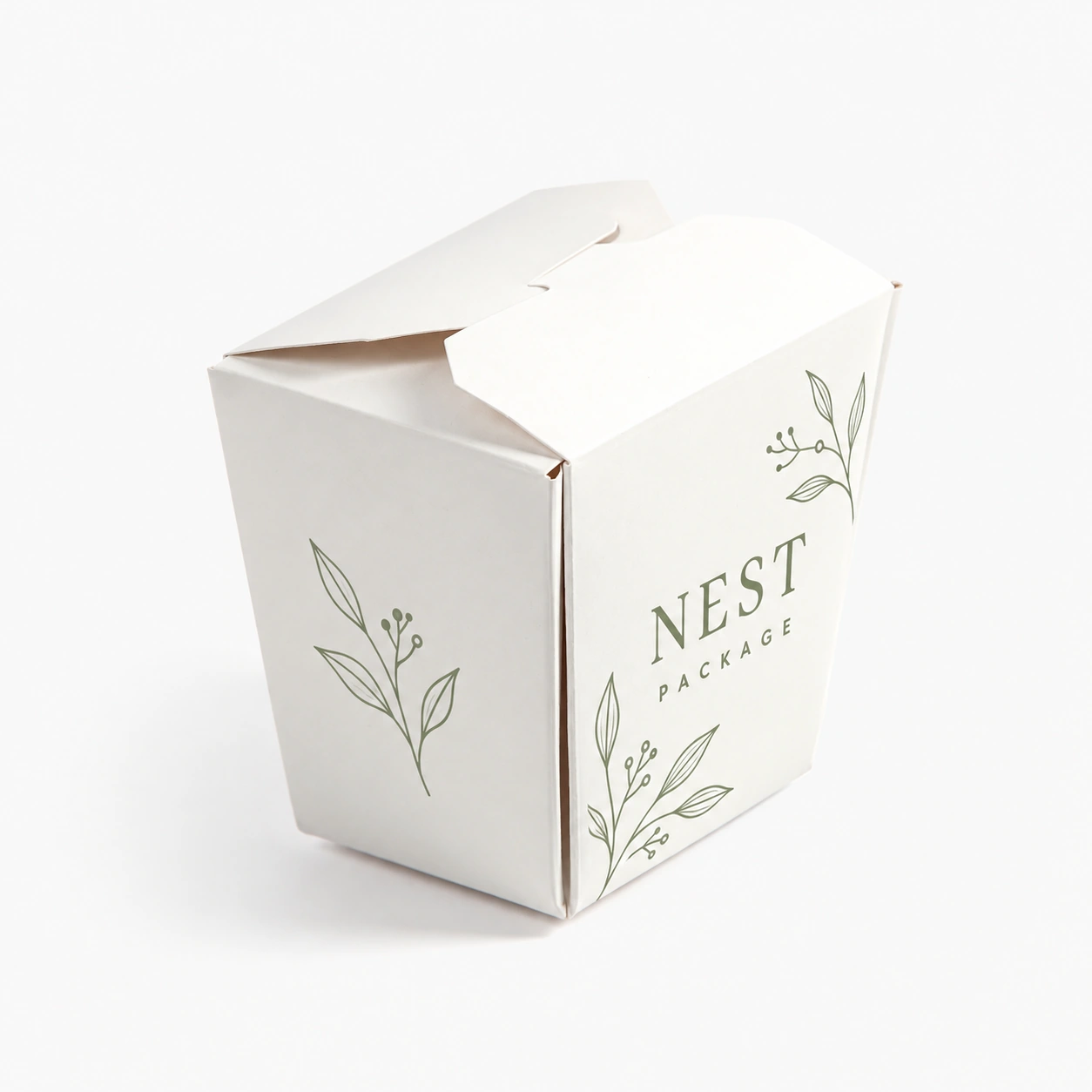
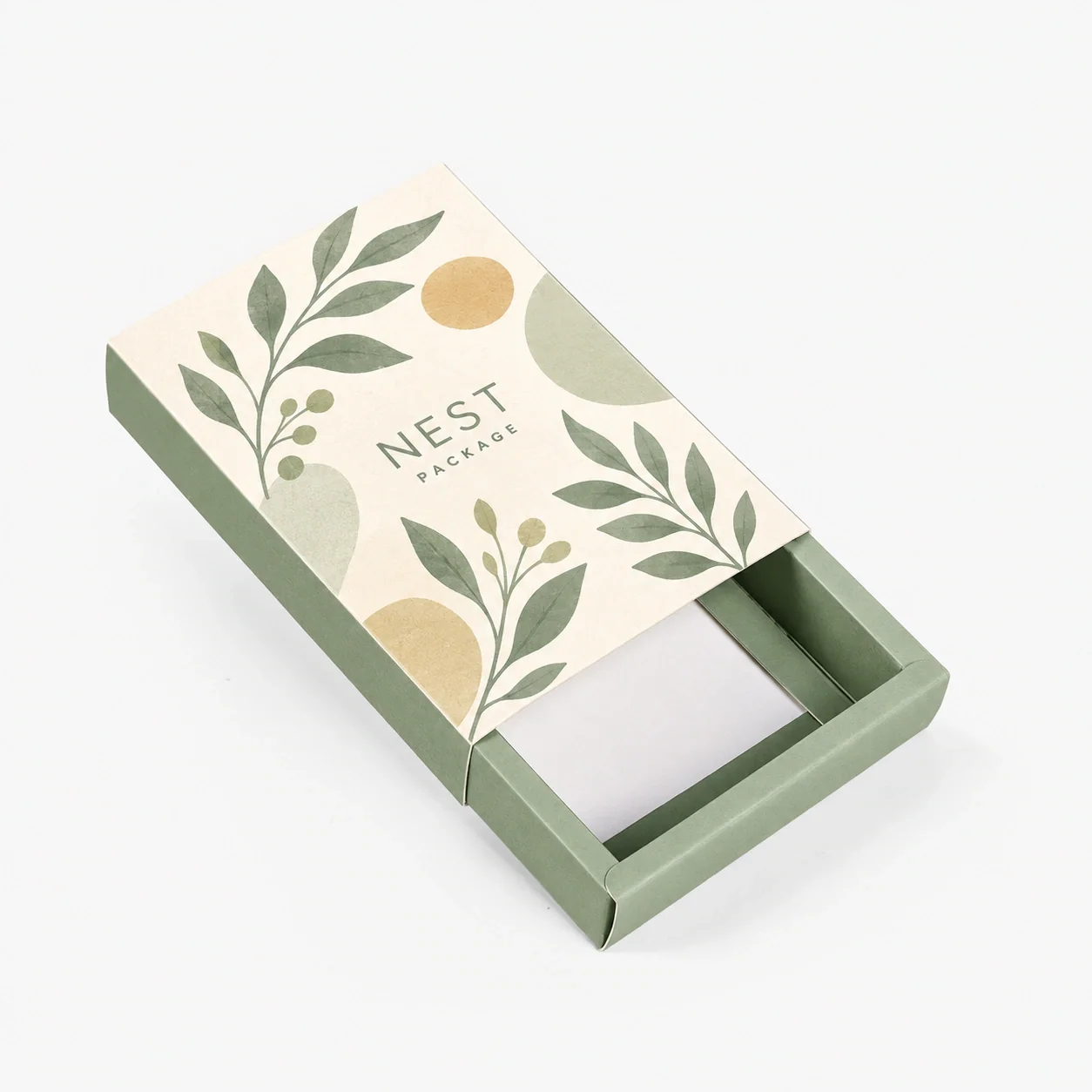
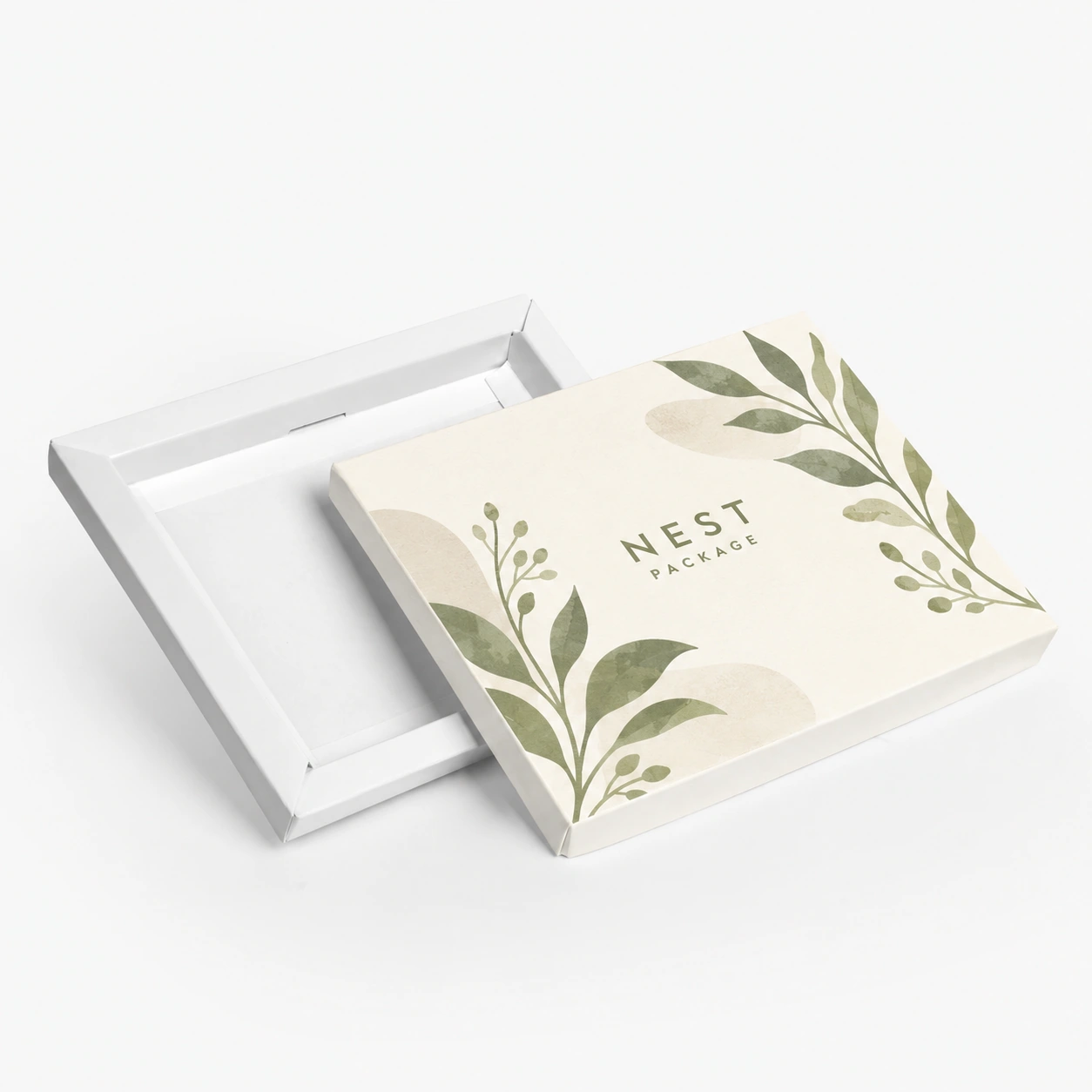
Independent packaging concepts featuring MUJI, Aesop and Nike. These visuals illustrate design possibilities and are not Nest Package client projects.
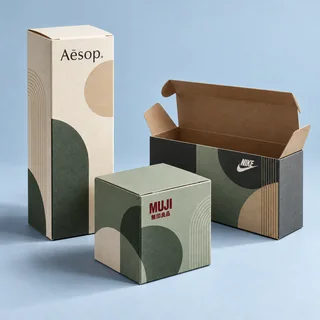 CONCEPT
Aesop · Nike · MUJI
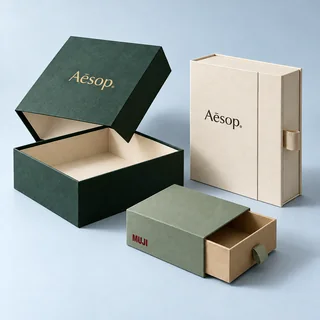 CONCEPT
Aesop · MUJI
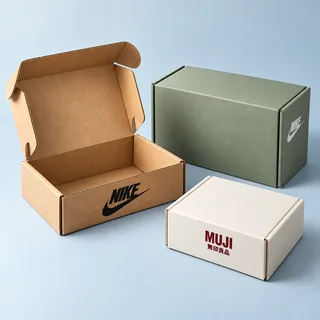 CONCEPT
Nike · MUJI
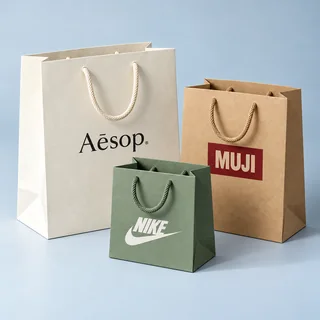 CONCEPT
Aesop · Nike · MUJI
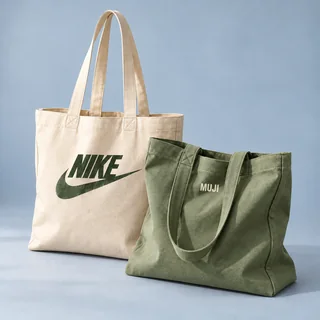 CONCEPT
Nike · MUJI
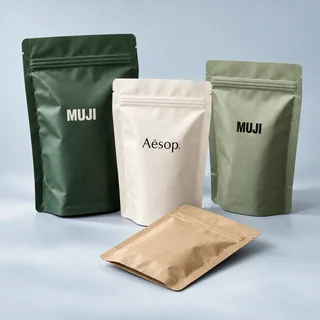 CONCEPT
Aesop · MUJI
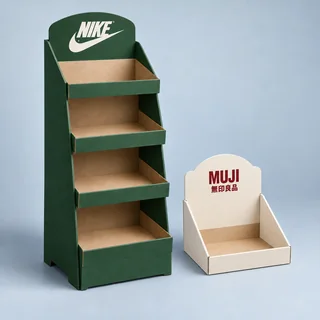 CONCEPT
Nike · MUJI
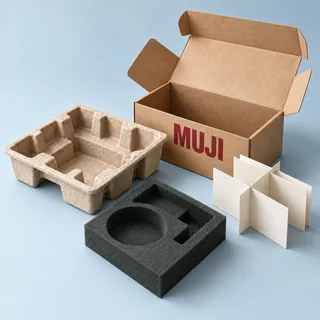 CONCEPT
MUJI
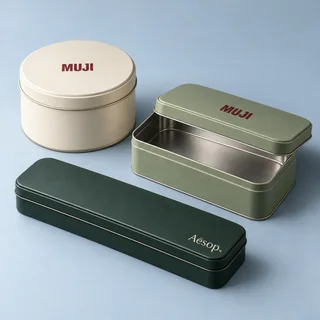 CONCEPT
Aesop · MUJI
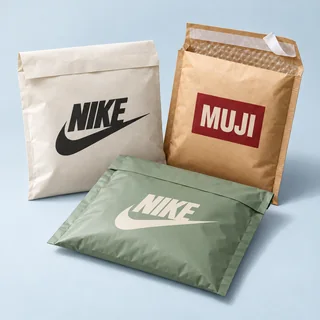 CONCEPT
Nike · MUJI
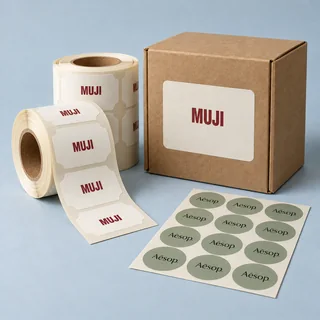 CONCEPT
Aesop · MUJI
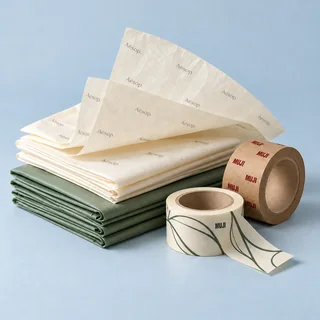 CONCEPT
Aesop · MUJI
Use these distinctions to narrow the brief. The finished specification and a suitable sample determine whether a format works for your product.
| Format or decision | When to consider it | What to check before approval |
|---|---|---|
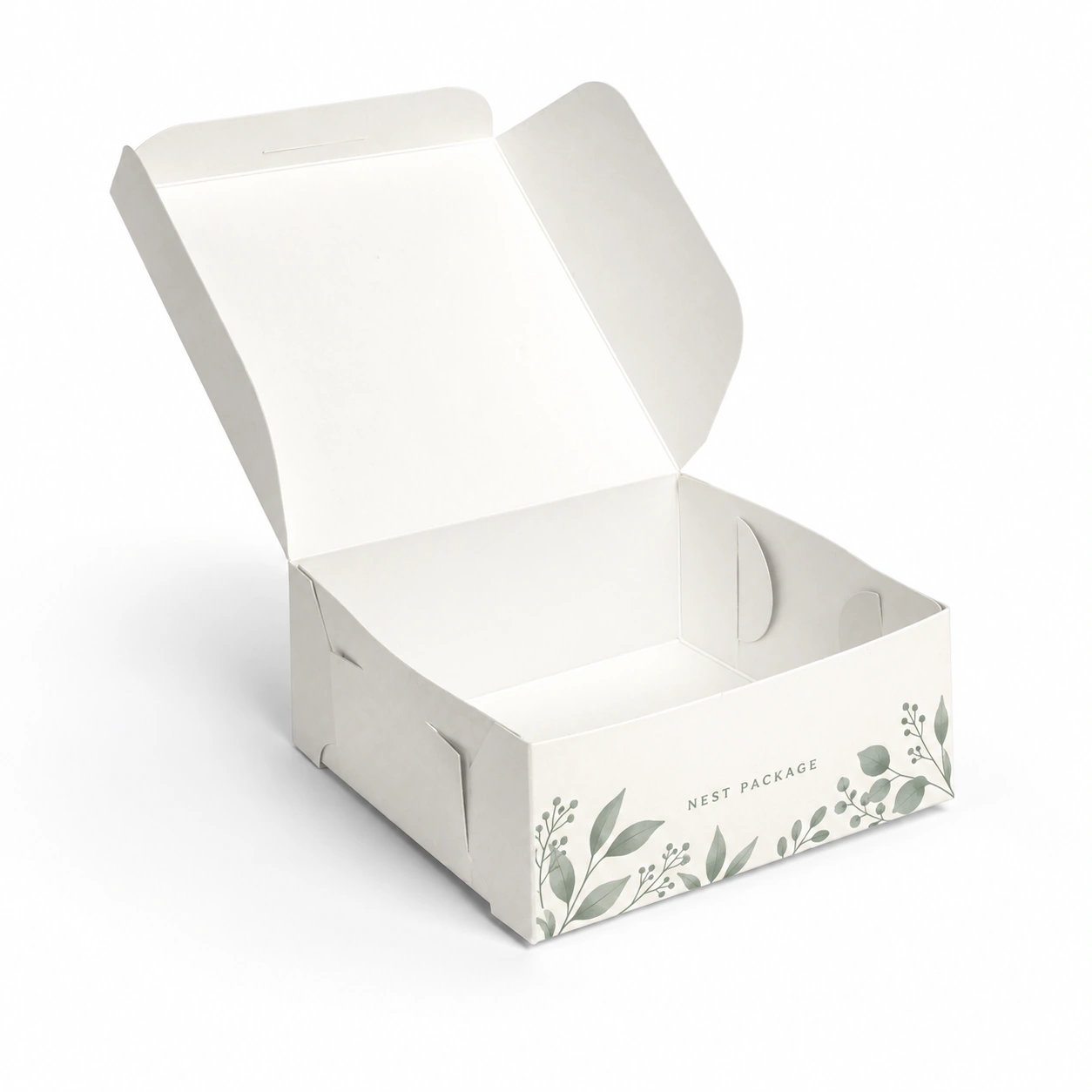
| Tuck-end carton | A retail pack with tuck flaps for opening and closing. | Review the opening direction, panel layout and product fit. |
| Auto-bottom carton | A project where base assembly affects the packing process. | Check the supplied base construction, assembly sequence and filled-product sample. |
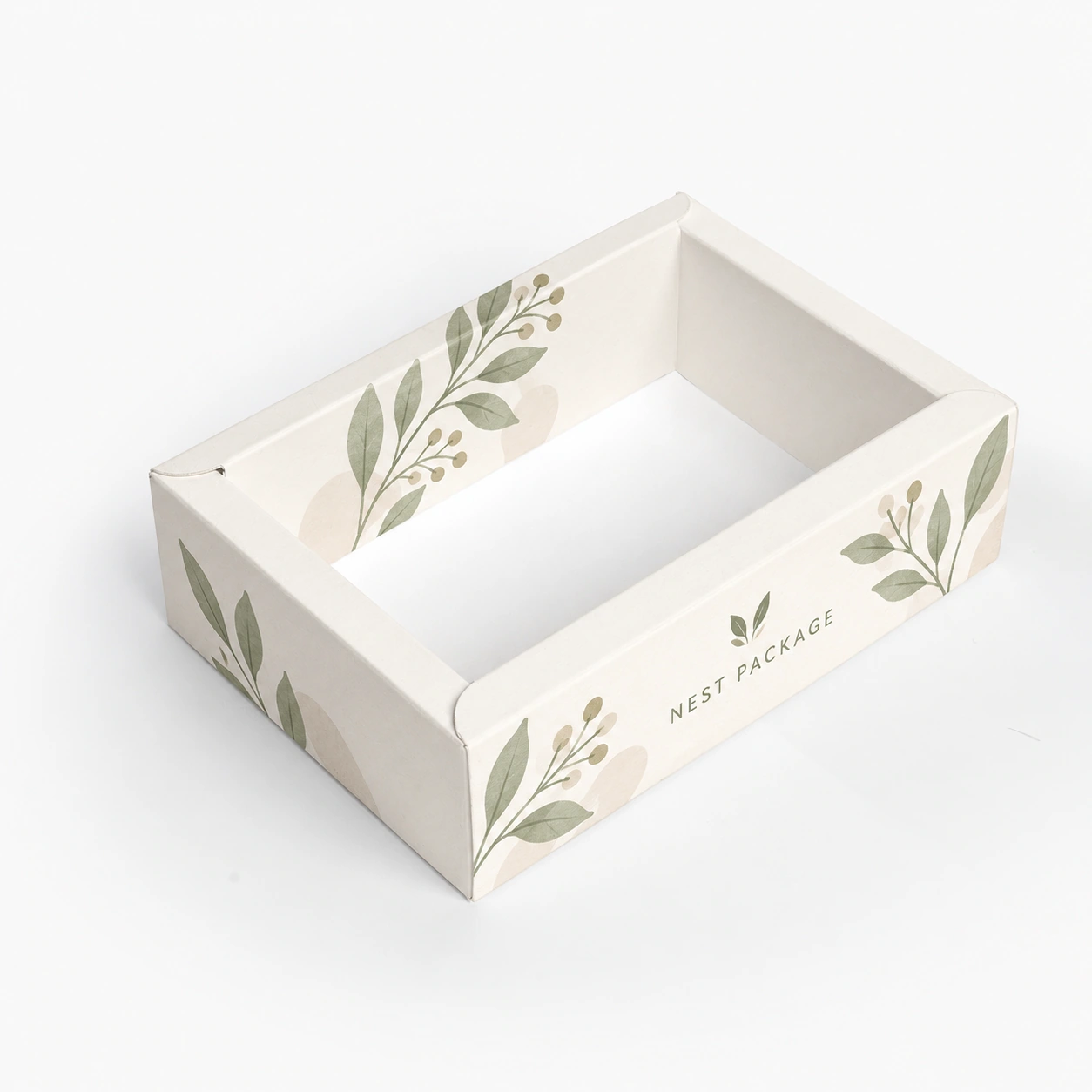
| Sleeve | A band or sliding cover used with a tray or existing container. | Measure the part it slides over and check retention and exposed edges. |
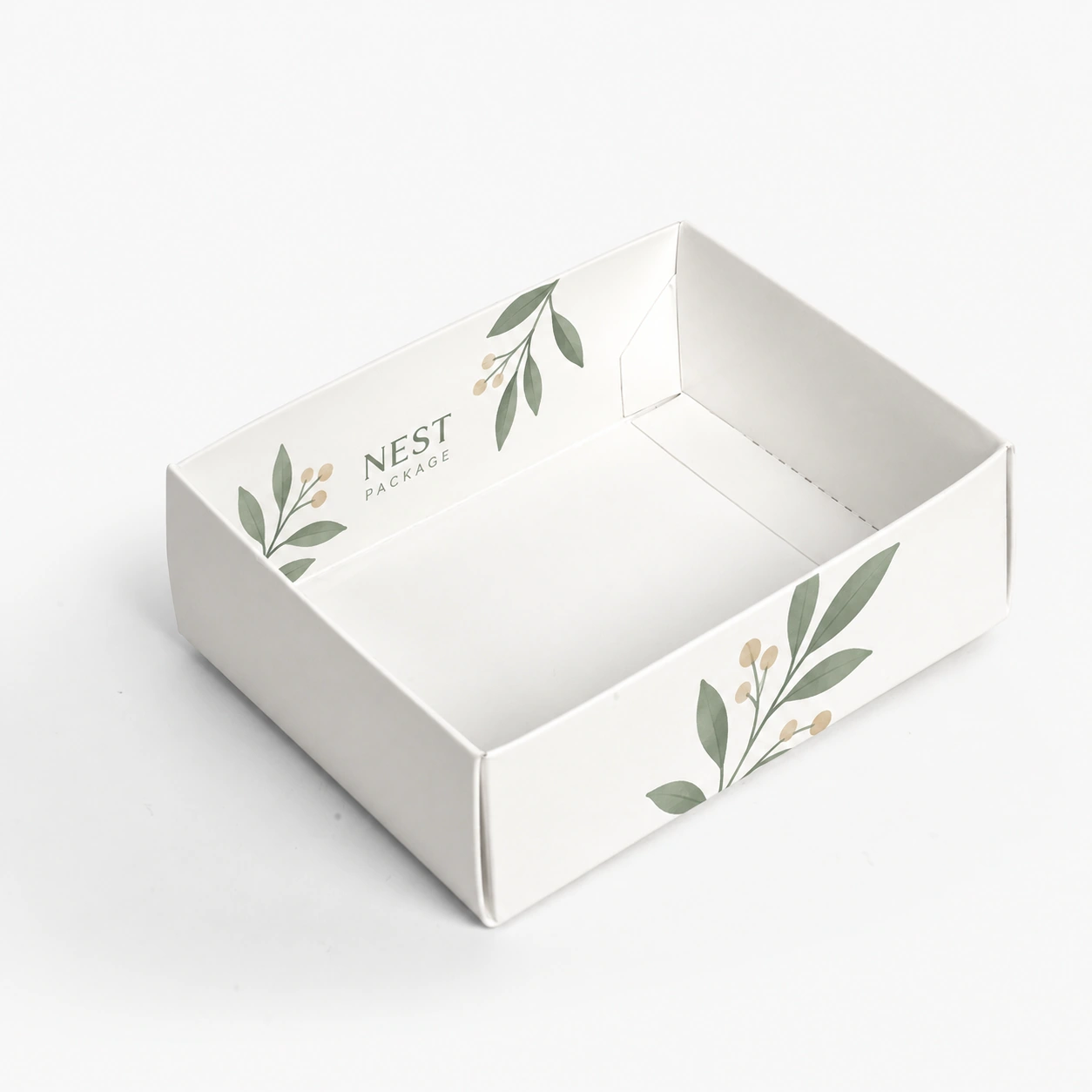
| Tray and cover | A presentation layout with accessible contents. | Confirm how contents are located and how the cover stays in position. |
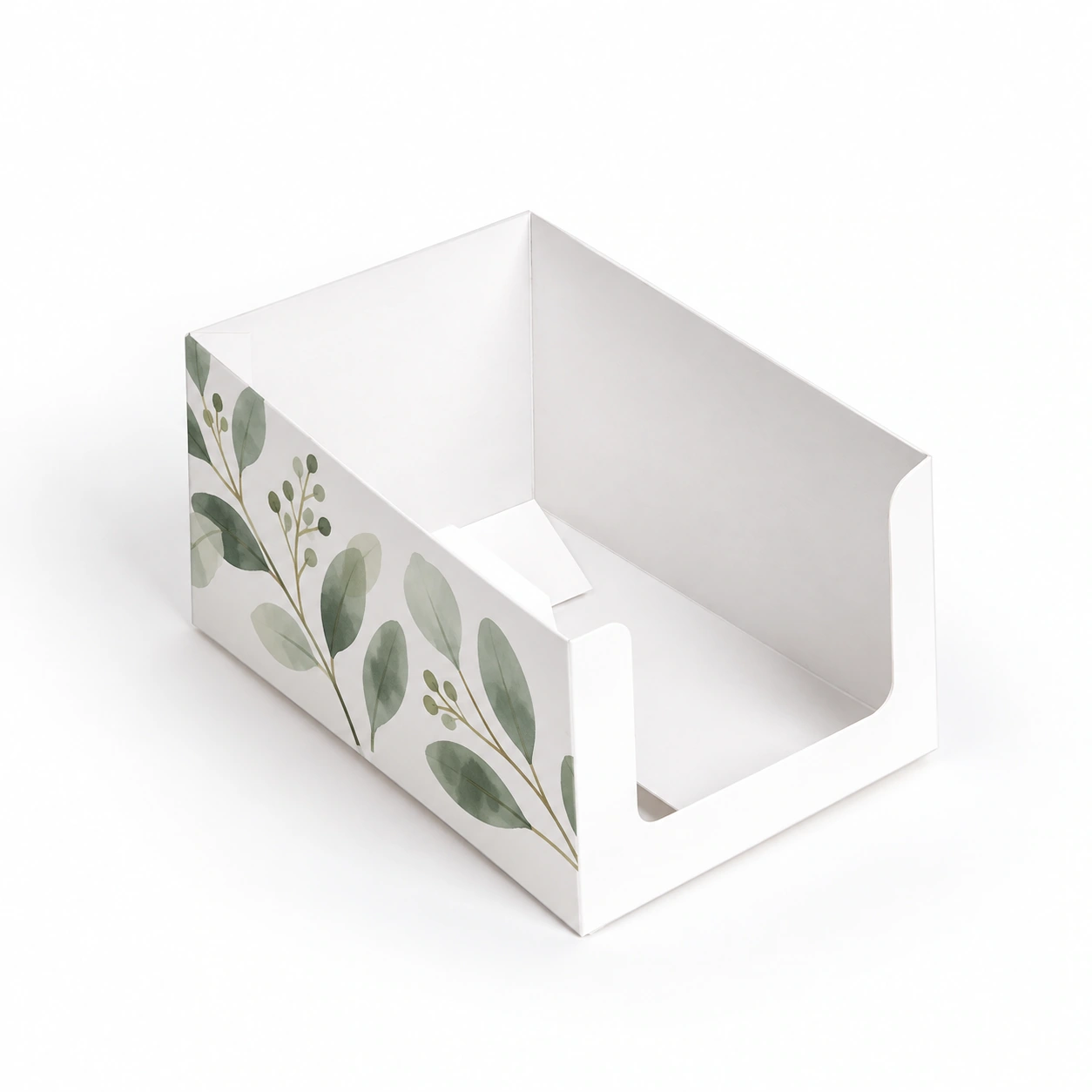
Consider how the carton is assembled, filled and closed. Product weight, shape and display orientation help determine which construction to evaluate, while artwork should follow the agreed dieline.
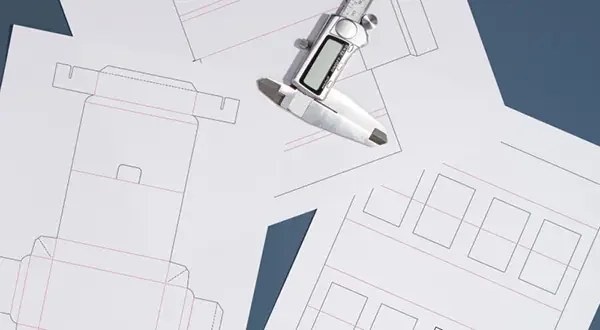
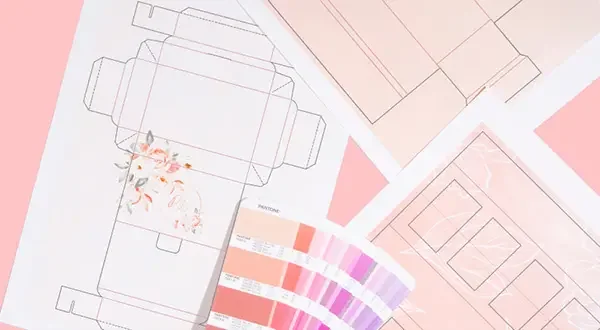
Review the proposed structure with the actual product, including folded panels and closures. Prepare artwork against the agreed dieline and confirm which areas are printed, glued or left clear.
Include the requested quantity, artwork status and delivery destination. Confirm available materials, sample requirements, pricing and timing in the written quotation.
Product measurements describe the contents. The carton needs an agreed internal space and structural allowances. Provide the product measurements and state clearly whether any requested box size is internal or external.
Published by Nest Package. Updated . Confirm project-specific details in the written quotation.