









Packaging design
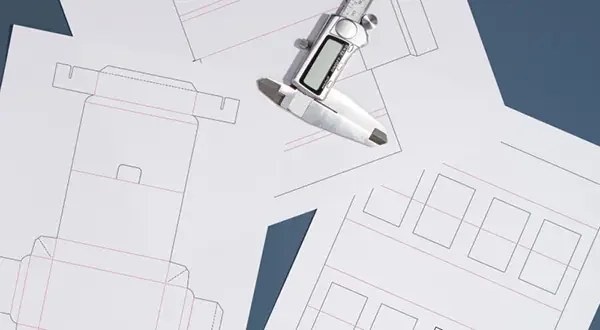
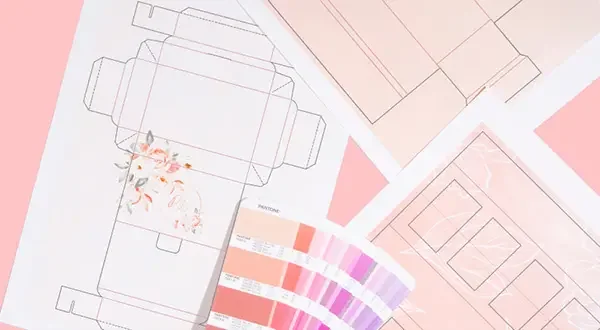
Shape the structure around your product, then review the artwork, opening experience and material choices.
Explore designCompare these formats against your project brief, including product arrangement, filled product weight, insert clearance.
Review the options with the chosen structure. Confirm the exact material, appearance and supporting documentation for your project.

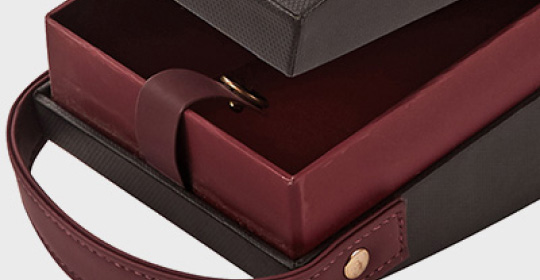
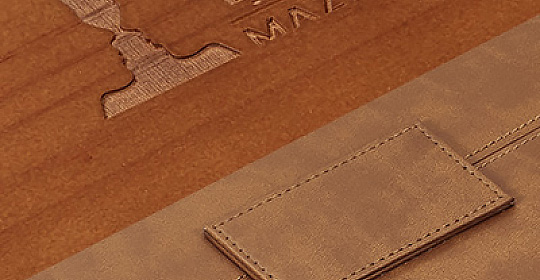

THE NEST PACKAGE APPROACH
Bring the design, production and delivery details together, with clear decisions at each stage of your packaging project.
Explore packaging services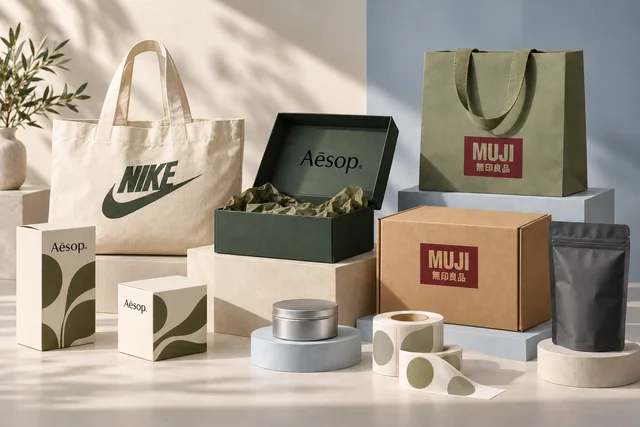
Shape the structure around your product, then review the artwork, opening experience and material choices.
Explore designAgree on quantities, materials and finishes. Review sample requirements and approval steps before the production run.
Plan your samplesShare your destination and arrival date so packing, shipping options and delivery terms can be discussed together.
Plan delivery detailsSet the checks that matter for your pack: fit, print, construction and any project-specific documentation.
Review the checklistProduct dimensions, quantity and delivery destination are a useful first step.
FAMILIAR BRANDS. DIFFERENT FORMATS.
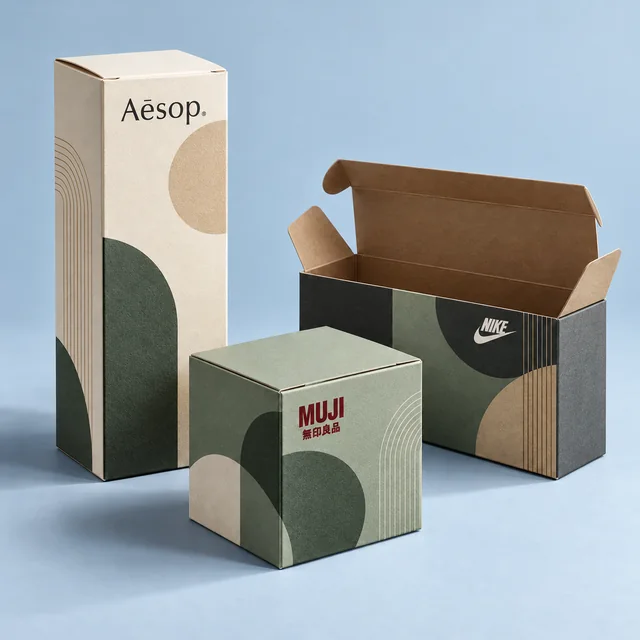
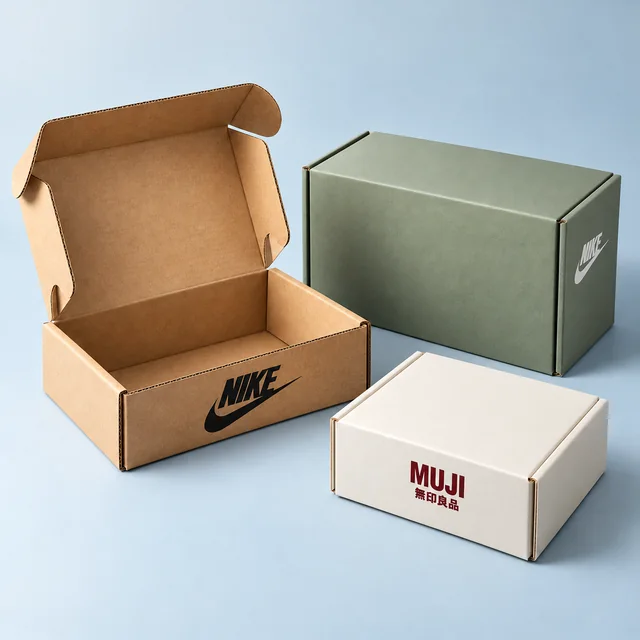
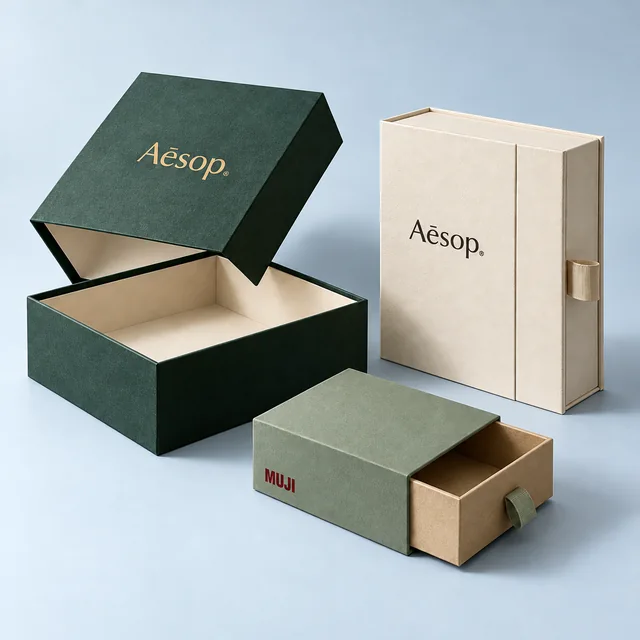
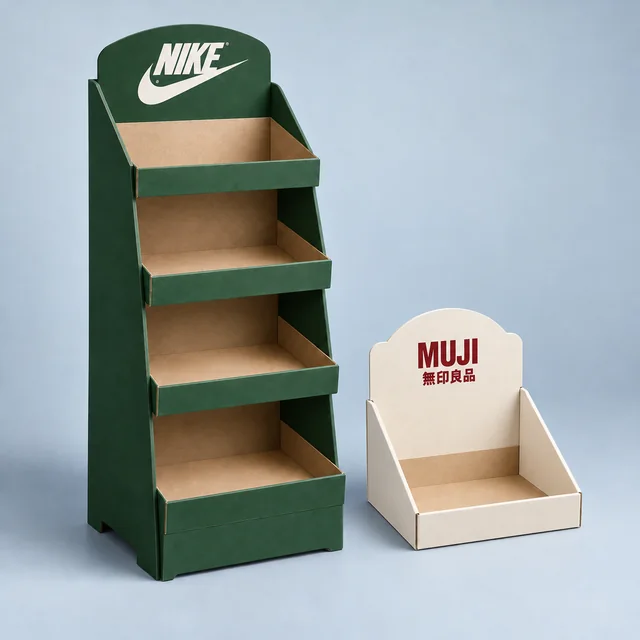
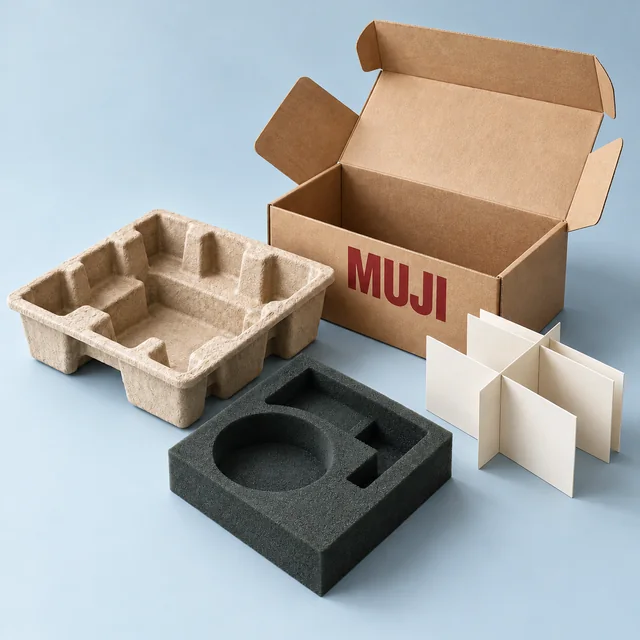
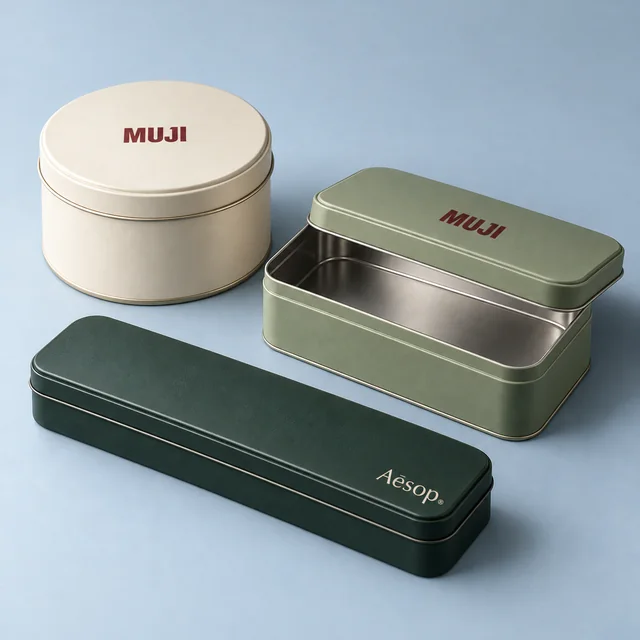
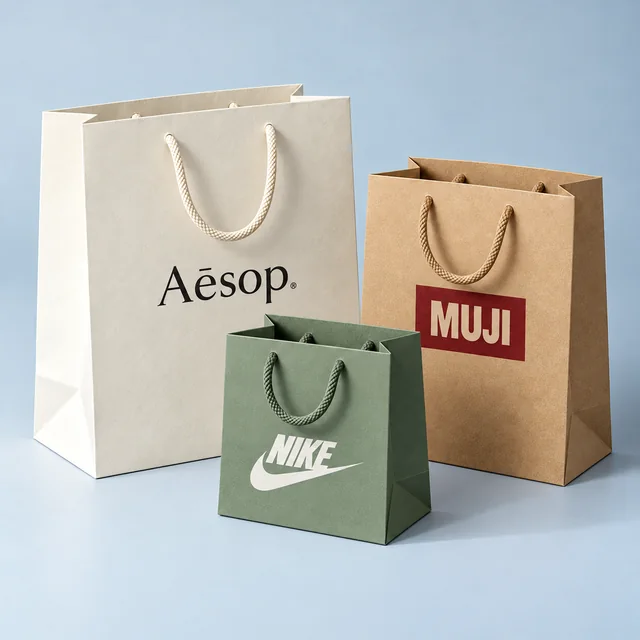
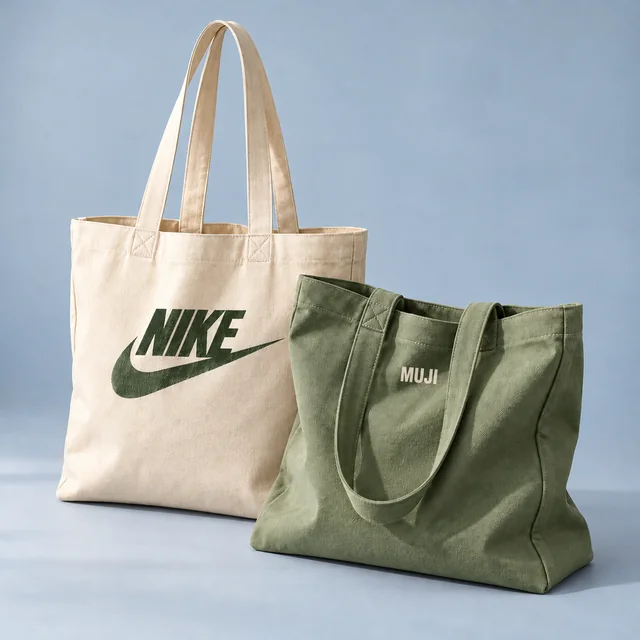
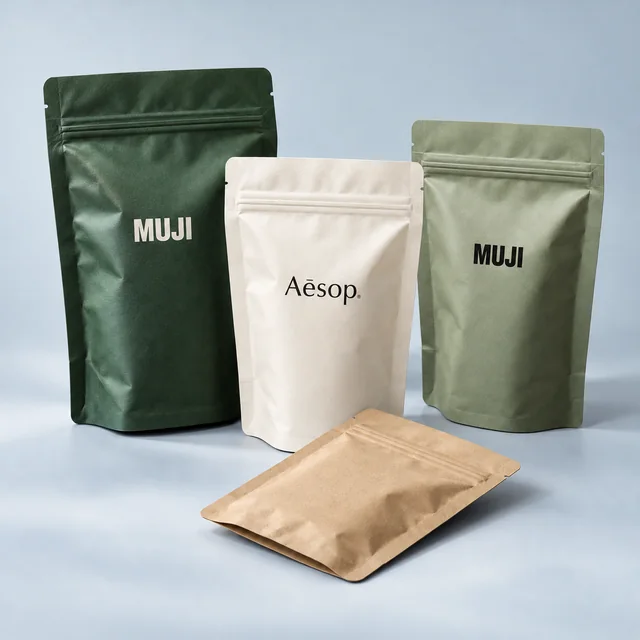
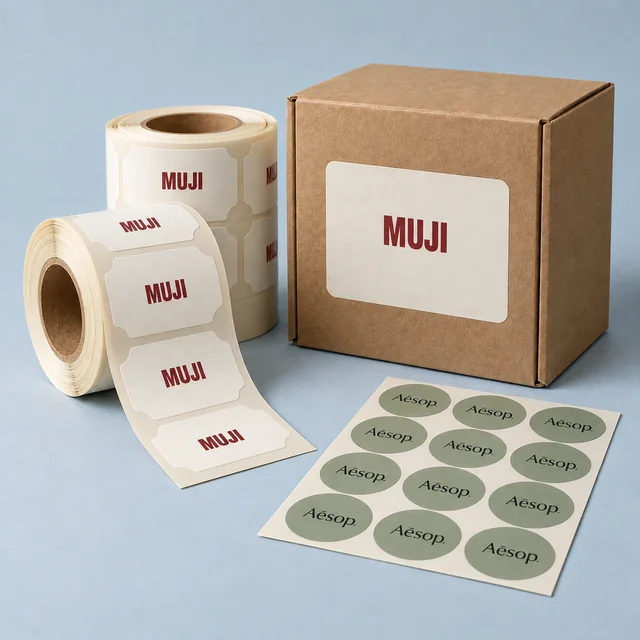
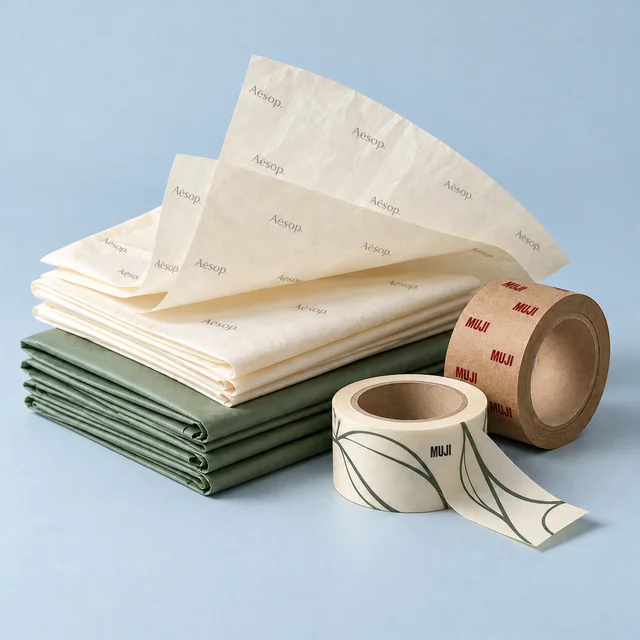
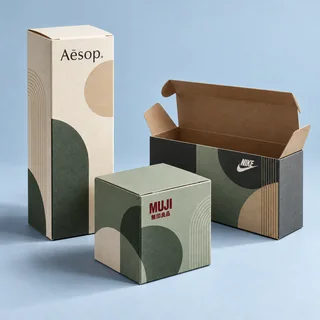
Independent packaging concepts featuring MUJI, Aesop and Nike. These visuals illustrate design possibilities and are not Nest Package client projects.
 CONCEPT
Aesop · Nike · MUJI
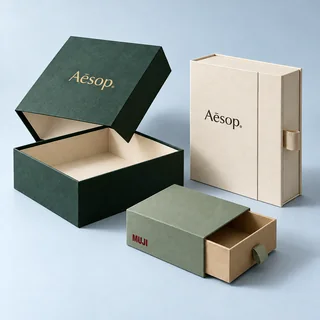 CONCEPT
Aesop · MUJI
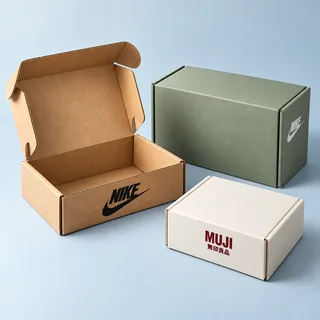 CONCEPT
Nike · MUJI
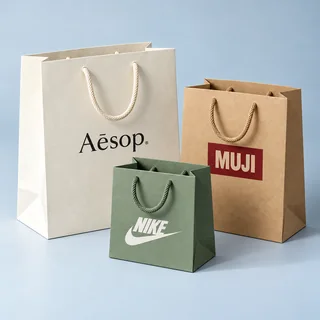 CONCEPT
Aesop · Nike · MUJI
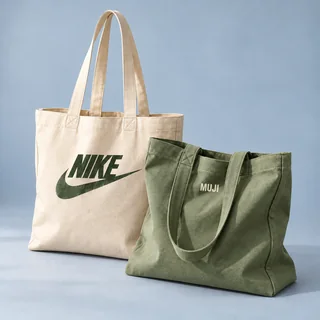 CONCEPT
Nike · MUJI
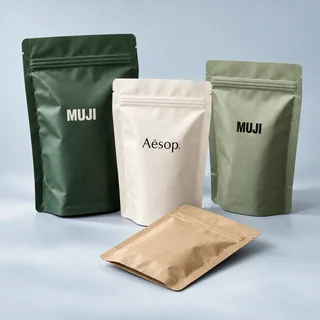 CONCEPT
Aesop · MUJI
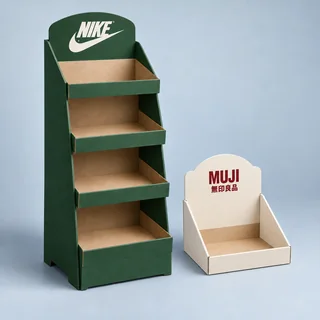 CONCEPT
Nike · MUJI
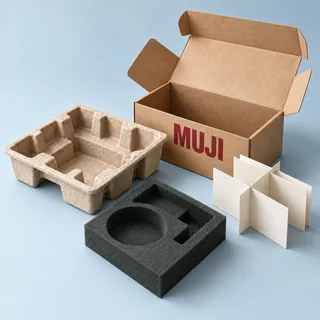 CONCEPT
MUJI
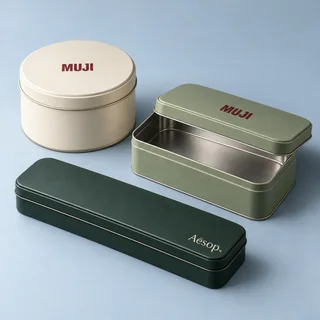 CONCEPT
Aesop · MUJI
 CONCEPT
Nike · MUJI
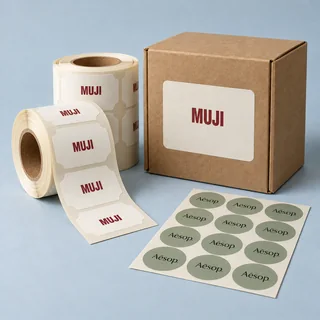 CONCEPT
Aesop · MUJI
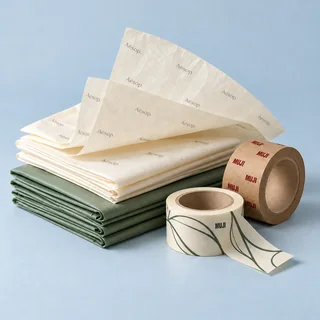 CONCEPT
Aesop · MUJI
Use these distinctions to narrow the brief. The finished specification and a suitable sample determine whether a format works for your product.
| Format or decision | When to consider it | What to check before approval |
|---|---|---|
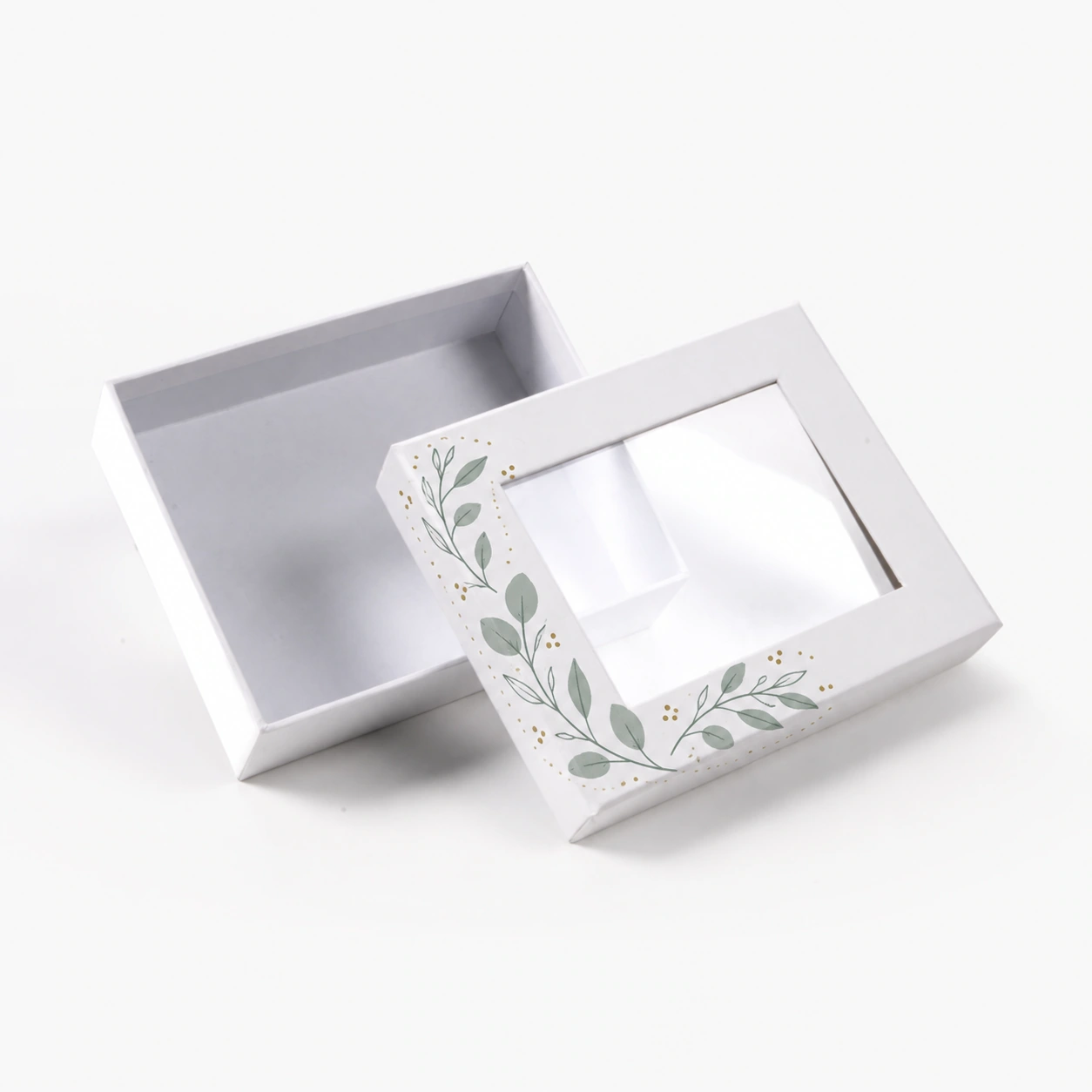
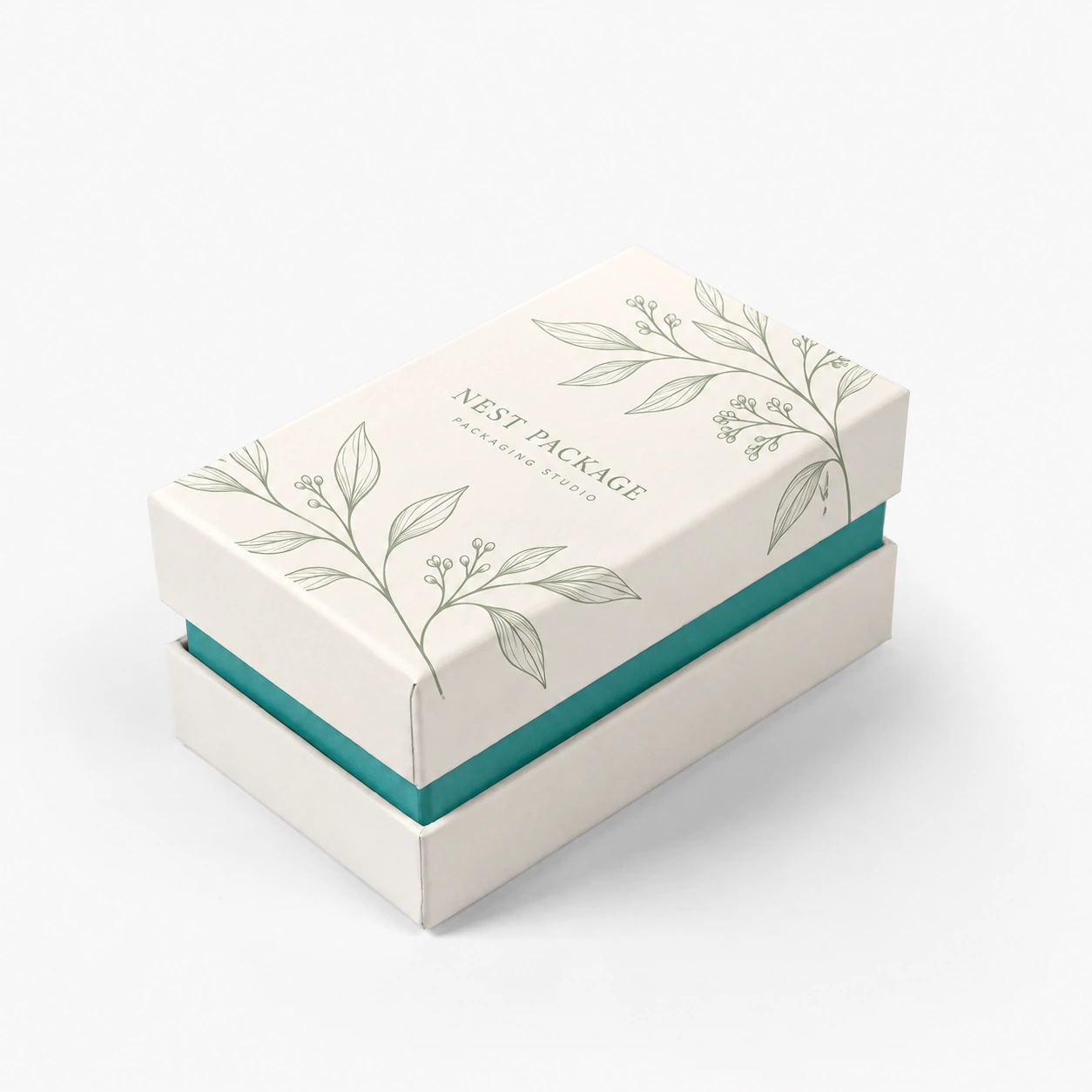
| Lift-off lid | A separate lid and base for gift presentation. | Check lid overlap, opening clearance and how the insert holds the contents. |
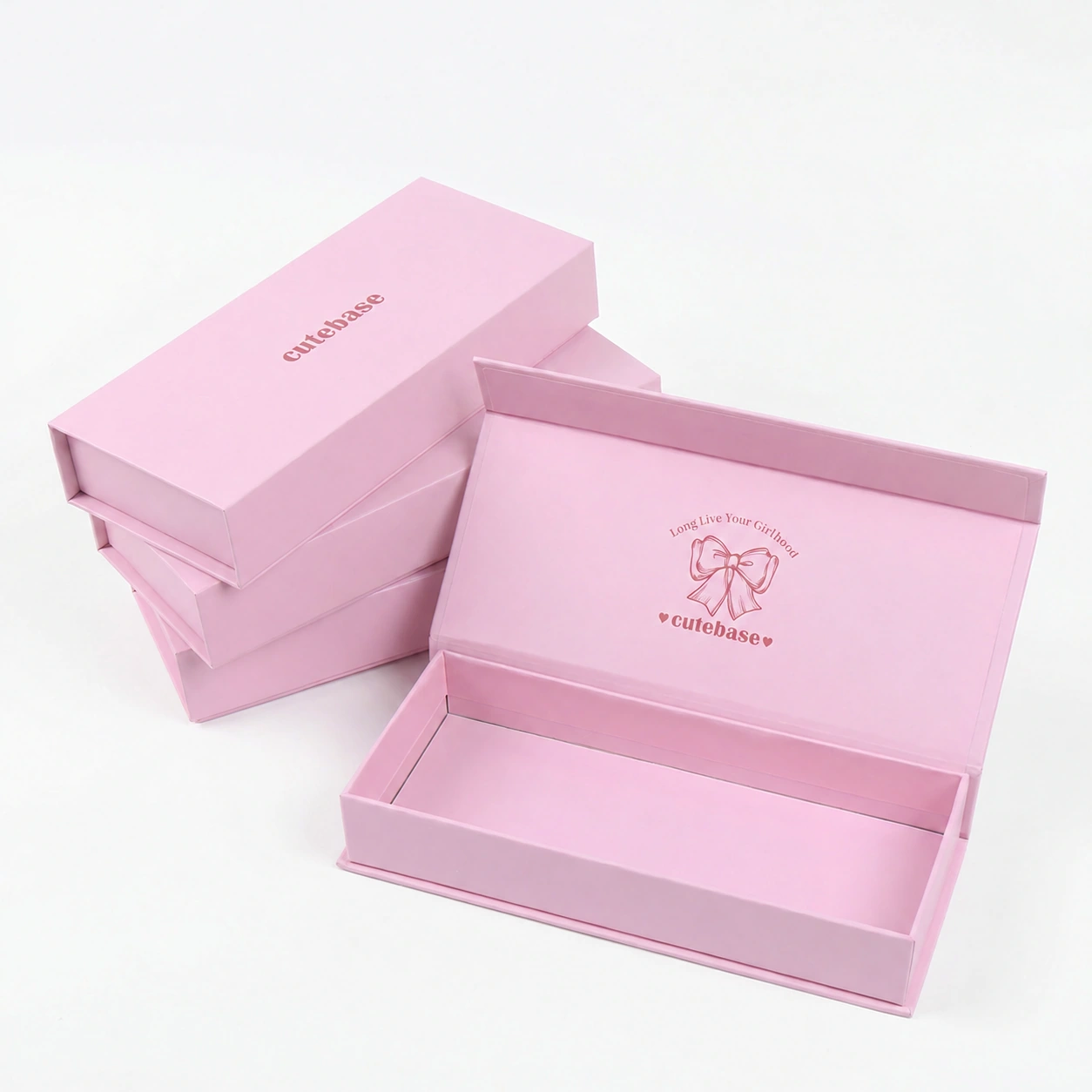
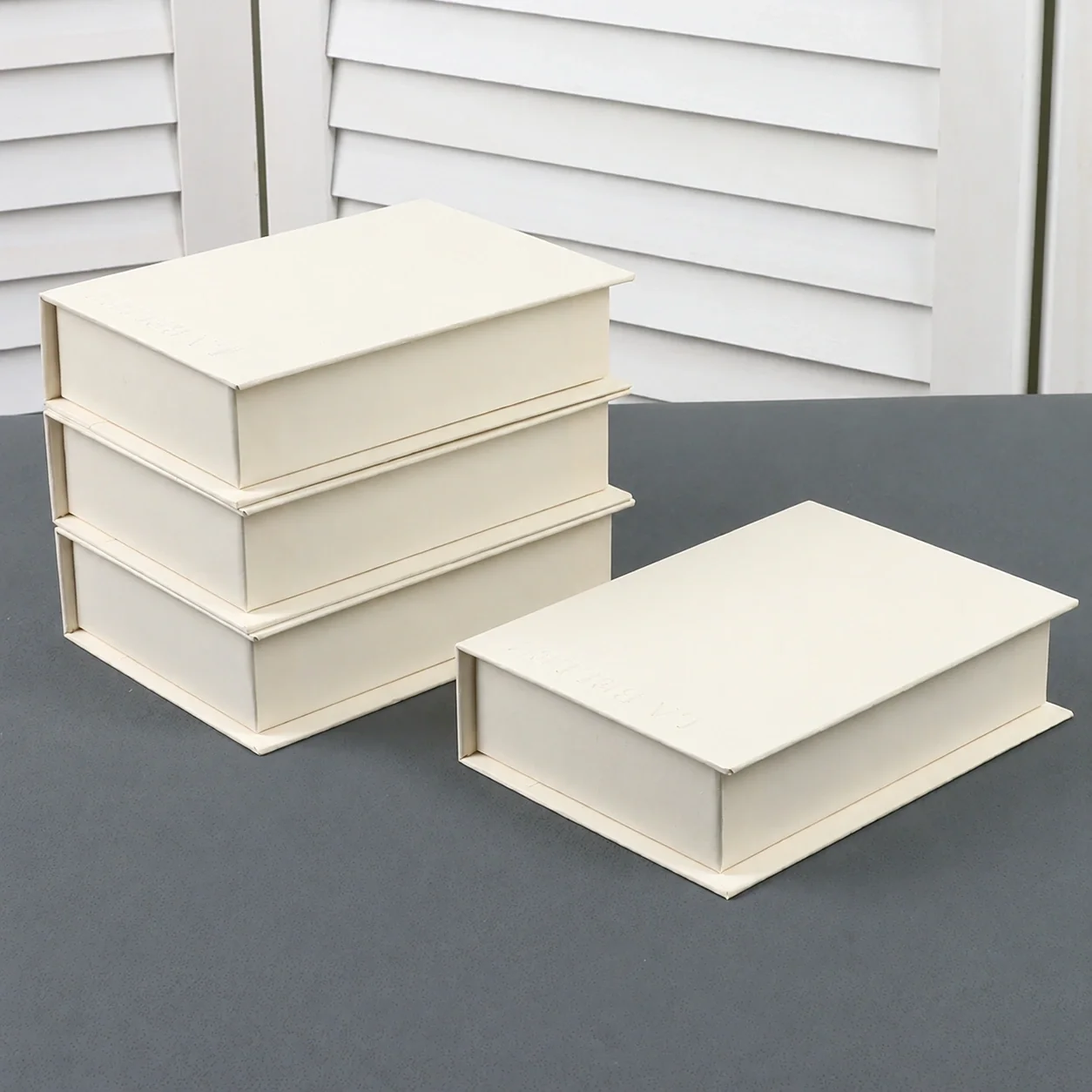
| Book-style or hinged lid | An attached lid when the opening sequence is part of the presentation. | Check hinge movement, closure alignment and access to each item. |
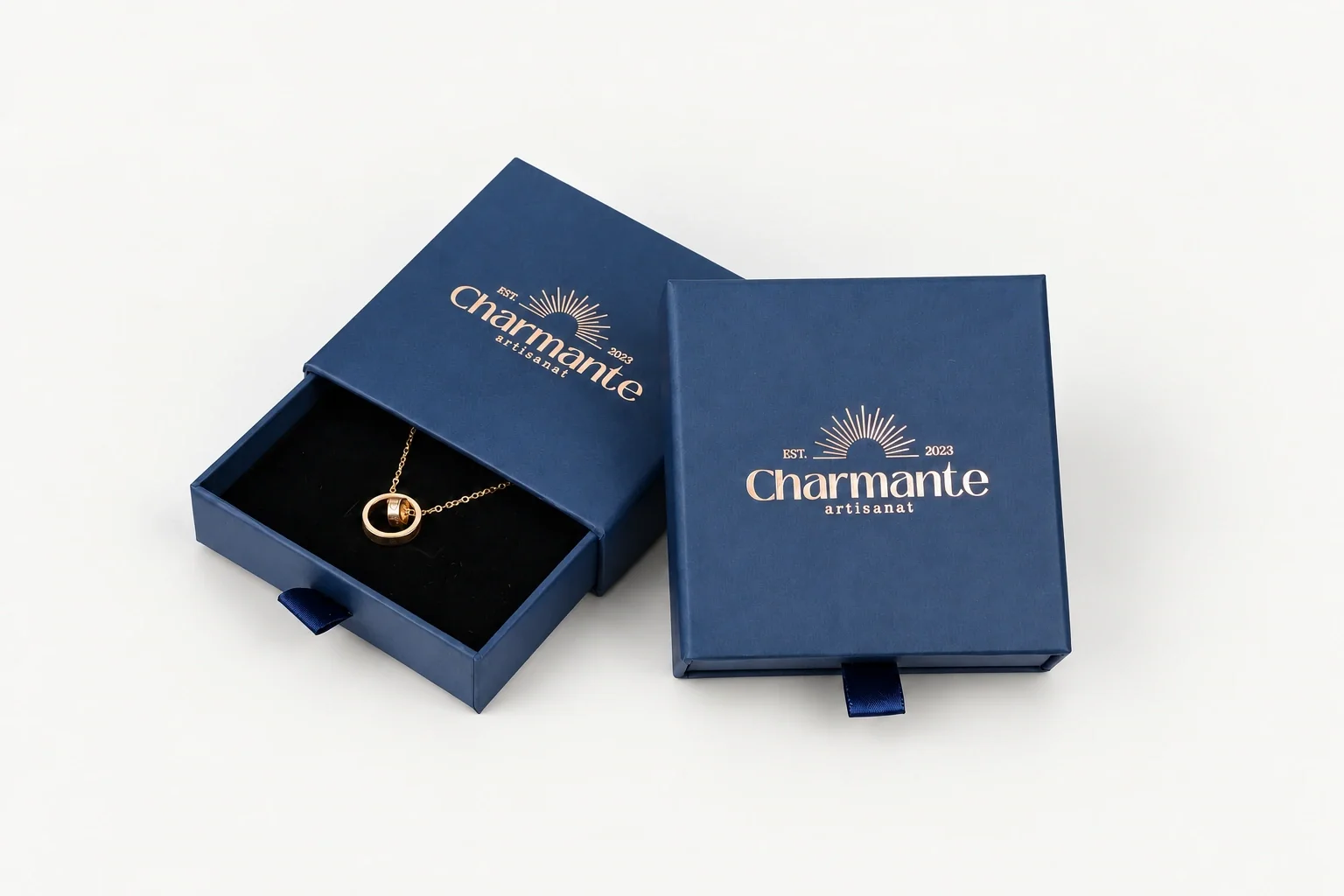
| Drawer or slide box | A sliding tray for a reveal-style opening. | Check sliding clearance, the pull feature and how the tray is retained. |
| Collapsible rigid box | A format to evaluate when storage before assembly matters. | Confirm flat-packed dimensions, assembly steps and the assembled sample. |
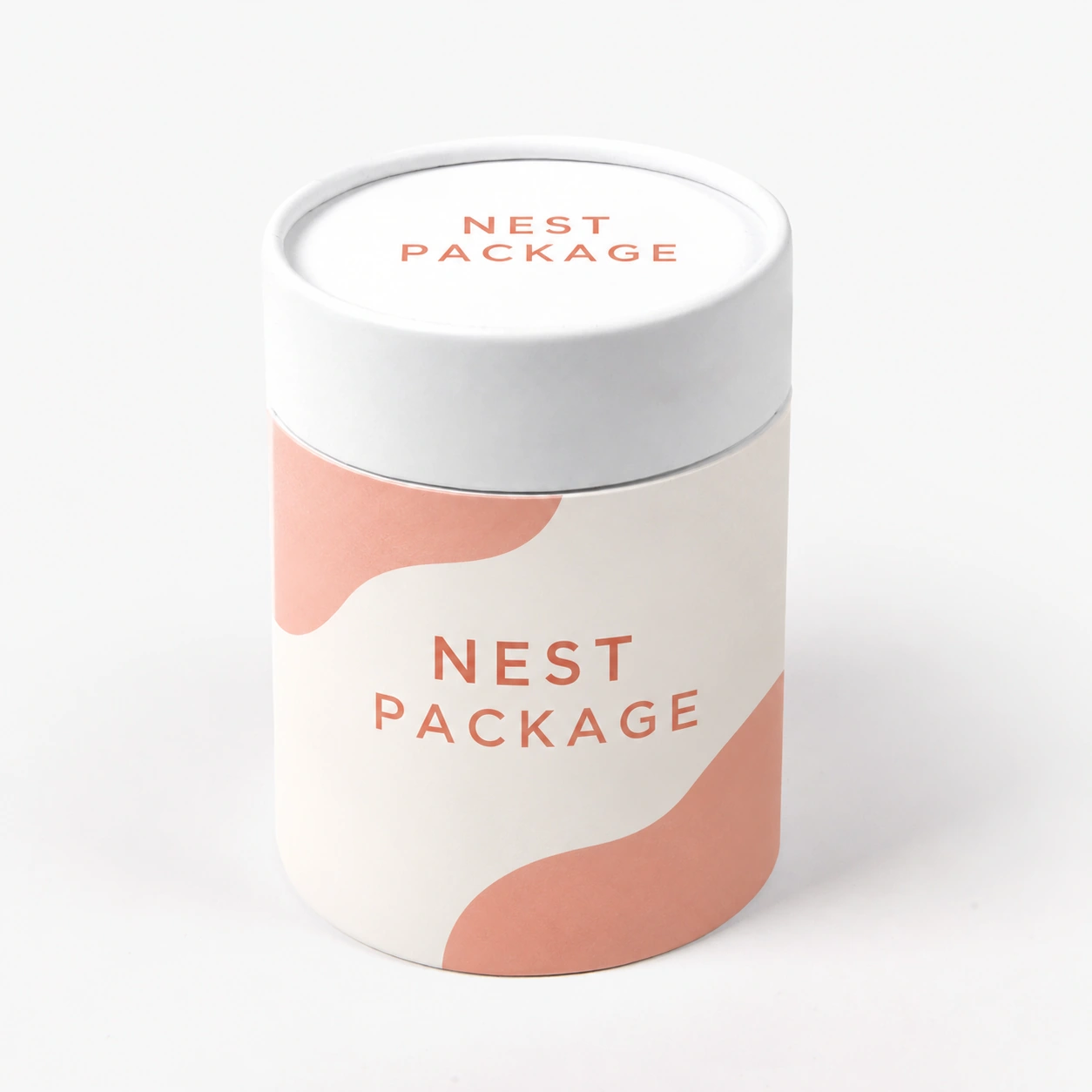
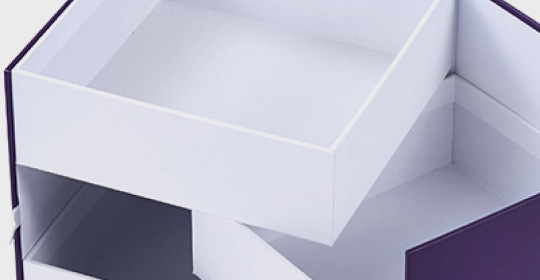
A lift-off lid separates from the base; a hinged box keeps the lid attached; a drawer box slides out of a sleeve. Magnetic closures and collapsible constructions offer other ways to organize the opening experience. Choose the format around product access, packing steps and the space available for storage.
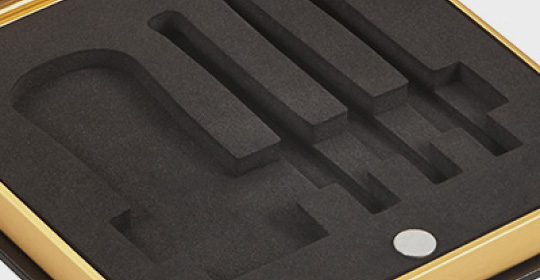
Provide the dimensions and weight of every item in the set. Allow room for the intended insert, easy removal and any separate accessories. State whether the box will be displayed alone, packed into a shipping carton or handed directly to a customer.
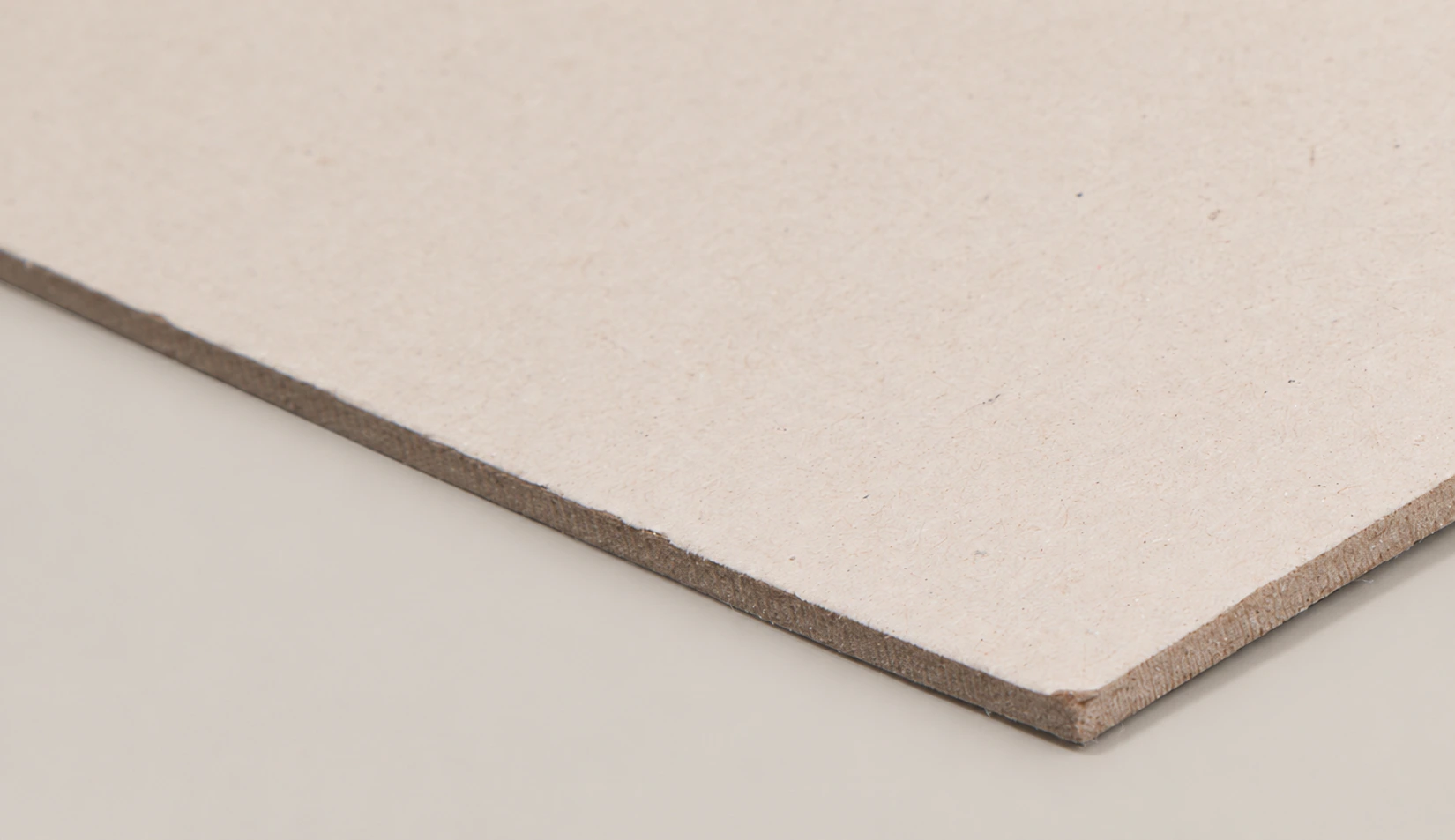
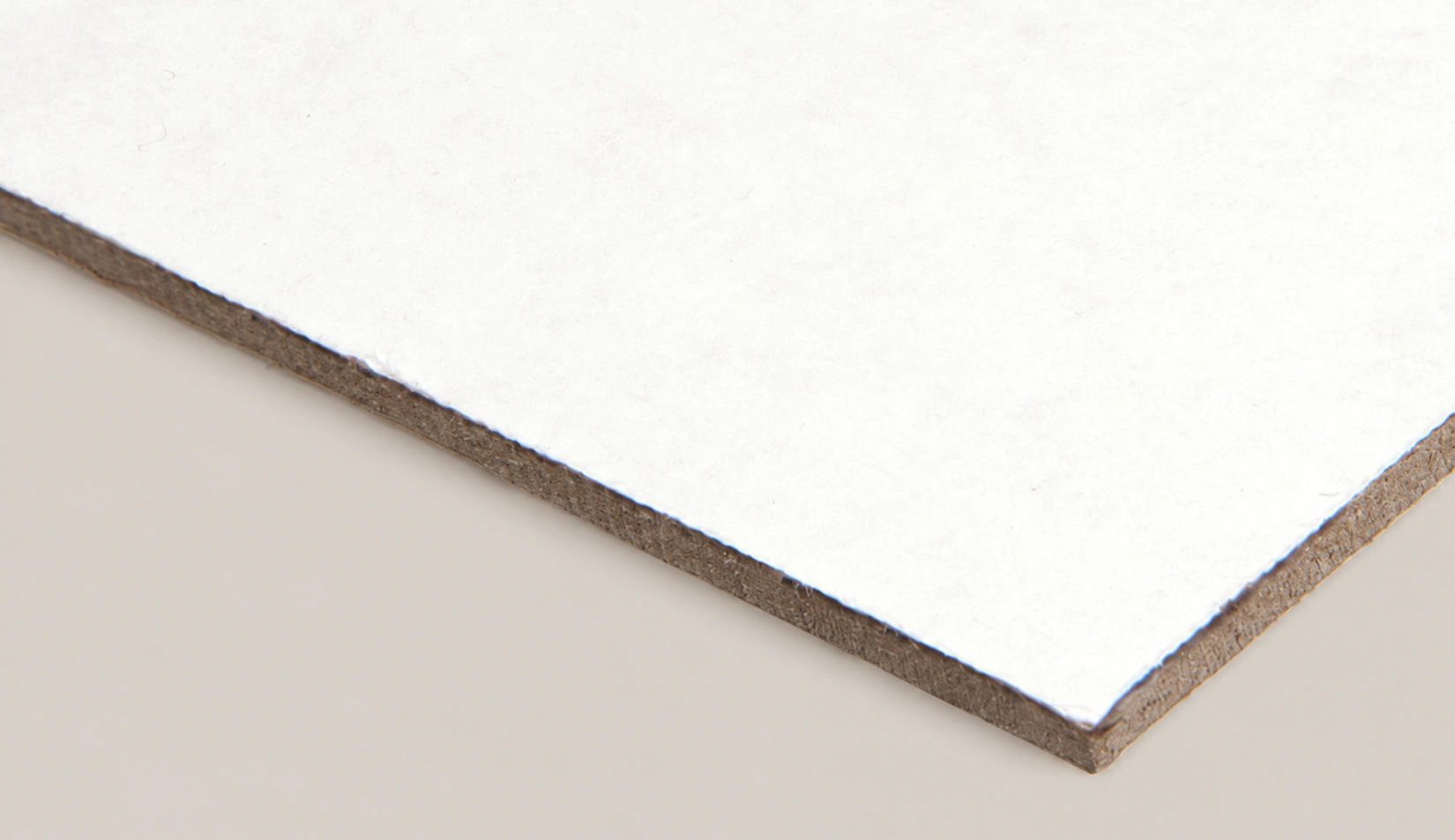
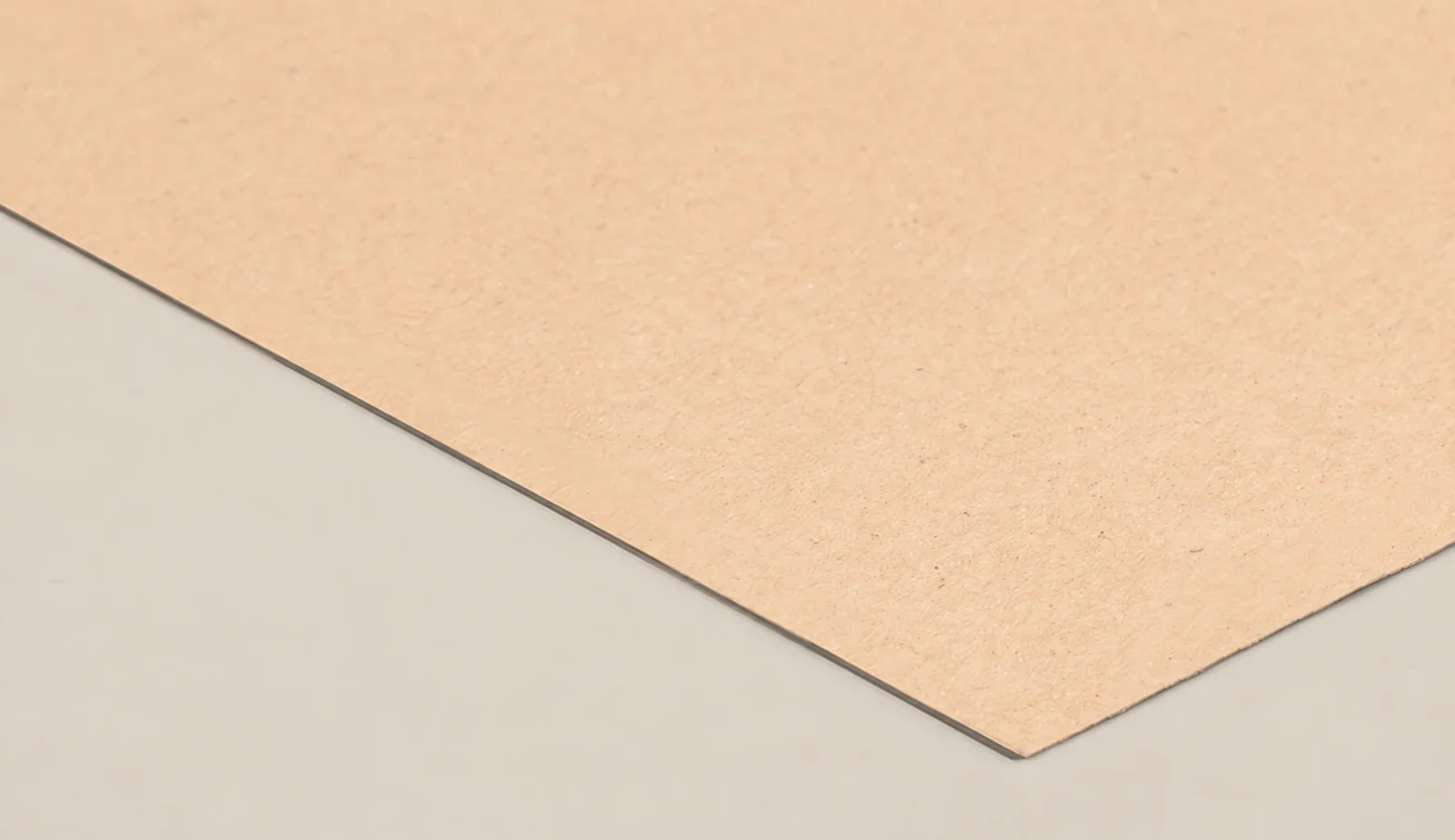
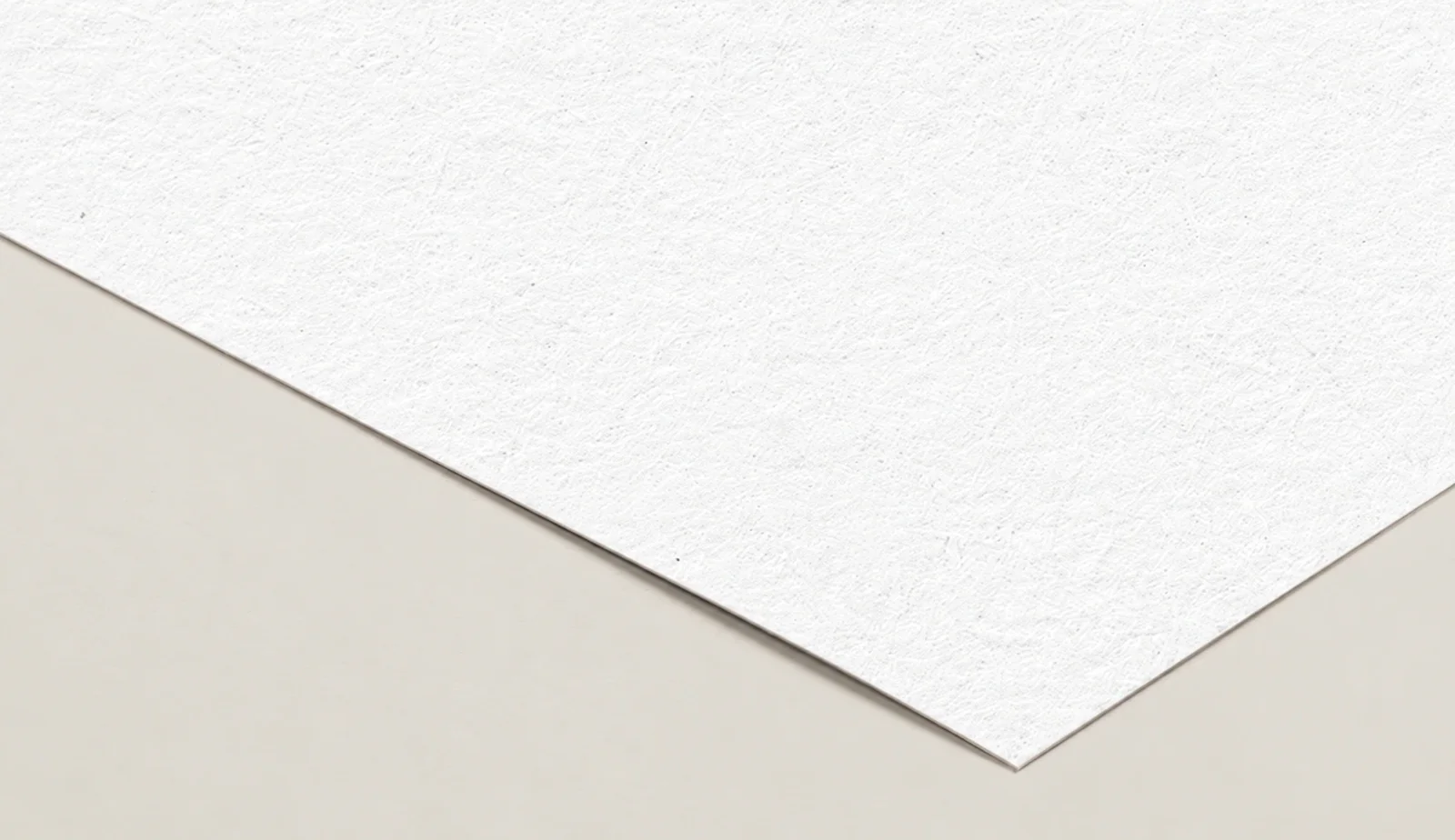
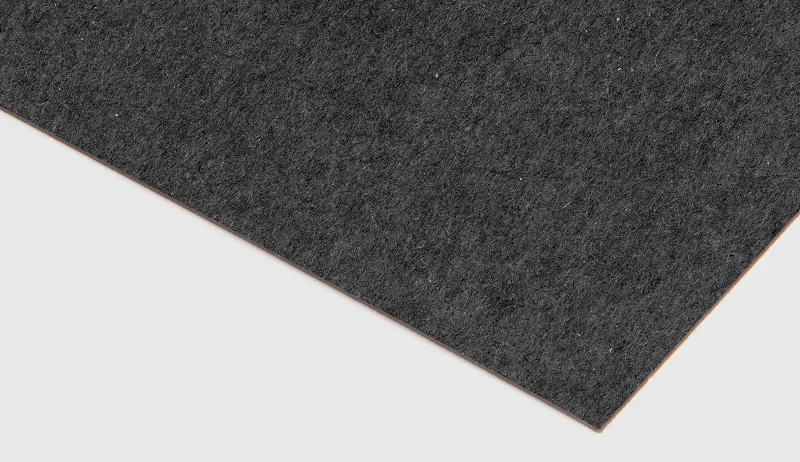
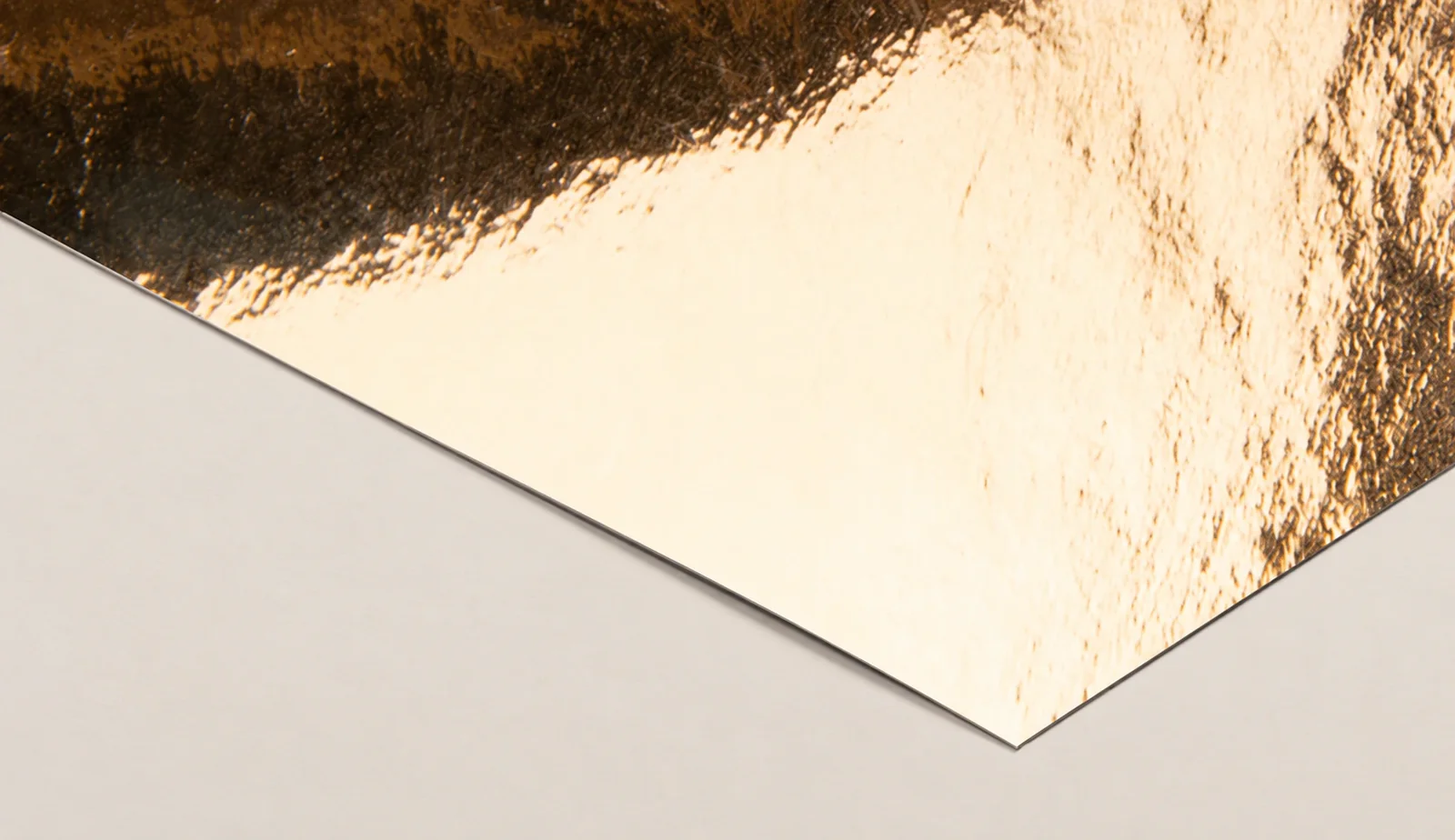
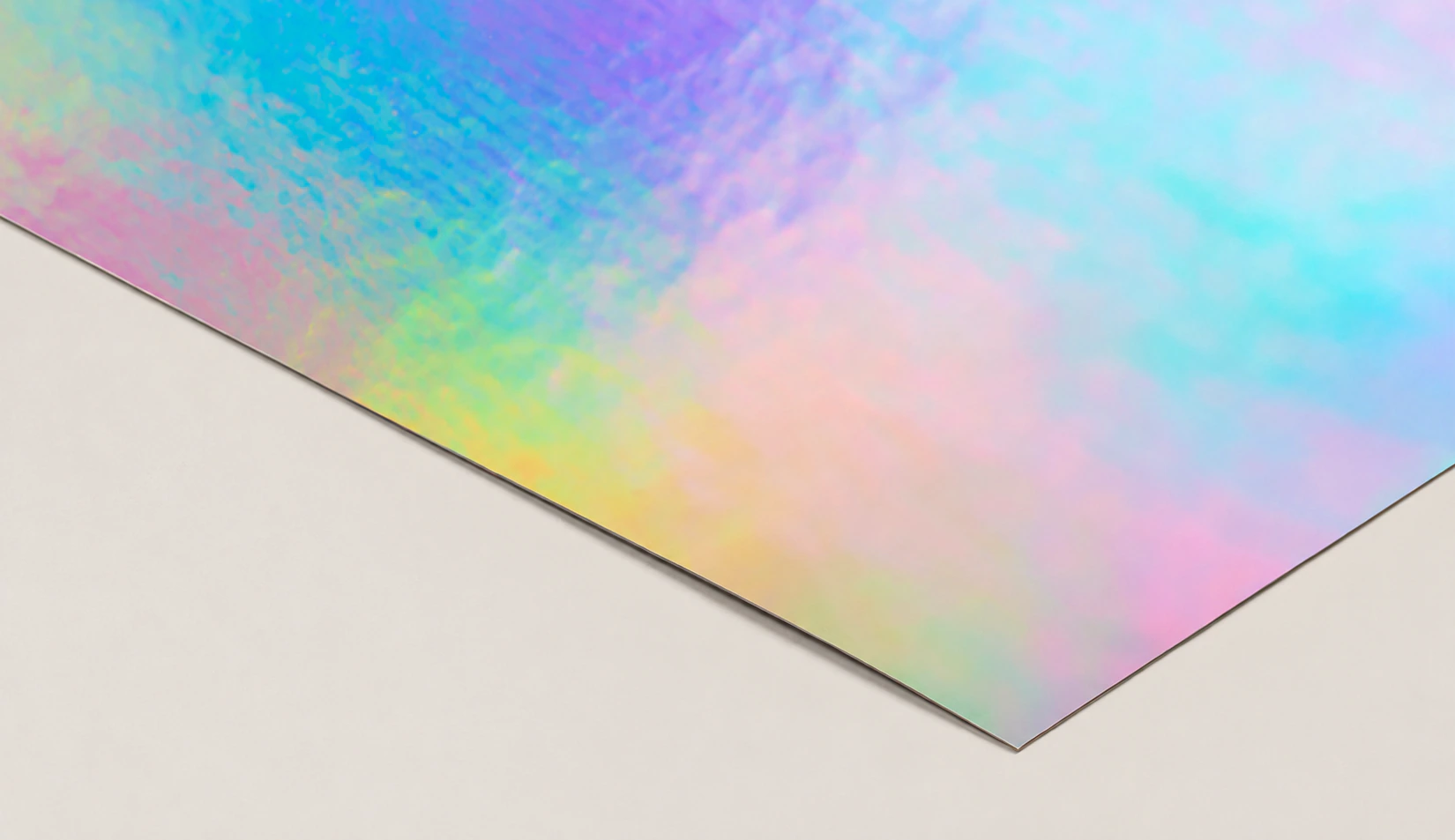
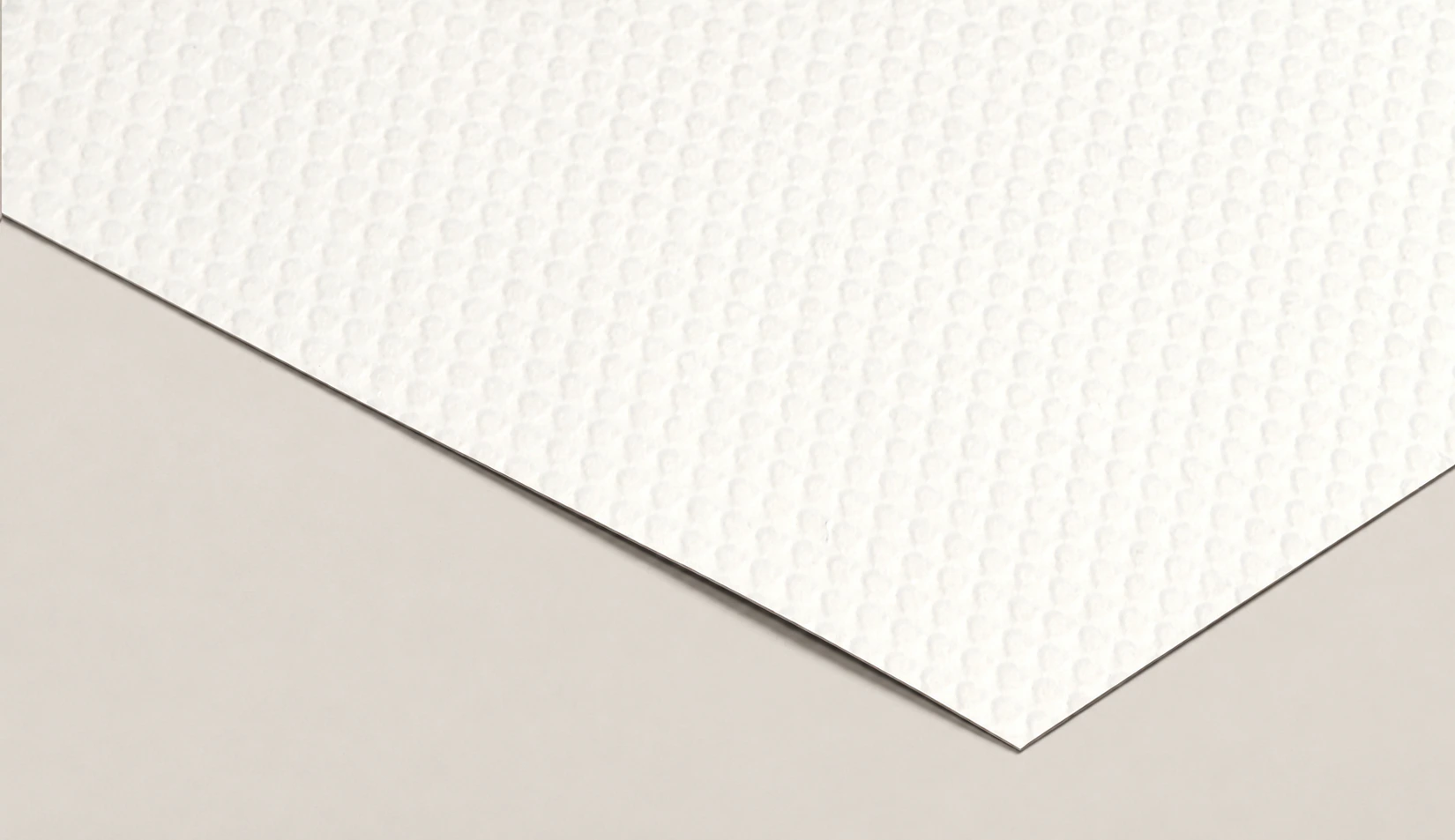
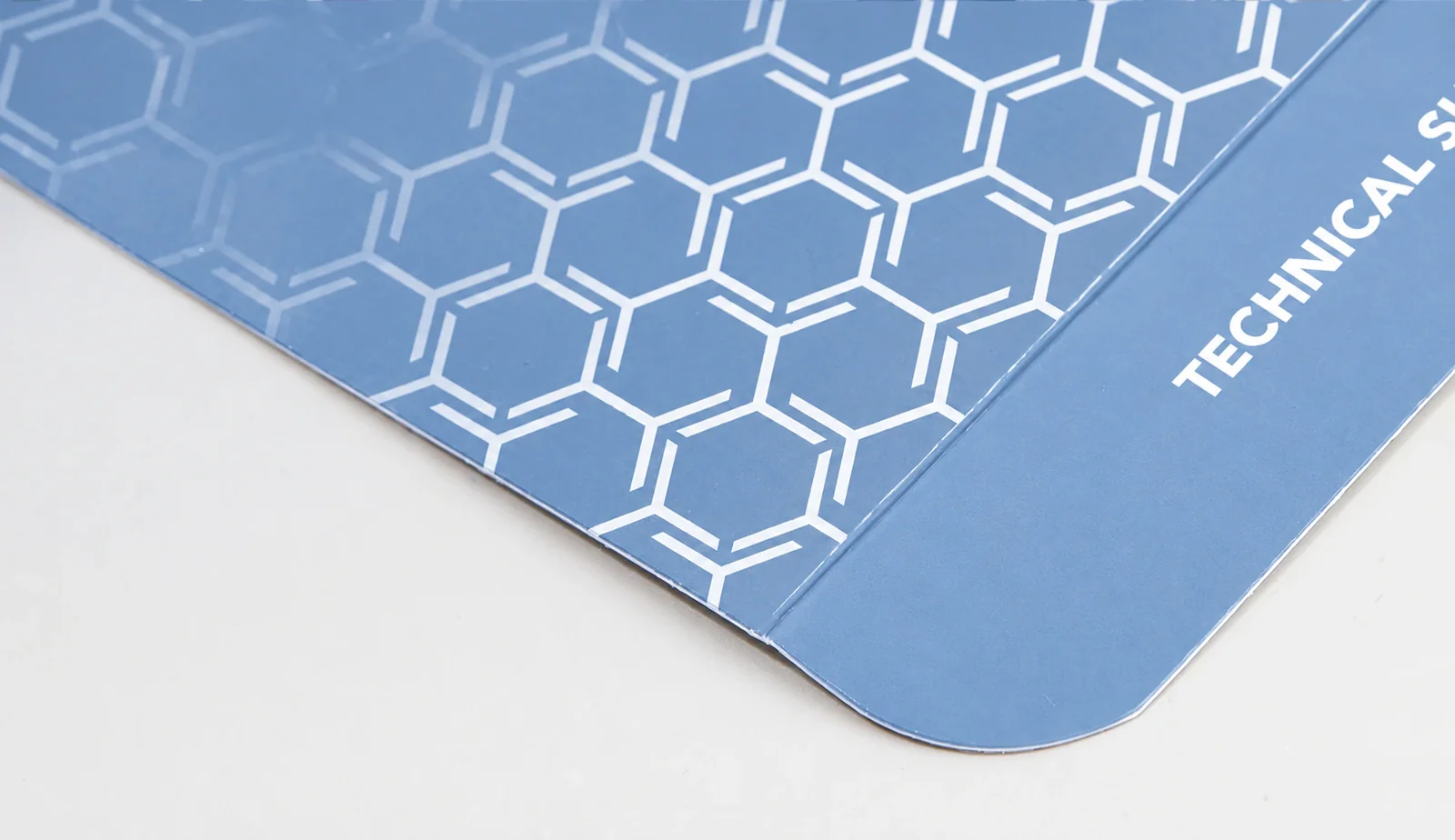
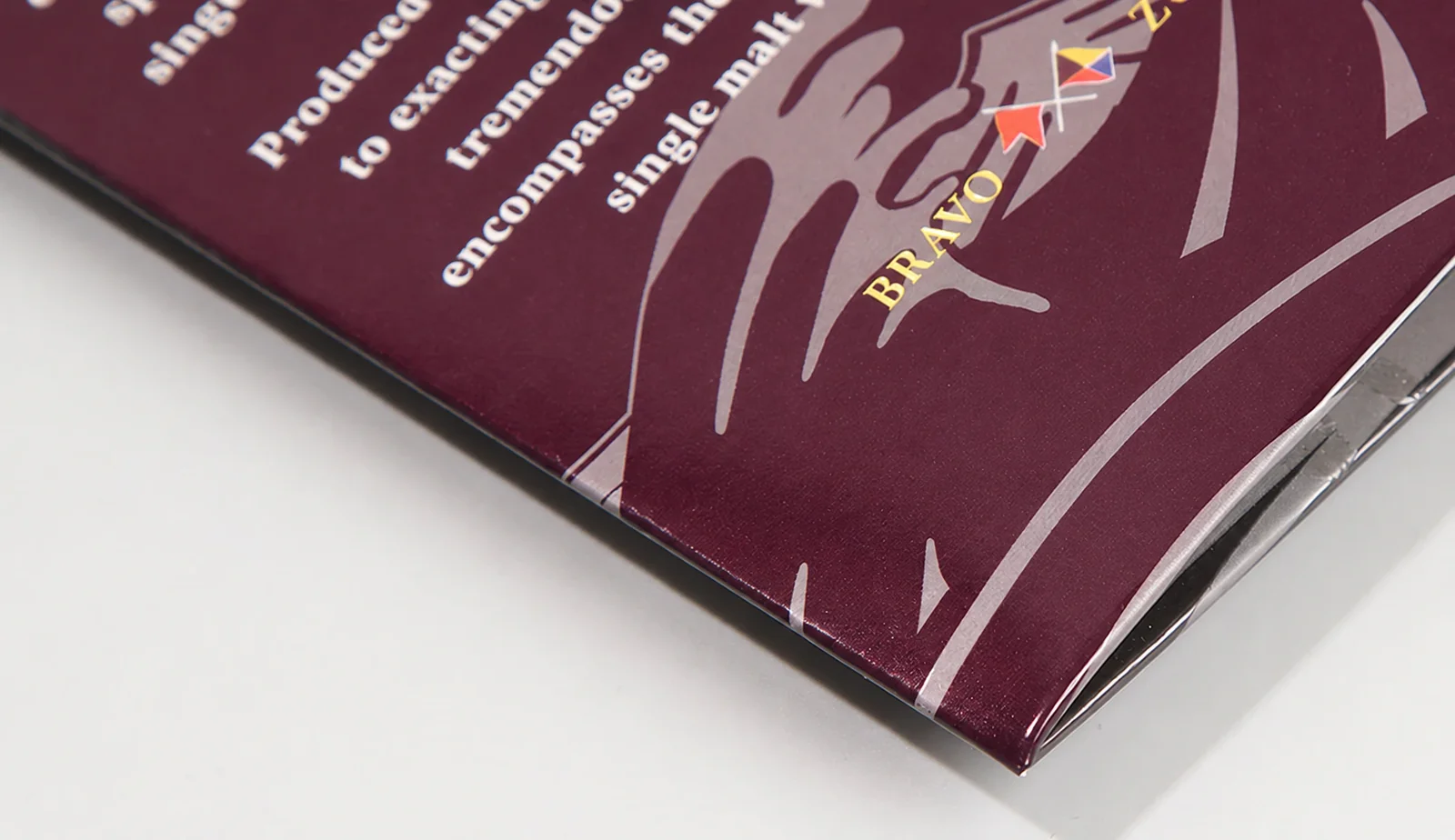
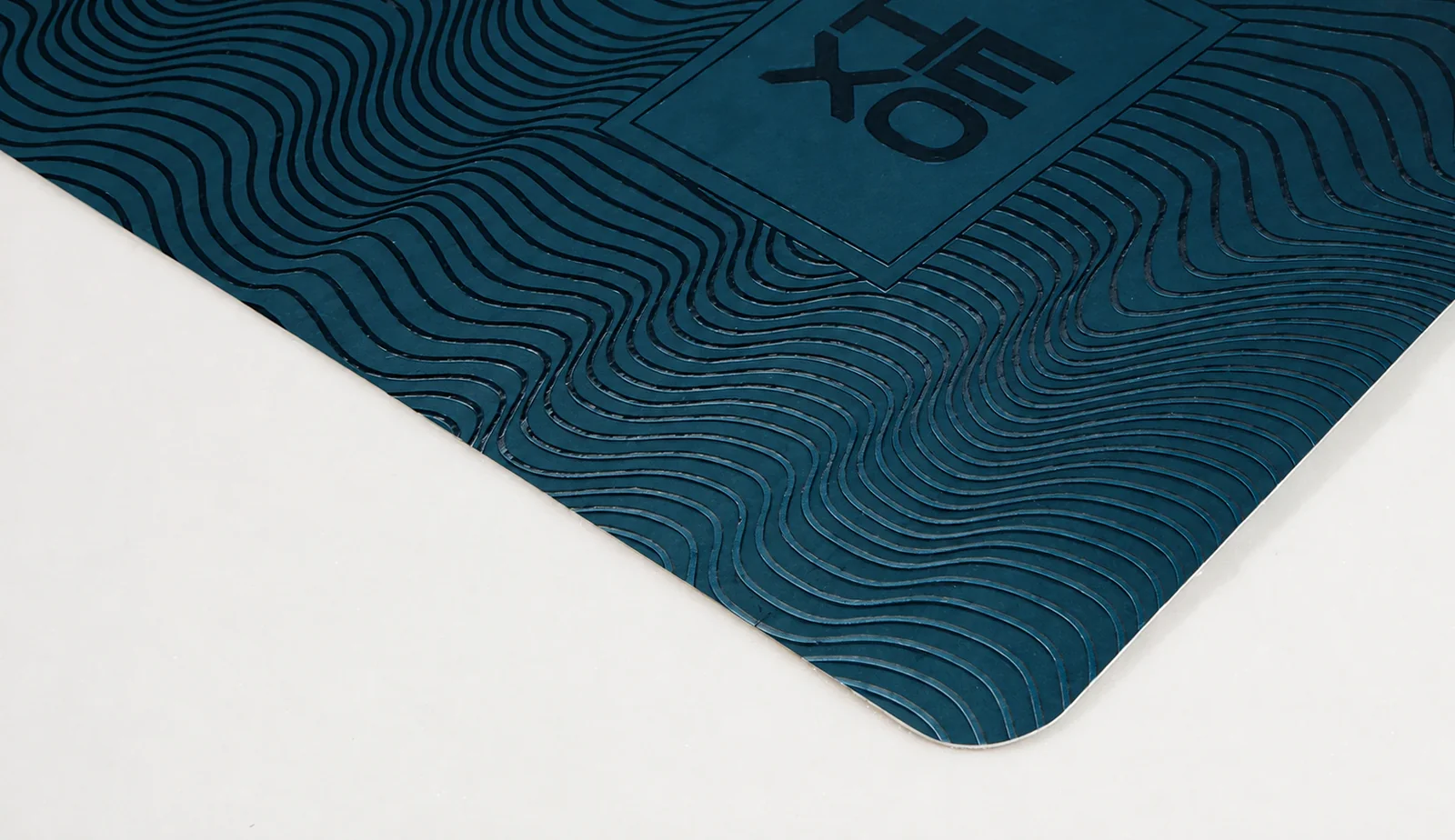
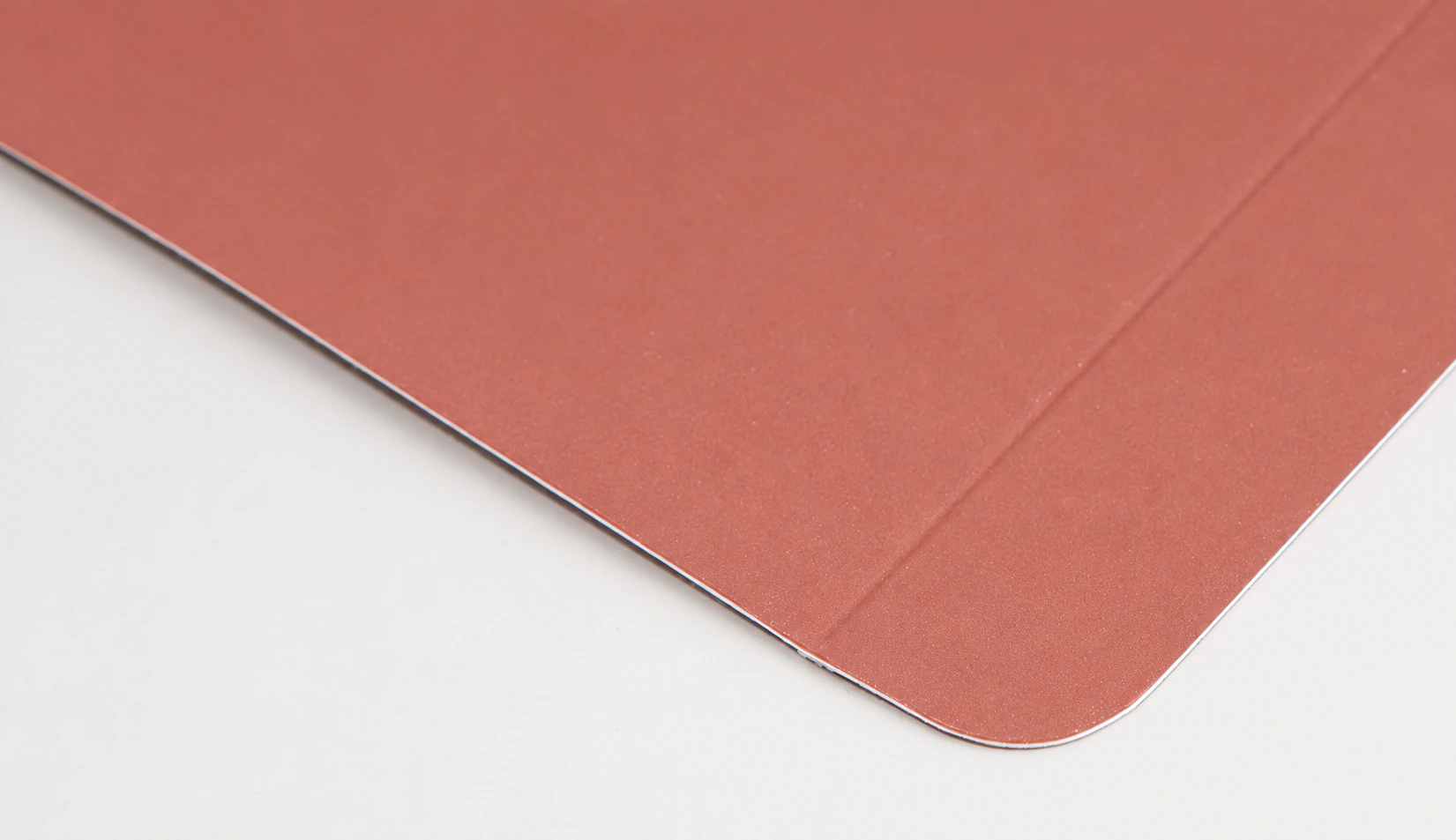
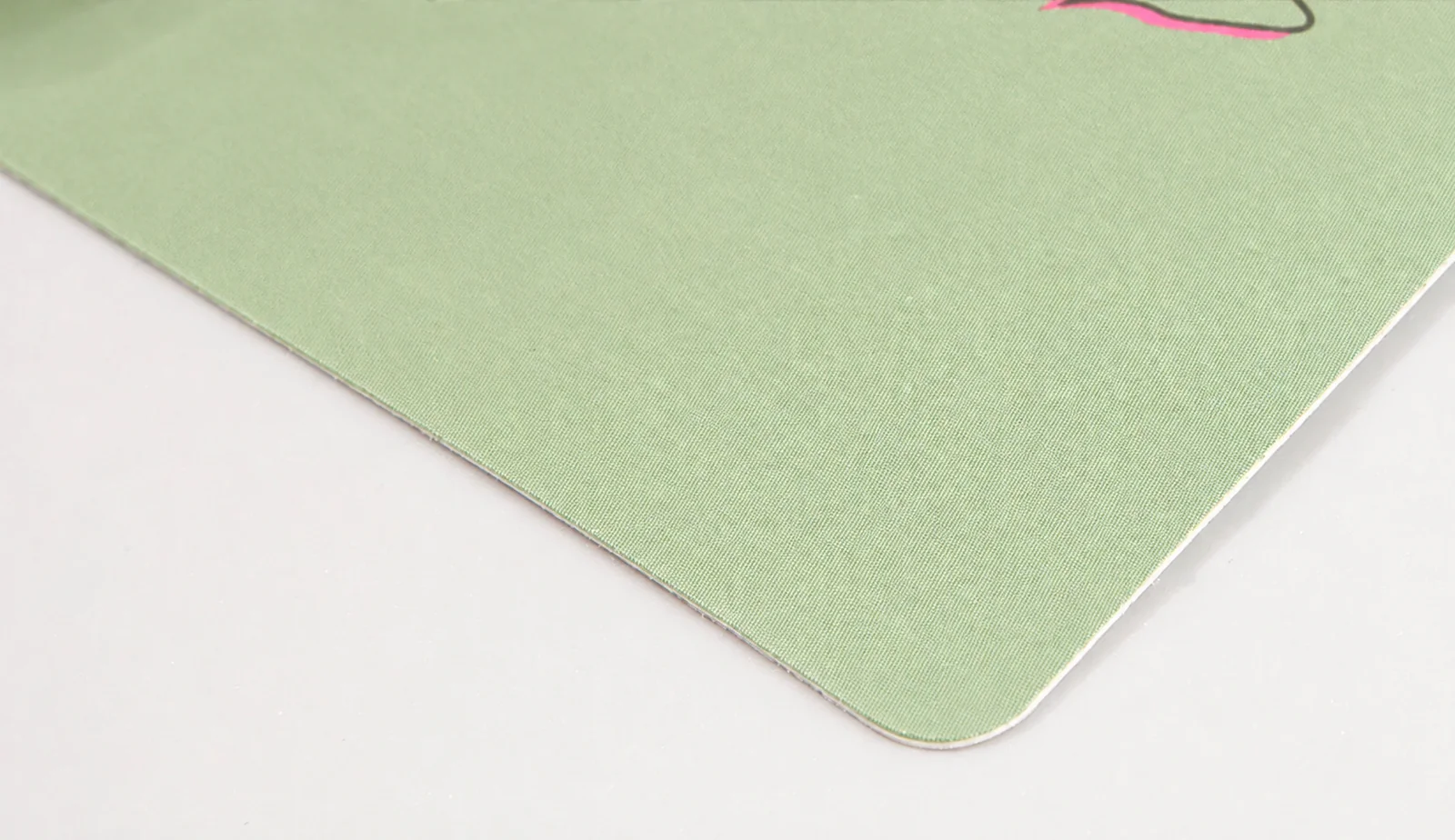
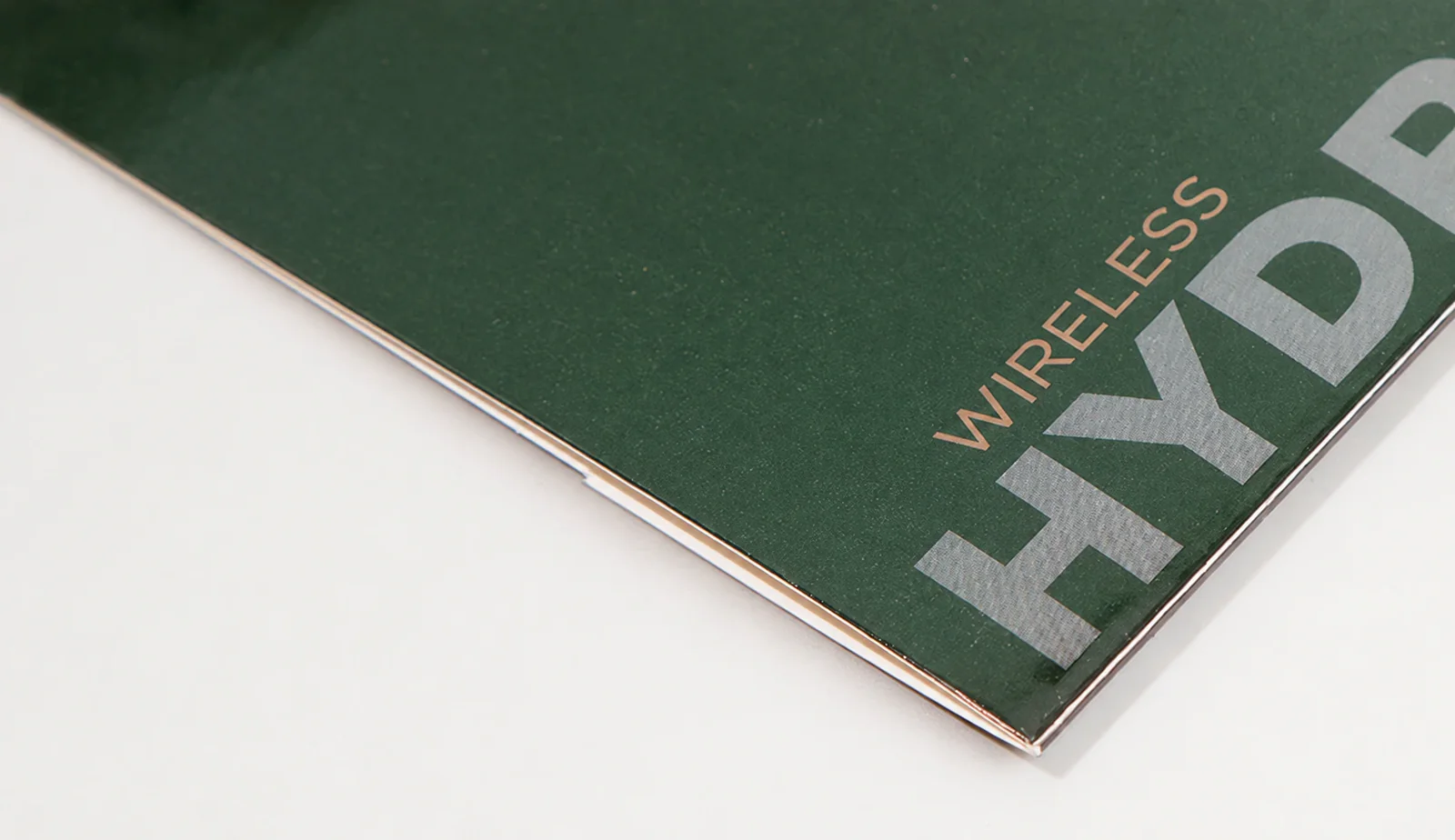
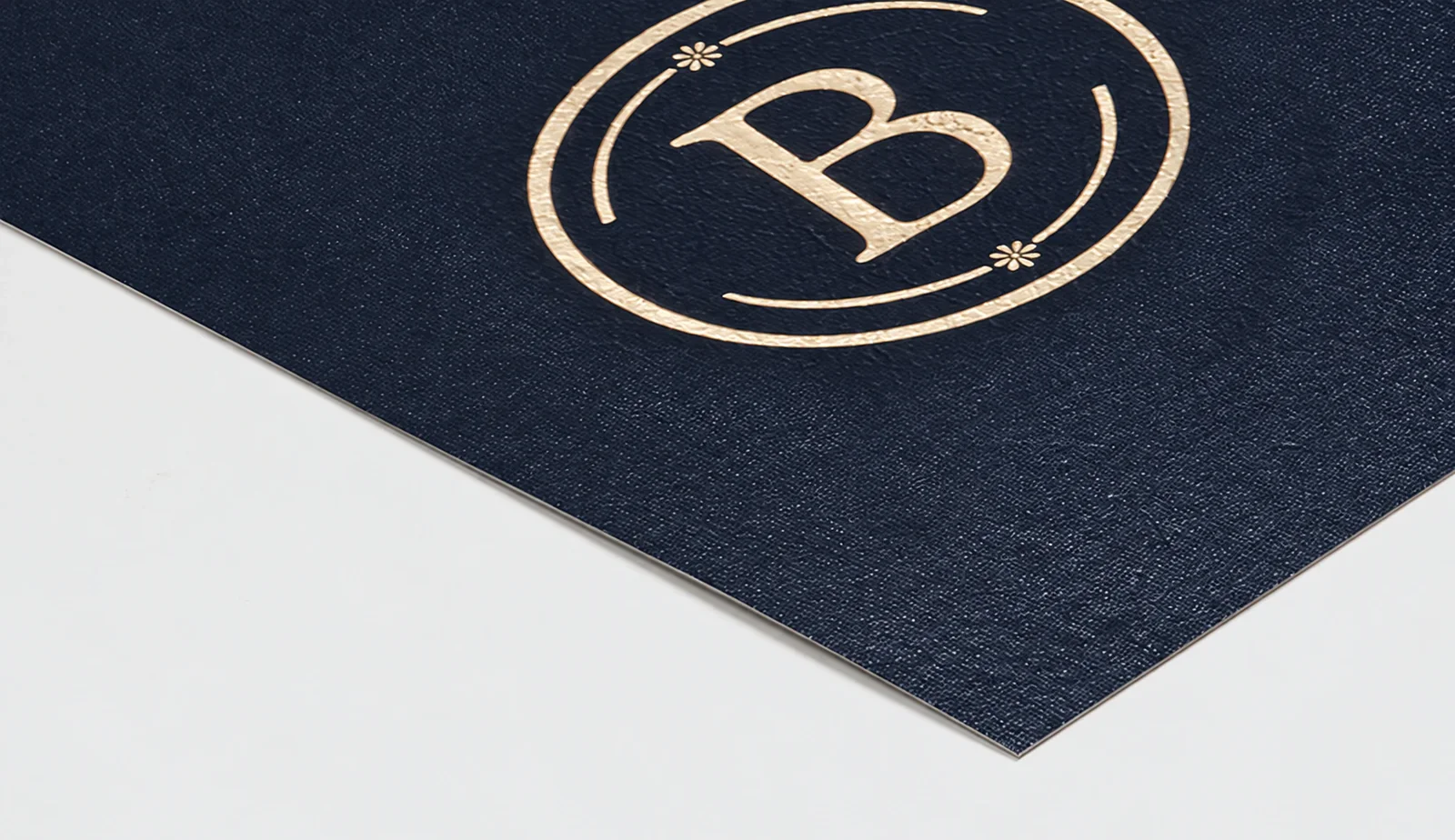
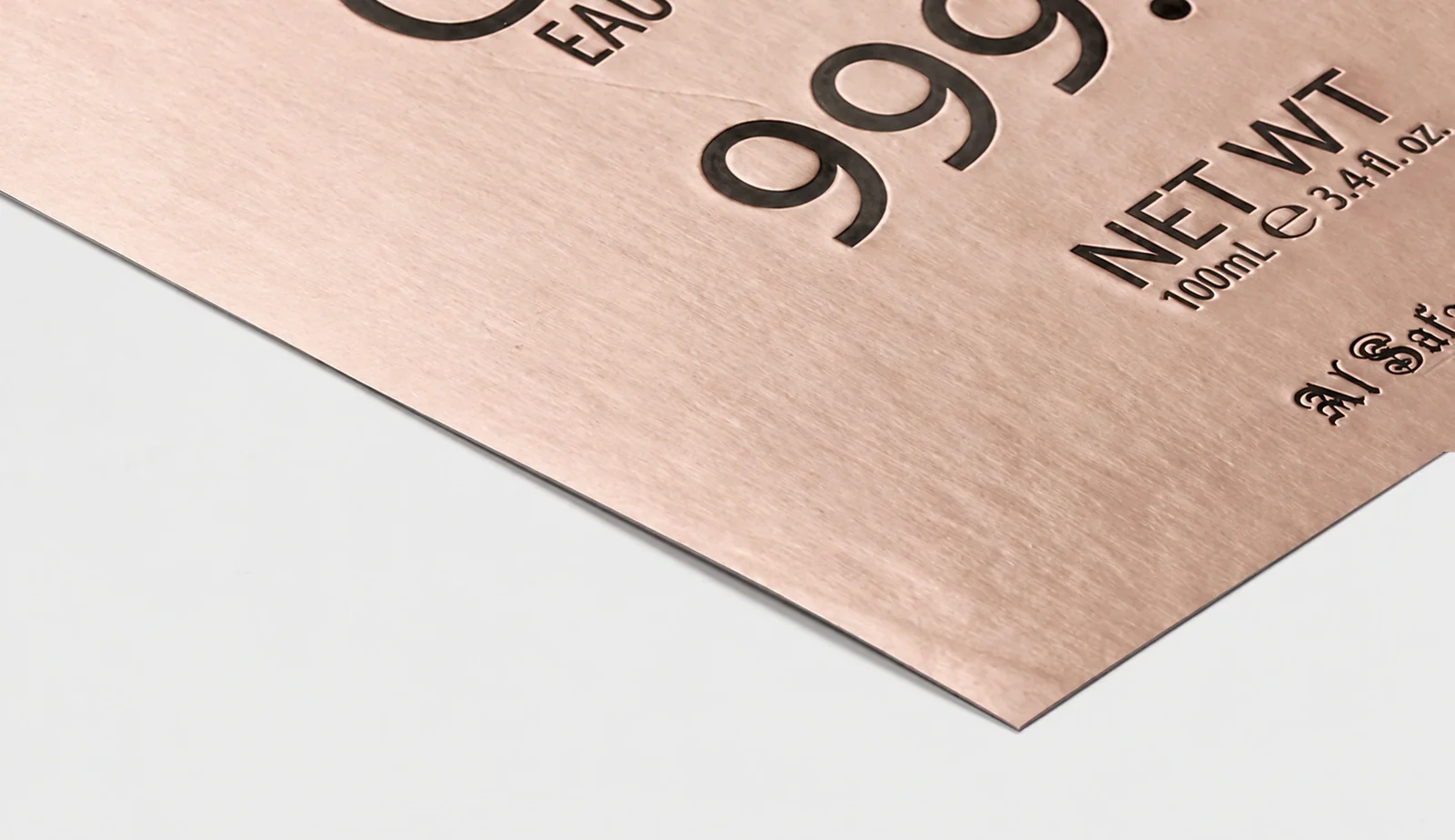
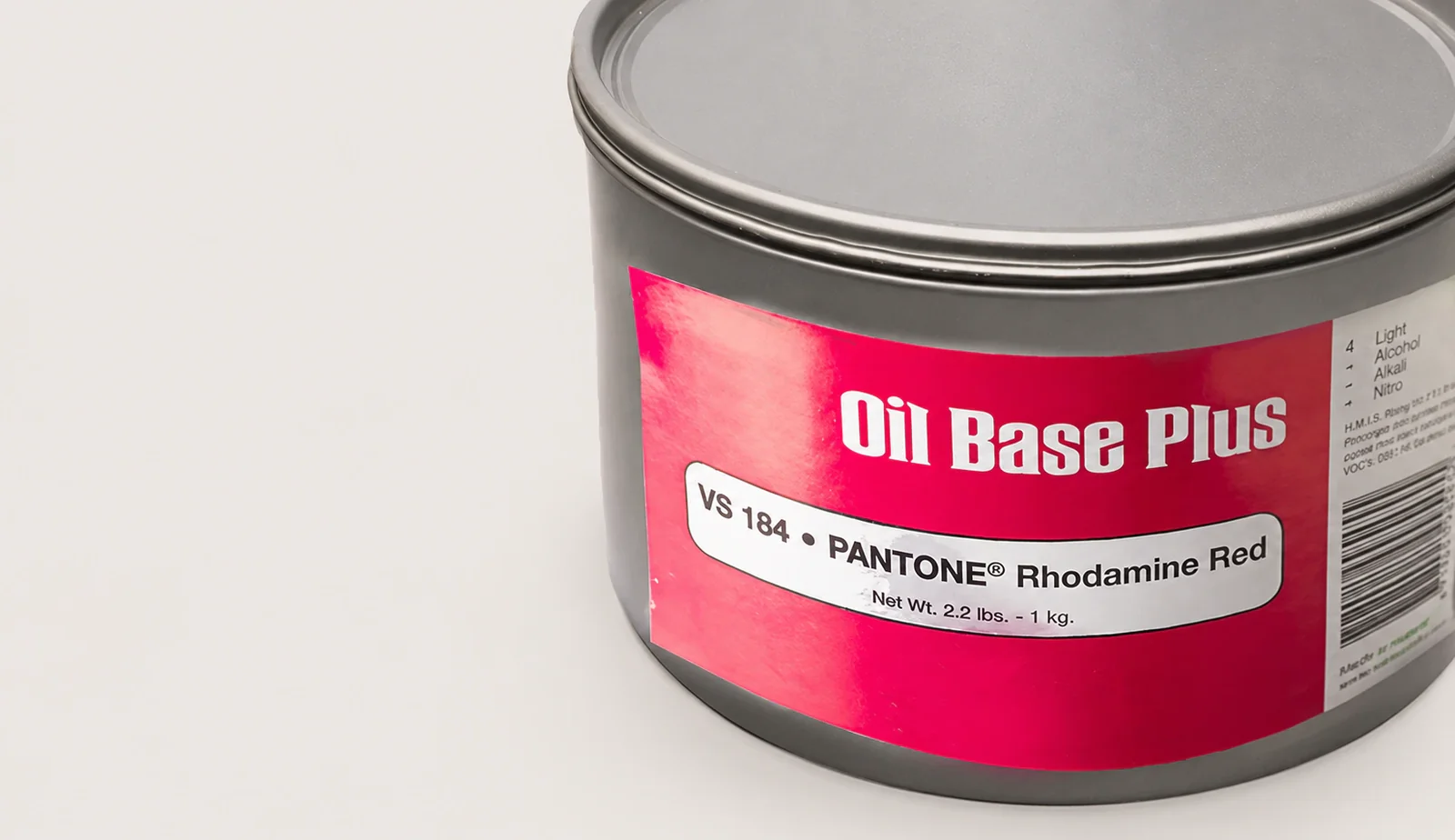
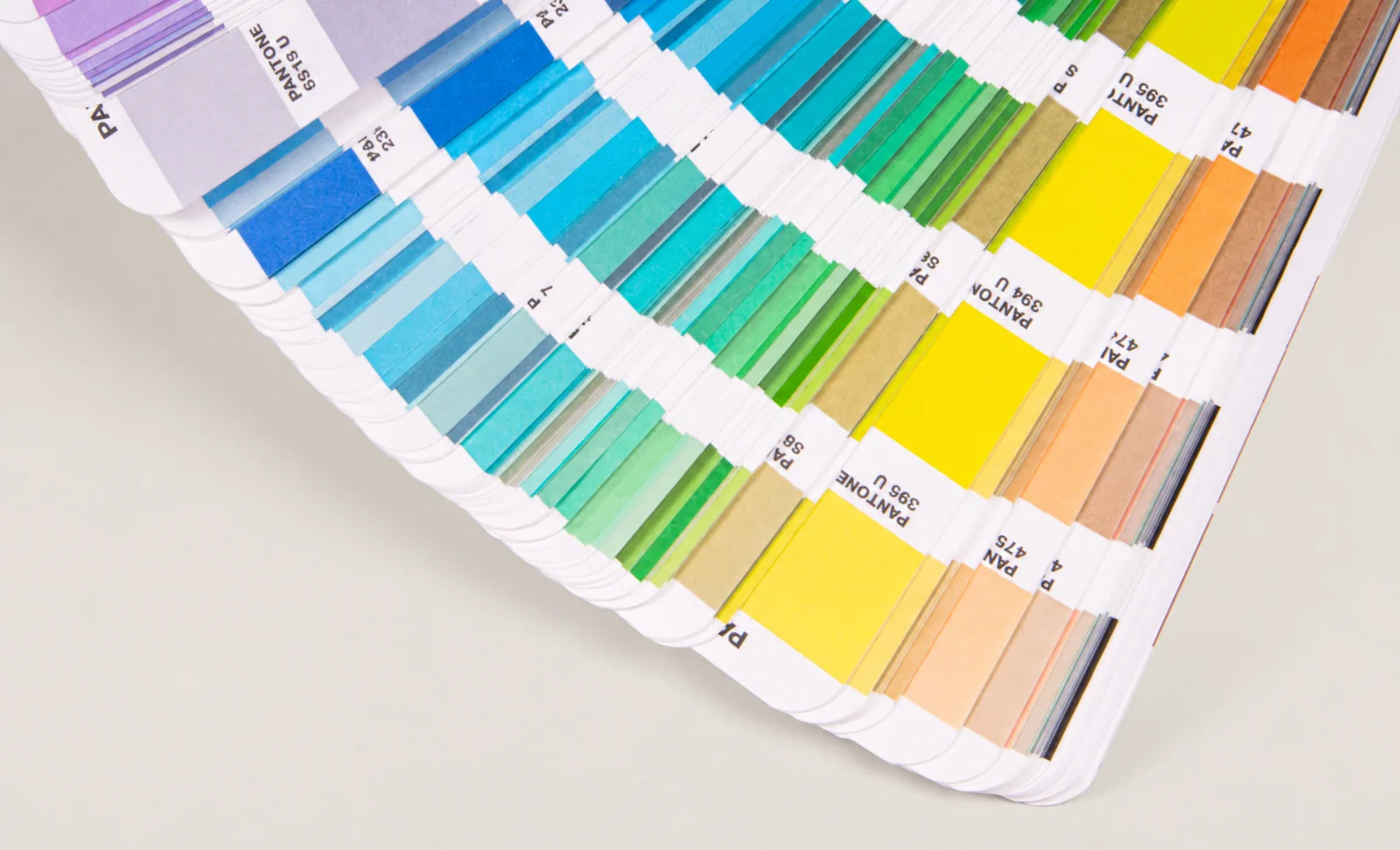
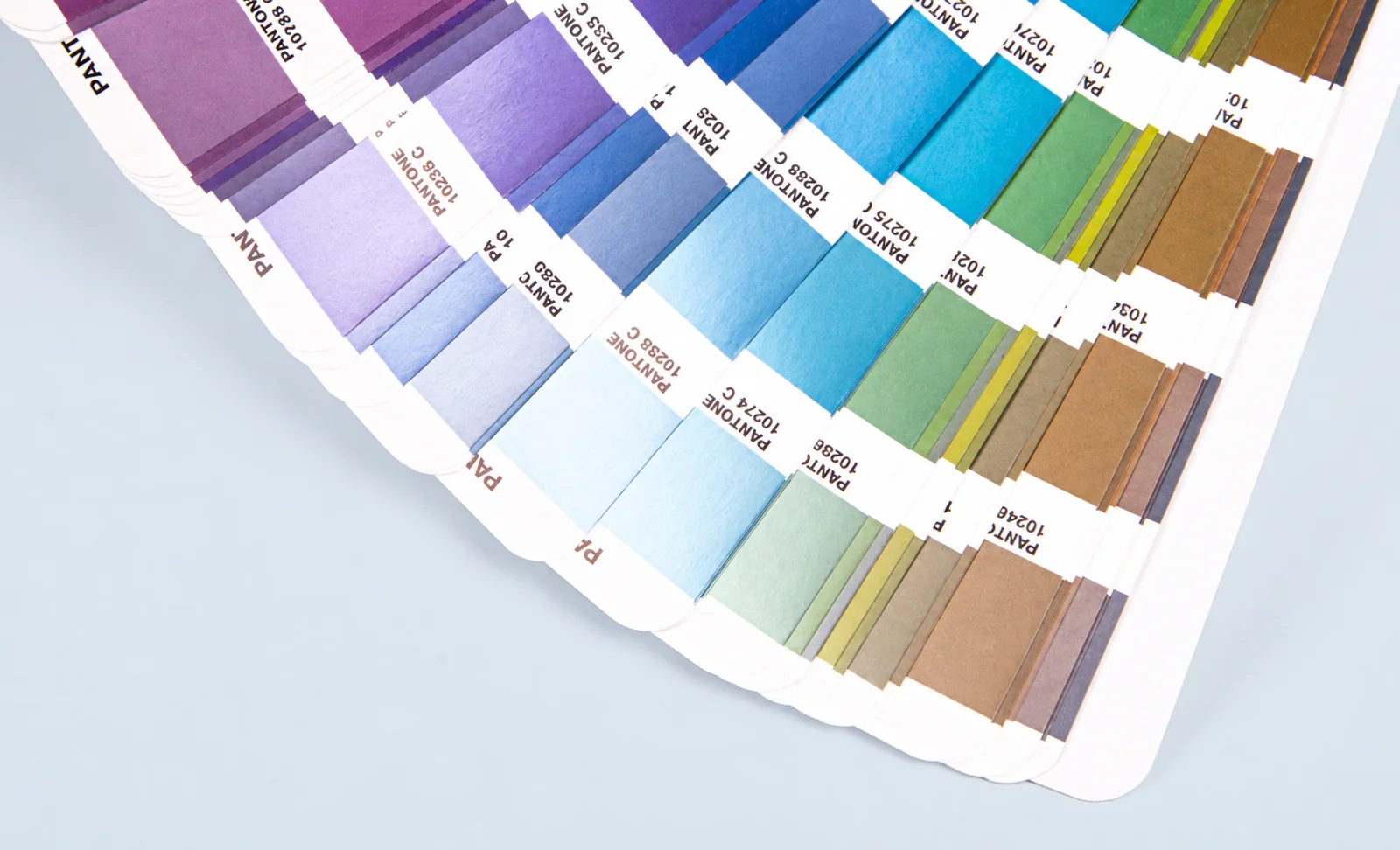
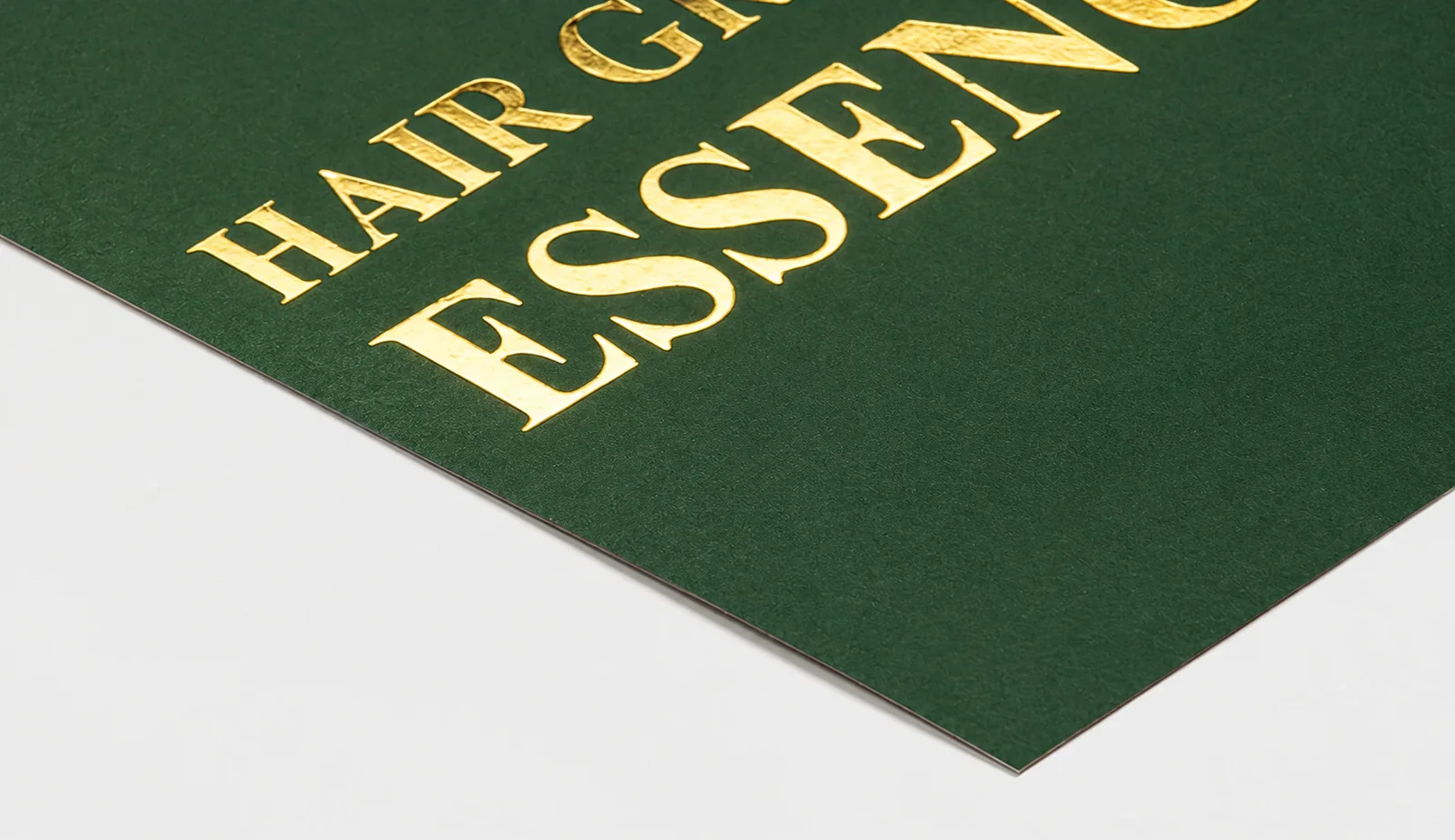
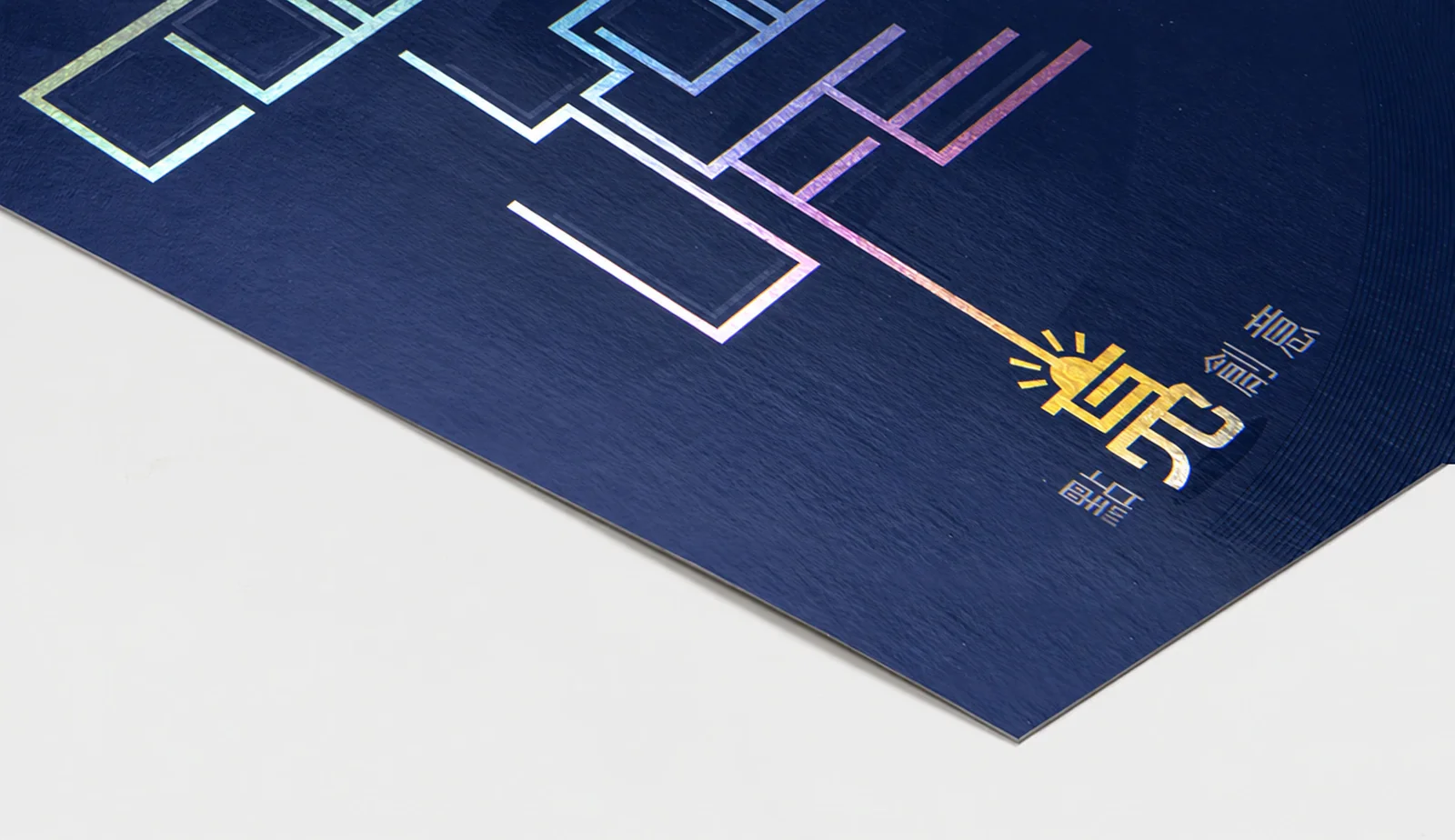
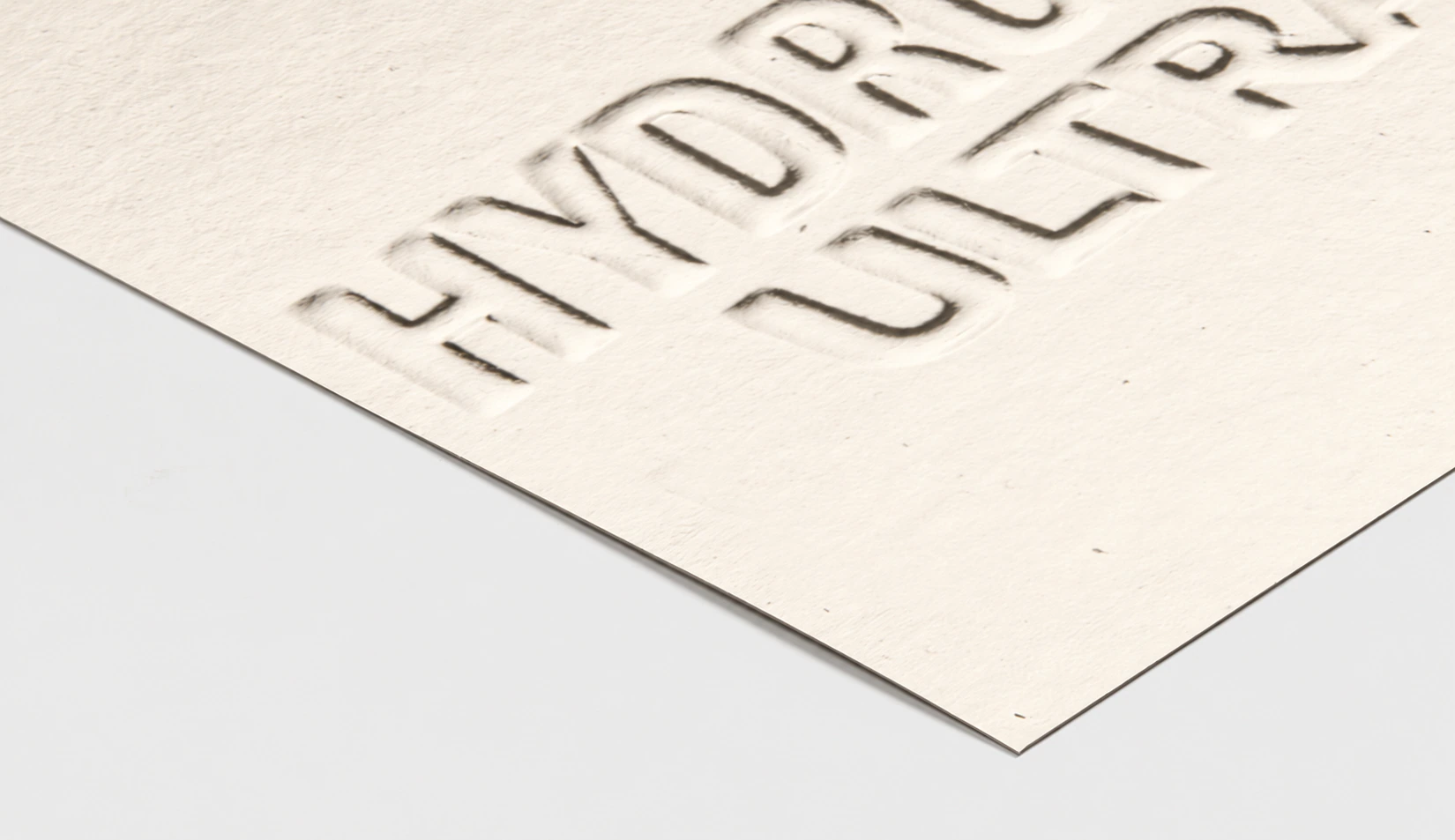
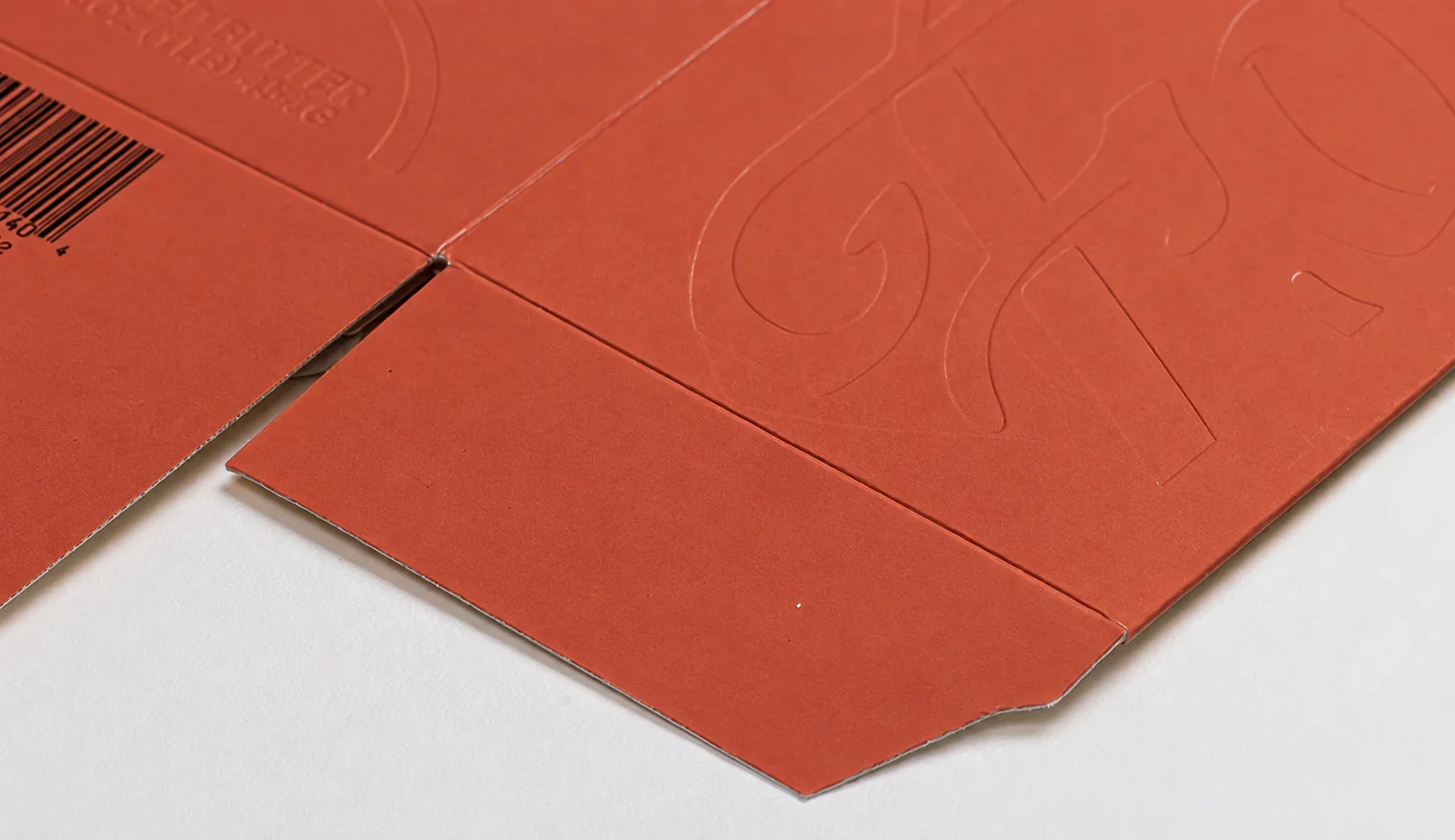
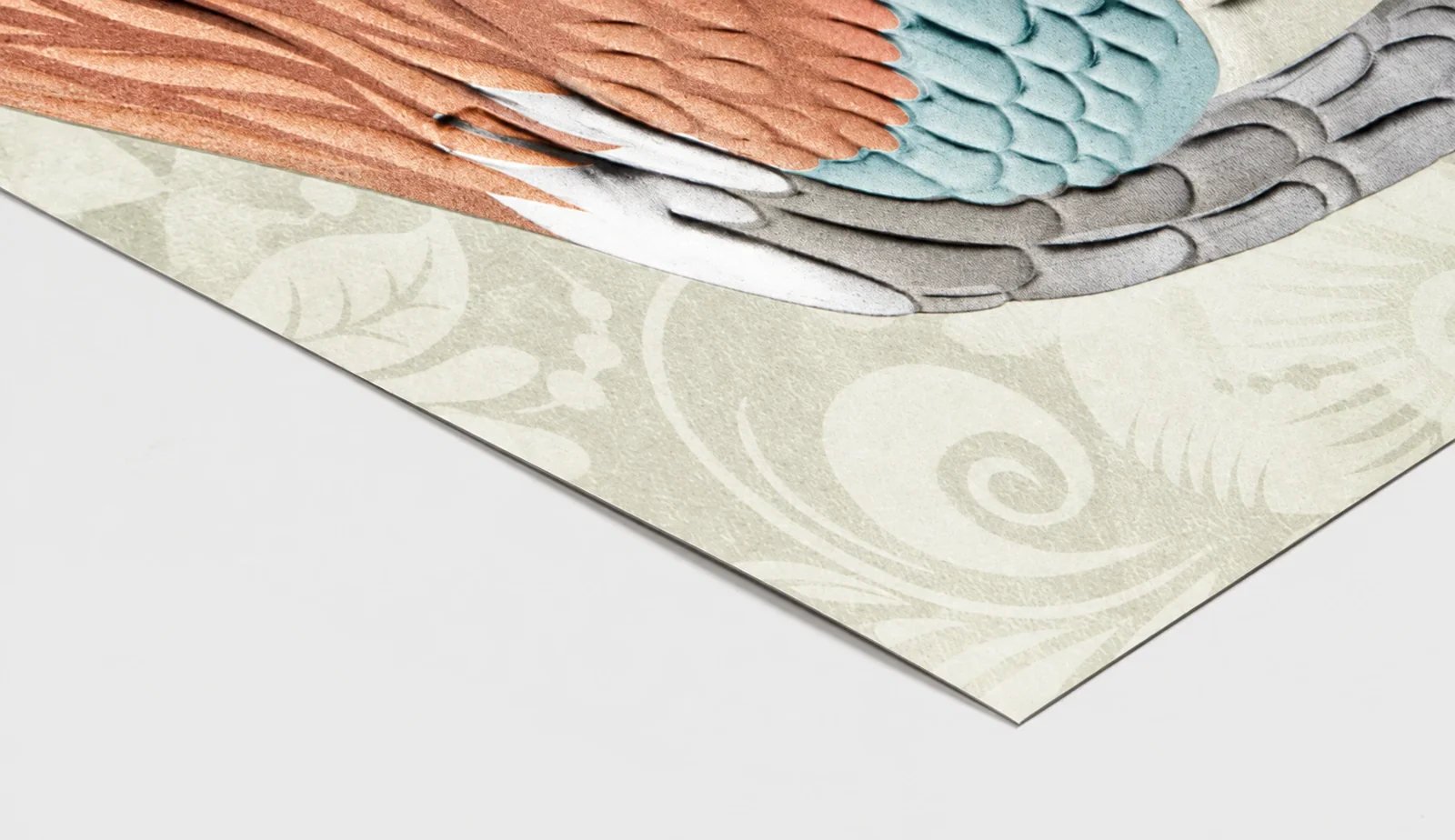
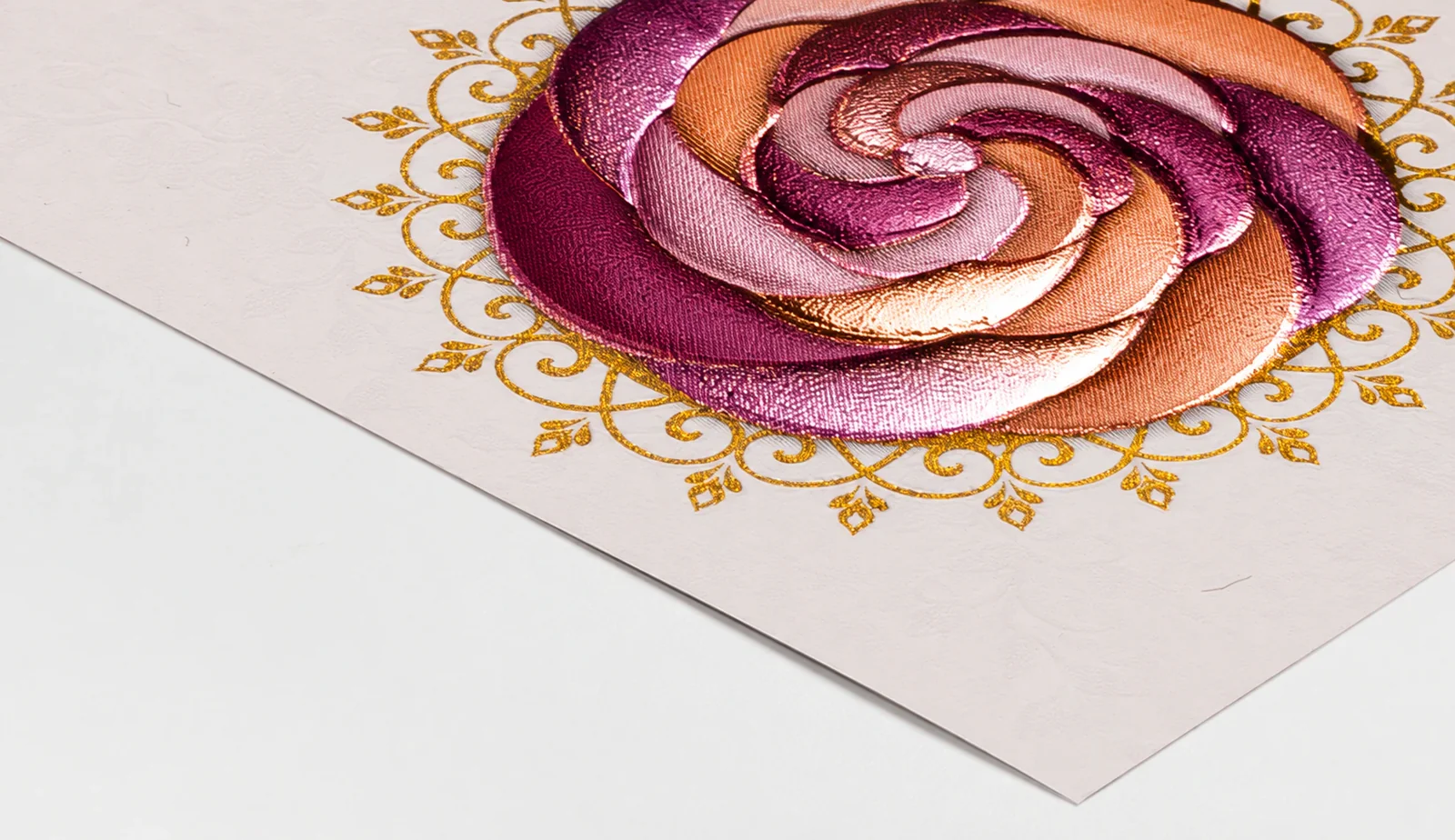
Compare printed wraps, textured papers and decorative finishes against the artwork and desired feel. Ask which material and finish combinations are available for the selected construction, and review a representative sample when appearance or tactile detail is important.
A presentation box still needs a shipping plan. Review the outer carton and cushioning against the complete packed product rather than assuming that a rigid box alone will protect it in transit.
Include the requested quantity, artwork status and delivery destination. Confirm available materials, sample requirements, pricing and timing in the written quotation.
Many setup boxes keep their assembled shape. Collapsible rigid designs are a separate construction option. Confirm how the selected box is supplied and assembled when comparing storage and freight requirements.
Provide the dimensions, weight and arrangement of the contents, plus any insert or accessory requirements. Distinguish the product measurements from the desired internal box dimensions.
Published by Nest Package. Updated . Confirm project-specific details in the written quotation.