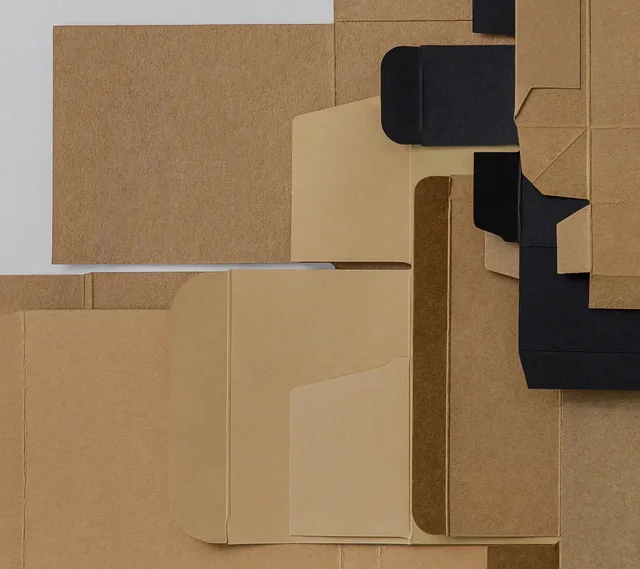
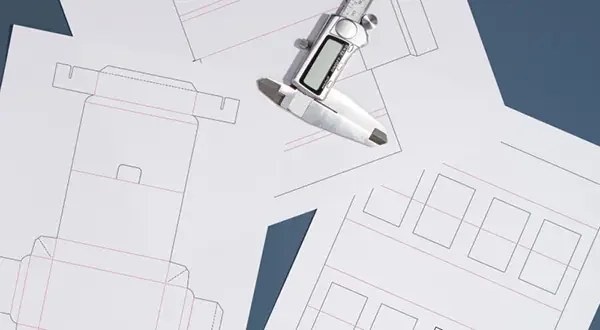
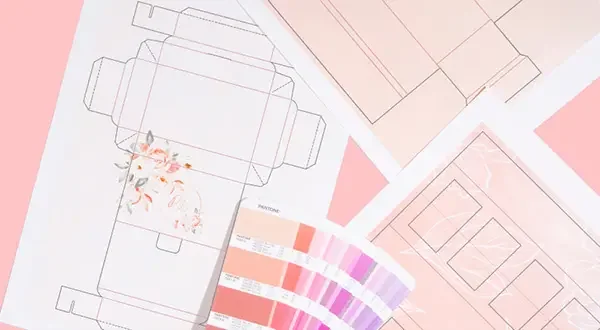
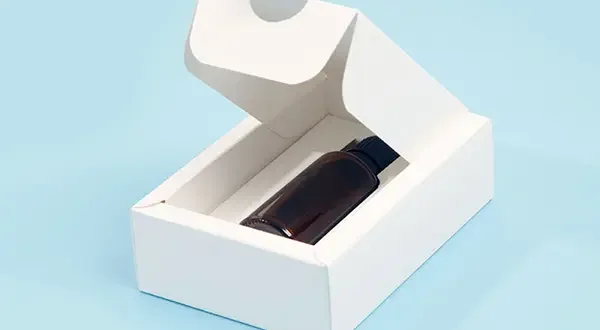



Packaging design
Shape the structure around your product, then review the artwork, opening experience and material choices.
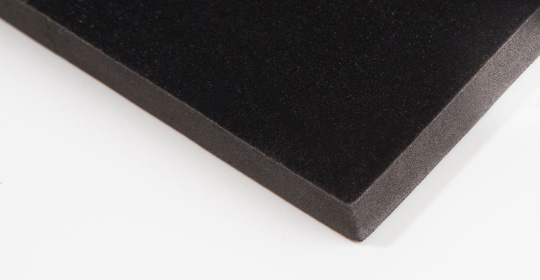
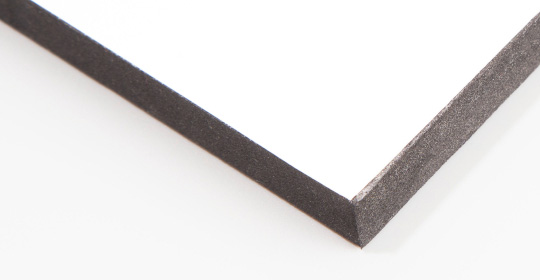
Explore designCompare these formats against your project brief, including foam material, cavity dimensions, product weight.
Review the options with the chosen structure. Confirm the exact material, appearance and supporting documentation for your project.
THE NEST PACKAGE APPROACH
Bring the design, production and delivery details together, with clear decisions at each stage of your packaging project.
Explore packaging services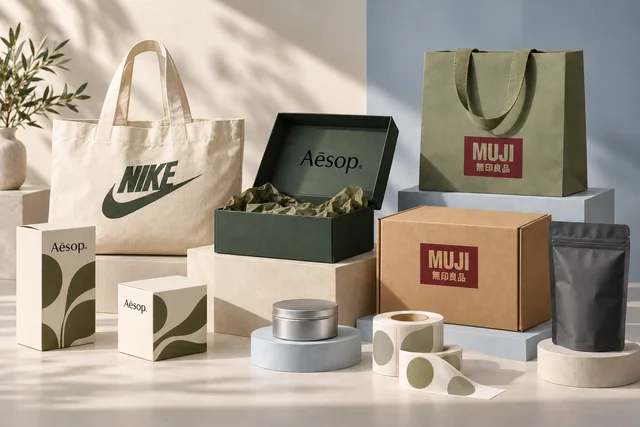
Shape the structure around your product, then review the artwork, opening experience and material choices.
Explore designAgree on quantities, materials and finishes. Review sample requirements and approval steps before the production run.
Plan your samplesShare your destination and arrival date so packing, shipping options and delivery terms can be discussed together.
Plan delivery detailsSet the checks that matter for your pack: fit, print, construction and any project-specific documentation.
Review the checklistProduct dimensions, quantity and delivery destination are a useful first step.
FAMILIAR BRANDS. DIFFERENT FORMATS.
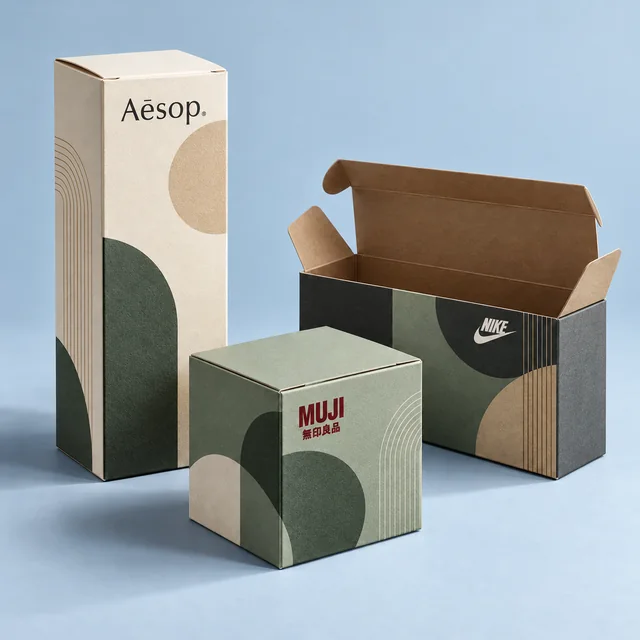
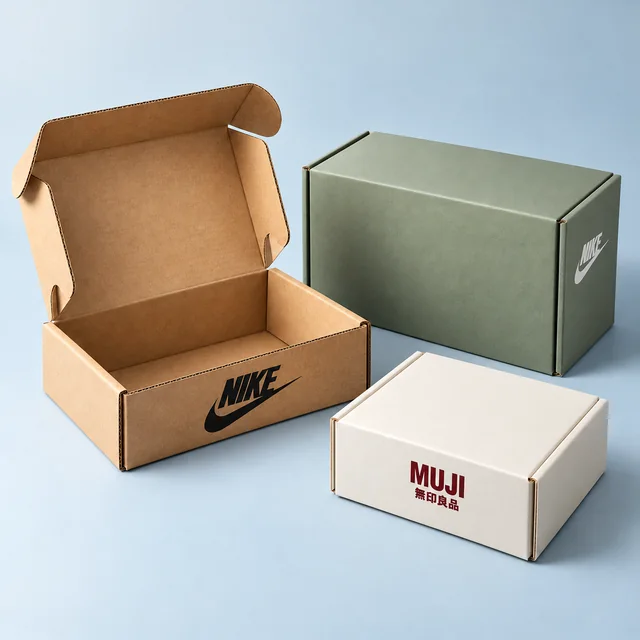
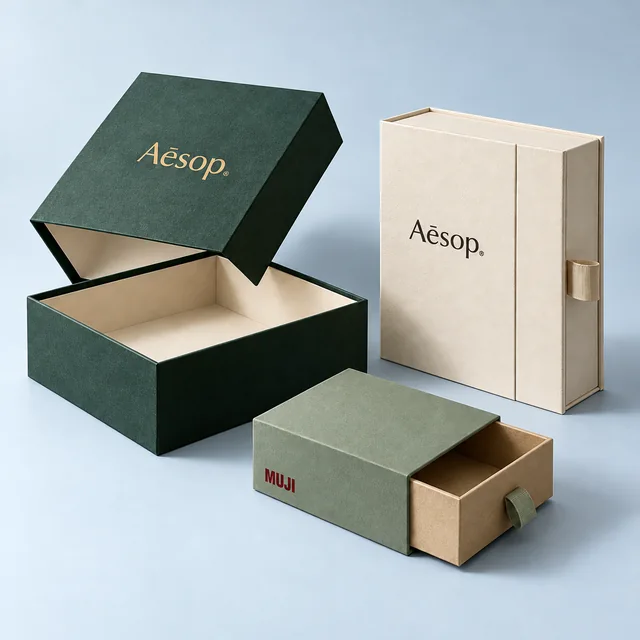
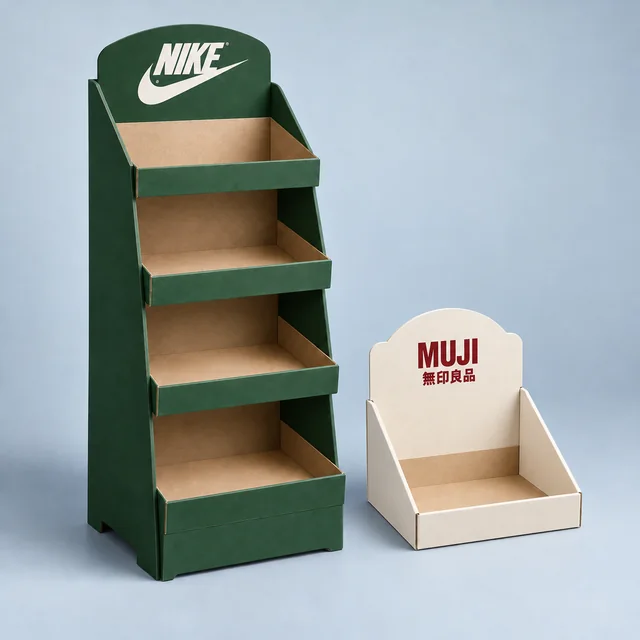
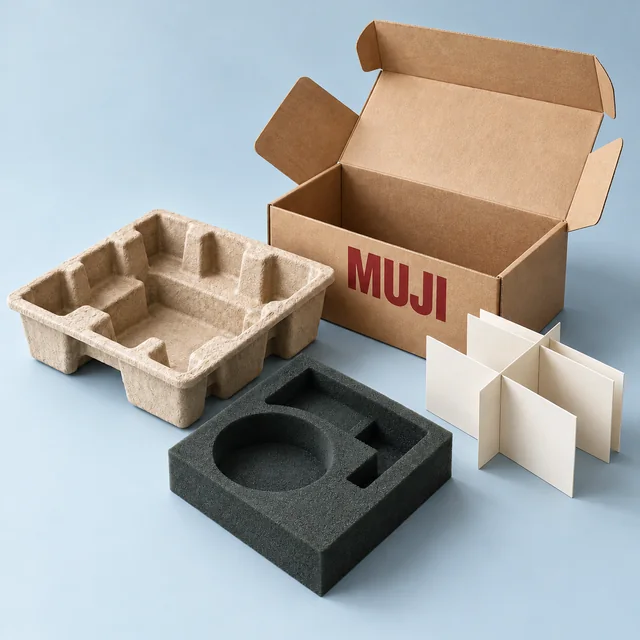
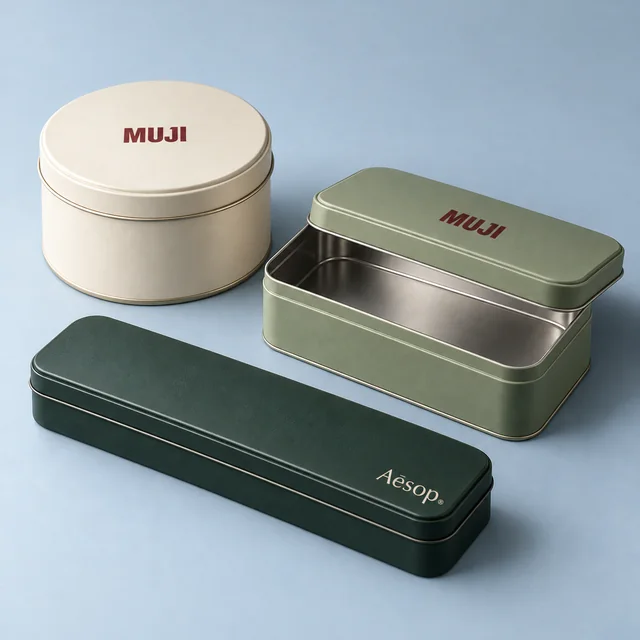
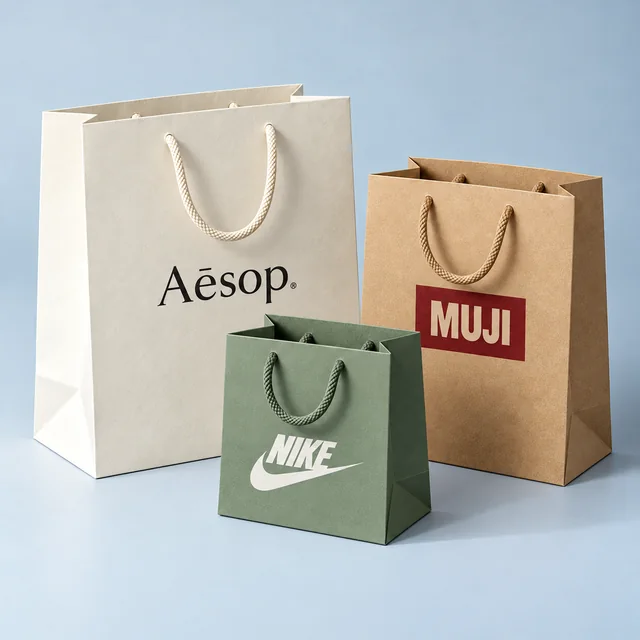
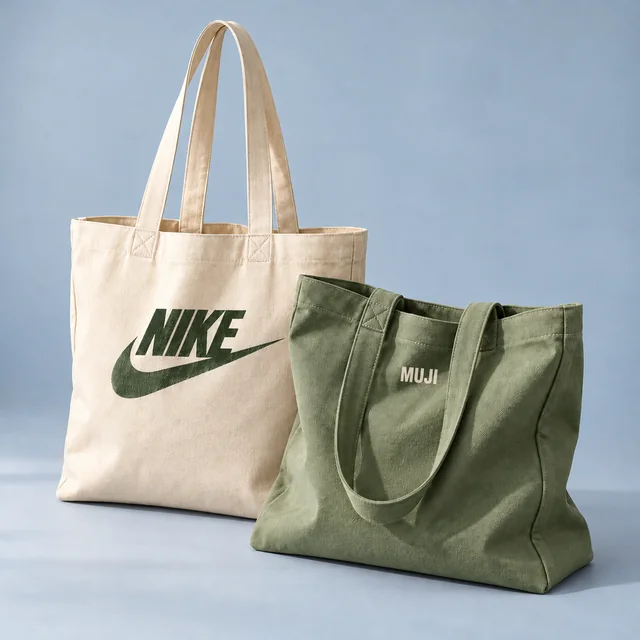
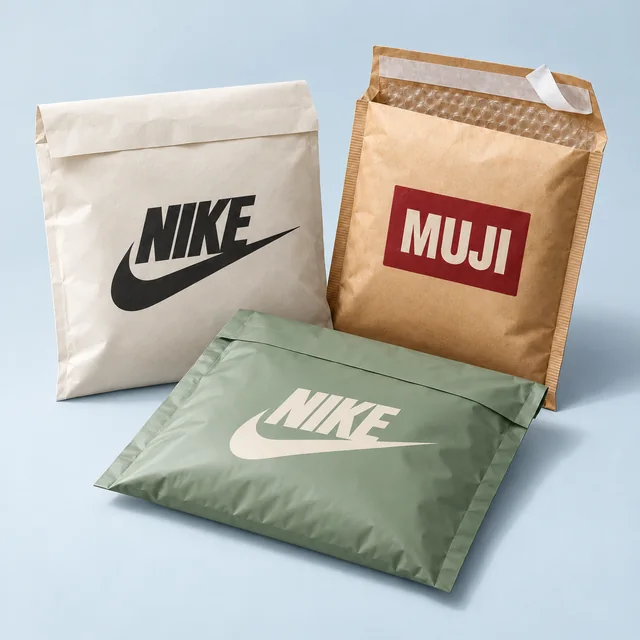
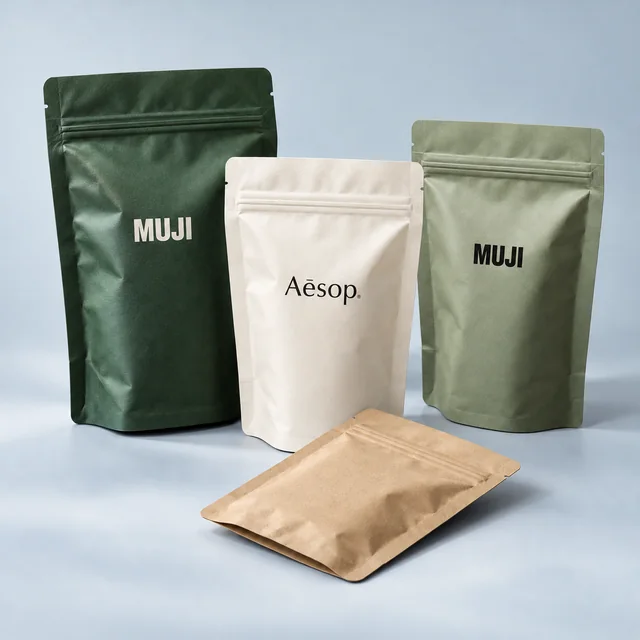
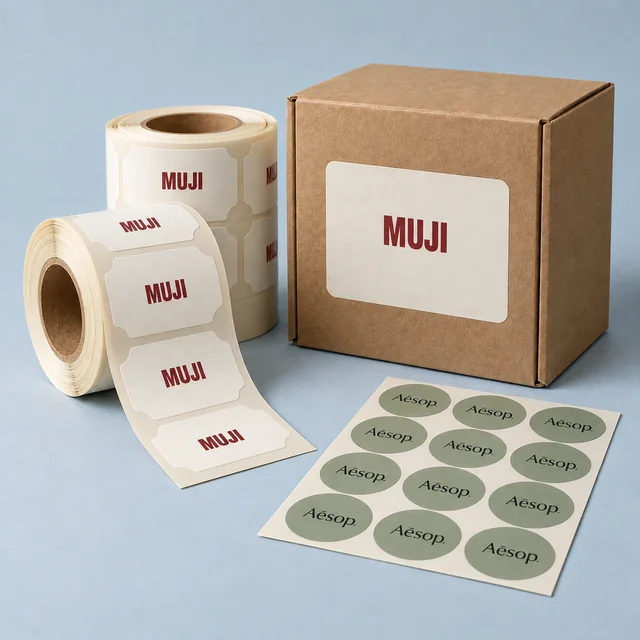
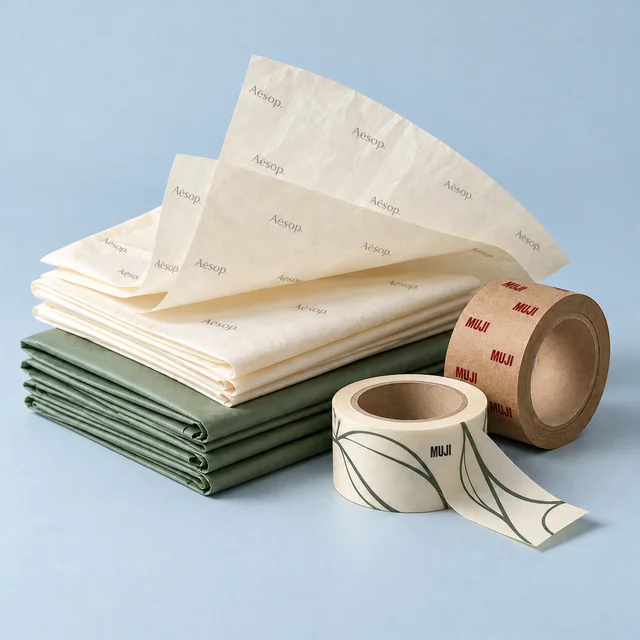
Independent packaging concepts featuring MUJI, Aesop and Nike. These visuals illustrate design possibilities and are not Nest Package client projects.
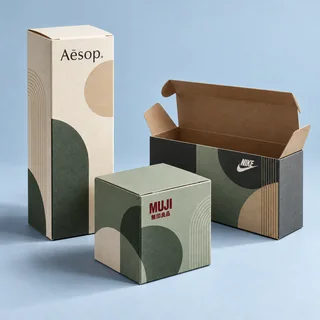 CONCEPT
Aesop · Nike · MUJI
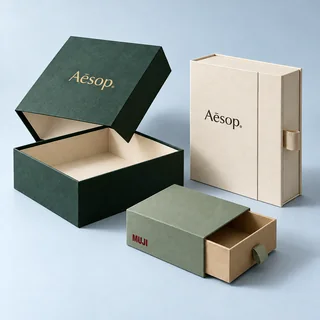 CONCEPT
Aesop · MUJI
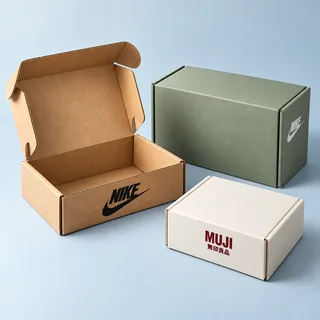 CONCEPT
Nike · MUJI
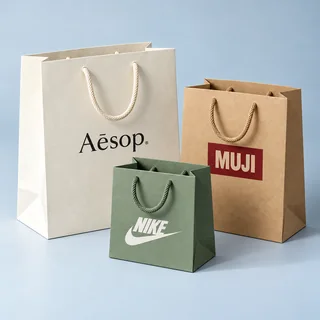 CONCEPT
Aesop · Nike · MUJI
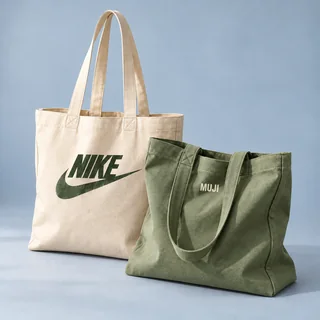 CONCEPT
Nike · MUJI
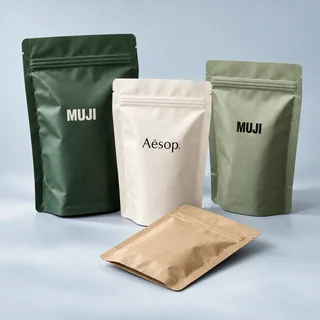 CONCEPT
Aesop · MUJI
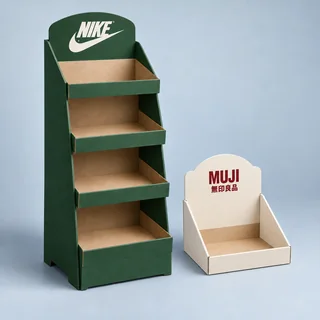 CONCEPT
Nike · MUJI
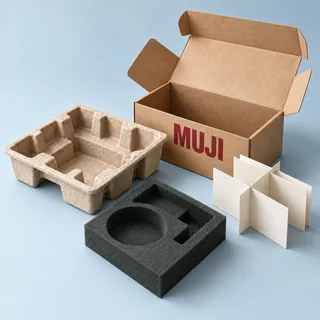 CONCEPT
MUJI
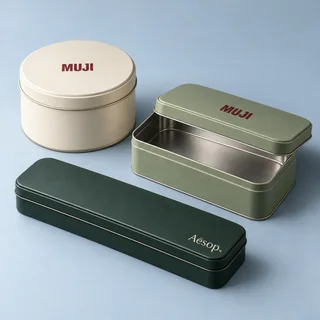 CONCEPT
Aesop · MUJI
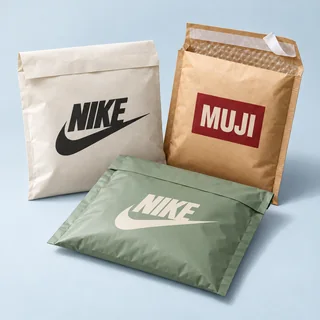 CONCEPT
Nike · MUJI
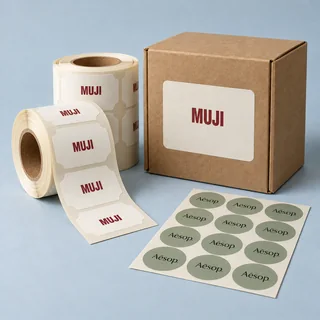 CONCEPT
Aesop · MUJI
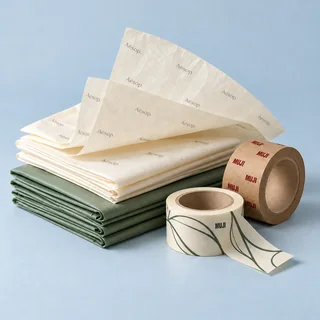 CONCEPT
Aesop · MUJI
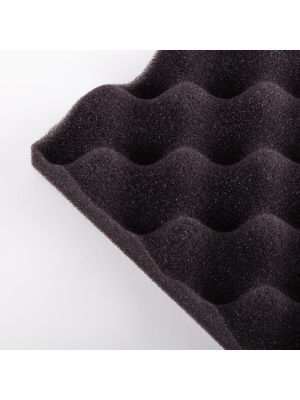
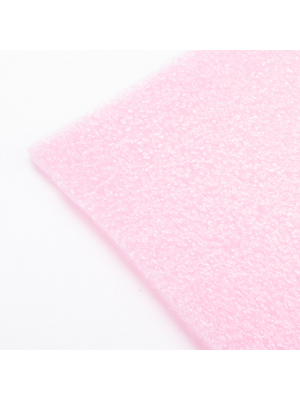
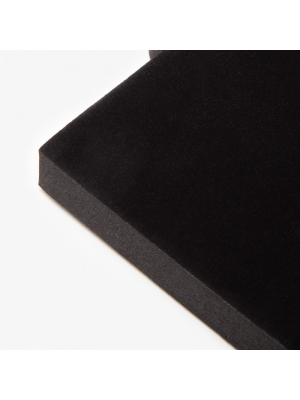
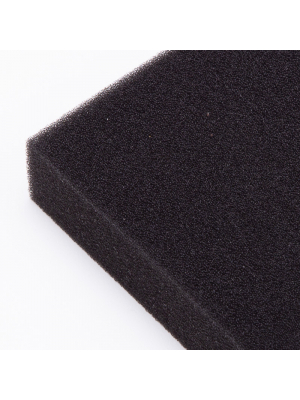
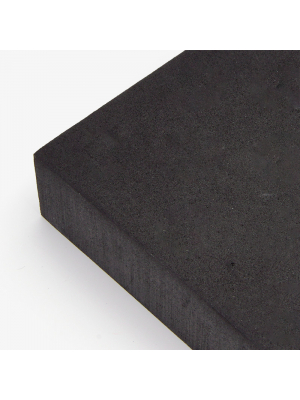
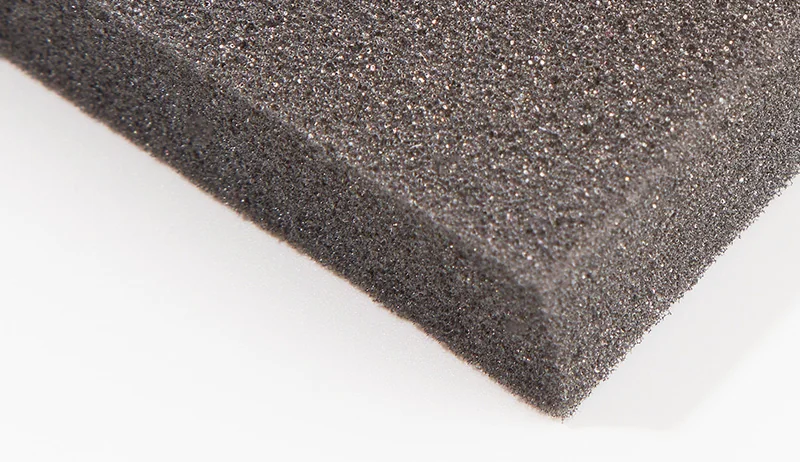
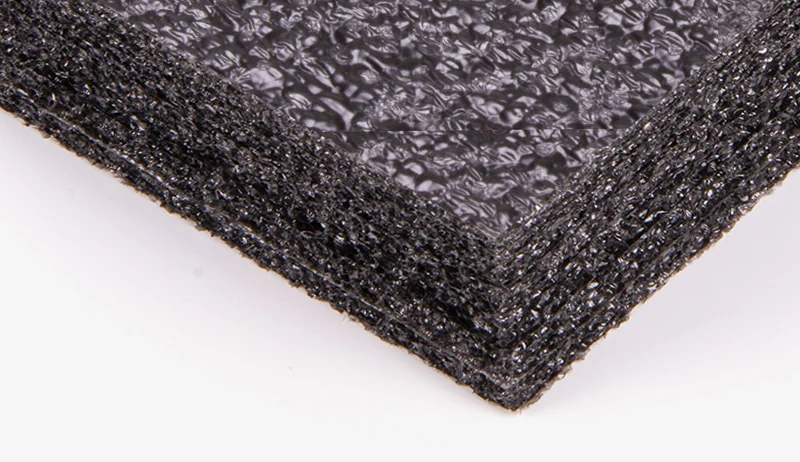
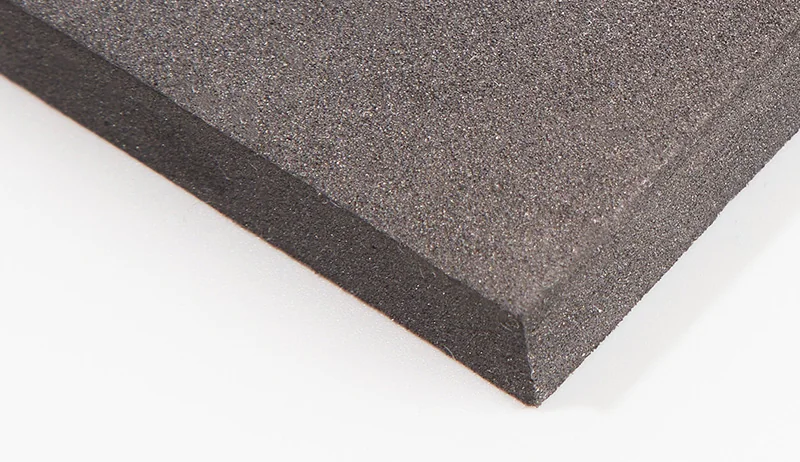
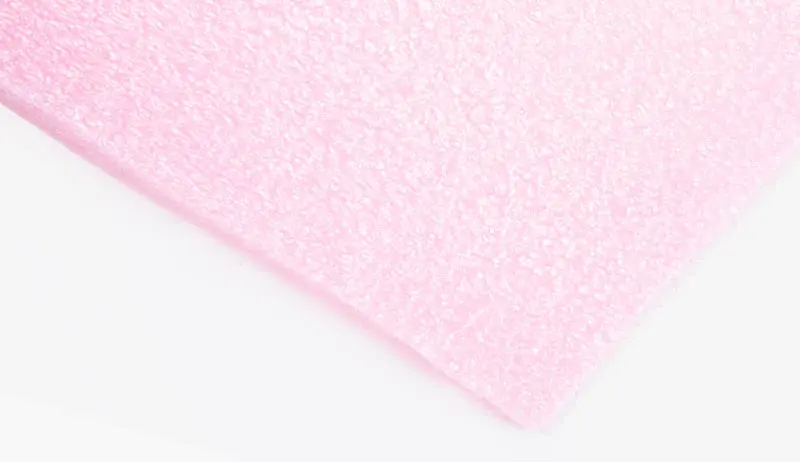
Ask for the proposed material type and relevant properties, then review the cavity fit with the product. Special requirements, such as electrostatic protection, need to be explicitly specified and supported.
Check the assembled pack with the real product or an agreed equivalent. Assess movement, clearance and ease of removal, and confirm the sample or validation needed for the intended handling conditions.
Include the requested quantity, artwork status and delivery destination. Confirm available materials, sample requirements, pricing and timing in the written quotation.
Review them together. The product layout determines useful cavity space, while the outer box limits the finished insert dimensions and affects how the pack is assembled.